Running costs
Toyota RAV4 running costs: what UK ownership really costs
Toyota RAV4 UK running costs: fuel or electric, insurance group, road tax, servicing and depreciation.
Updated 16th October 2026 DVSA data: Across 130,784 recorded MOT tests, 17.8% failed.
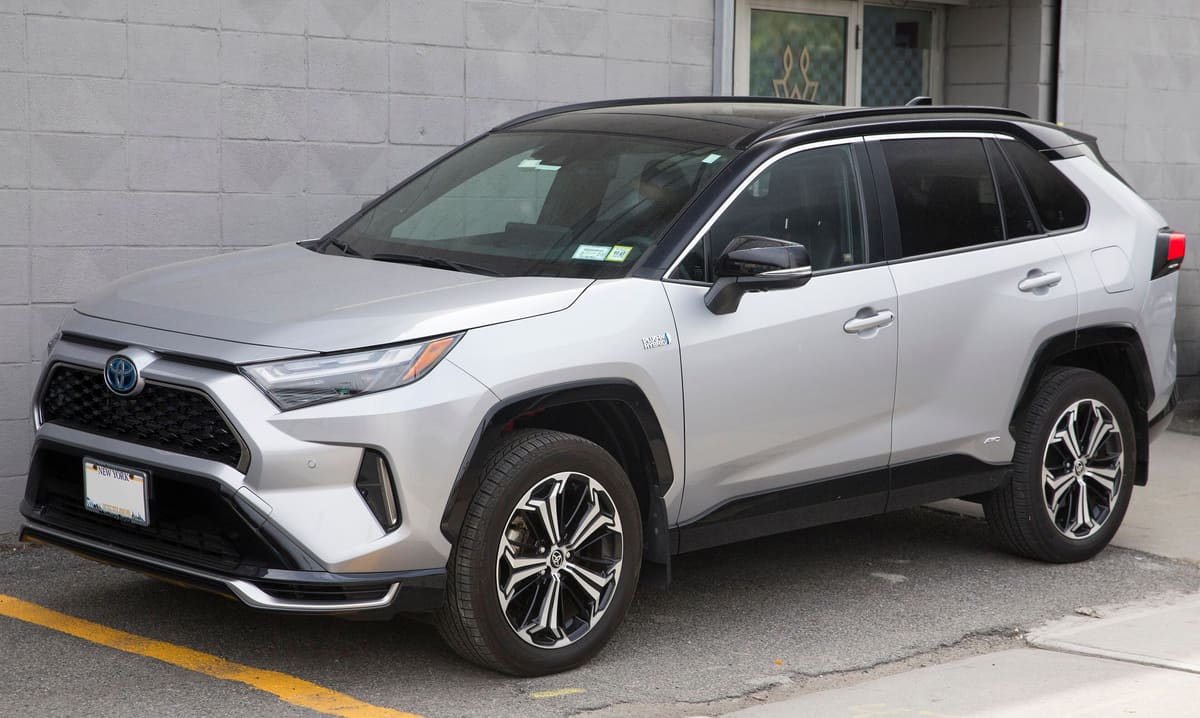
The Toyota RAV4’s running costs are influenced by factors such as its taxation category, insurance group, servicing demands, and depreciation. Its hybrid variants typically benefit from lower tax rates and insurance groups, while servicing is straightforward but can be pricier than smaller cars. The RAV4 tends to hold value well, partly due to Toyota’s reputation for reliability and strong demand in the SUV market.
Vehicle Tax and How It Affects Running Costs
The cost of vehicle tax for the Toyota RAV4 depends largely on the type of powertrain and its emissions profile. Petrol and hybrid models are treated differently under the UK’s Vehicle Excise Duty (VED) system, which bases tax rates on CO2 emissions and fuel type. Hybrid variants often attract lower tax rates due to their reduced emissions compared to conventional petrol engines.
For the latest tax bands and rates, the government’s official website provides detailed guidance. Buyers should always check the specific tax band for the exact RAV4 trim they are considering, as emissions can vary between models and years. Lower tax rates can significantly reduce the annual cost of ownership, especially for drivers who cover moderate mileage.
Additionally, the RAV4’s eligibility for any zero or reduced-rate tax periods depends on its fuel type and emissions standards. This makes it important to verify whether the model qualifies for any exemptions or discounts, which can influence the overall running cost.
Insurance Group and Its Impact on Premiums
Insurance premiums for the Toyota RAV4 are influenced by its assigned insurance group, which reflects factors such as repair costs, vehicle value, performance, and safety features. The RAV4 generally falls into mid-range insurance groups, but this can vary depending on the engine size, trim level, and security equipment fitted.
Higher-powered or sportier trims tend to be placed in higher insurance groups, increasing the cost of premiums. Conversely, models with advanced safety features and lower performance figures may benefit from lower premiums. The RAV4’s reputation for reliability and safety can also positively affect insurance costs.
Drivers should obtain personalised insurance quotes to understand the exact premium they might face, as factors like age, location, and driving history also play a significant role. Comparing quotes from multiple insurers is advisable to find the best deal for the specific RAV4 variant.
Servicing Requirements and Associated Costs
Servicing the Toyota RAV4 involves routine maintenance tasks such as oil changes, brake inspections, and filter replacements. The complexity of servicing depends on the engine type; hybrid models may require additional checks related to the electric drivetrain and battery system, which can add to the cost.
Toyota’s recommended service intervals are designed to balance reliability with cost-effectiveness, but servicing an SUV like the RAV4 is generally more expensive than a smaller car due to larger components and more complex systems. Genuine parts and specialist labour can also influence the overall service bill.
Owners should follow the manufacturer’s service schedule to maintain warranty coverage and ensure the vehicle runs efficiently. Regular servicing helps prevent costly repairs down the line and supports better fuel economy, indirectly reducing running costs.
Fuel Economy and Its Role in Running Costs
Fuel consumption is a key factor in the RAV4’s running costs, influenced by engine type, driving style, and conditions. Hybrid versions typically offer better fuel economy than petrol-only models, especially in urban or stop-start traffic, due to their ability to run on electric power at low speeds.
The RAV4’s size and weight mean it generally consumes more fuel than smaller hatchbacks or saloons, but its efficient hybrid technology helps mitigate this. Drivers should consider their typical driving patterns when choosing between petrol and hybrid variants to optimise fuel costs.
Fuel prices fluctuate and can significantly impact the cost of running any vehicle. Keeping tyres properly inflated, avoiding aggressive acceleration, and adhering to regular servicing can improve fuel efficiency and reduce expenditure.
Depreciation and Residual Value
The Toyota RAV4 tends to hold its value well compared to many other SUVs, thanks to Toyota’s strong brand reputation, reliability, and the ongoing popularity of compact SUVs. Depreciation rates vary by model year, trim, and market demand, but the RAV4’s desirability helps maintain a good resale price.
Hybrid models often retain value better due to increasing demand for more fuel-efficient vehicles and tighter emissions regulations. Well-maintained examples with full service history and low mileage command higher prices on the used market.
Factors such as the condition of the vehicle, mileage, and any optional extras also influence depreciation. Buyers should consider the total cost of ownership over several years, including depreciation, to understand the true running cost of a RAV4.
Tyres, Brakes, and Other Consumables
The cost of replacing consumables like tyres and brakes contributes to the RAV4’s running costs. Being an SUV, it typically uses larger tyres than smaller cars, which can be more expensive to replace. Tyre wear depends on driving style, road conditions, and tyre quality.
Brake components on the RAV4 are designed to handle its weight and performance, and hybrid models benefit from regenerative braking that can reduce brake wear. However, replacement parts and labour for an SUV can be pricier than for smaller vehicles.
Regular checks and maintenance of these consumables help maintain safety and performance, while also preventing more costly repairs. Choosing quality parts and reputable garages can ensure longevity and value for money.
Toyota RAV4 recall record
25 recalls have been issued for the Toyota RAV4, between 2006 and 2025.
Parking Assist ECU reprogram on multiple models
R/2025/466Issued 1 December 2025
For certain vehicles equipped with a Parking Assist ECU a component of the Panoramic View Monitor (PVM) system that displays the rear view image the software may cause the rear view image to freeze or not display
Remedy:Reprogram the parking assist ECU.
Affects cars built Oct 2022 to Jun 2025
Combination Meter Reprogramming on Multiple Models
R/2025/270Issued 24 November 2025
For certain vehicles equipped with the combination meter system (where various information is displayed) that due to an improper programming of the combination meter unnecessarily repetitive data is written to a memory device. This may cause the memory device to deteriorate and the monitor to not display during the meter at start up and remain in this state permanently.
Remedy:Reprogram or replace the combination meter.
Affects cars built Jan 2022 to Feb 2025
On affected vehicles there is a possibility that the DCM may not complete the shutdown process within a specific period of time when the ignition is turned off causing the DCM to not restart at the next ignition cycle and making the e-Call function unavailable. As a result the vehicles do not comply with relevant regulations.
R/2023/279Issued 12 October 2023
On affected vehicles there is a possibility that the DCM may not complete the shutdown process within a specific period of time when the ignition is turned off causing the DCM to not restart at the next ignition cycle and making the e-Call function unavailable. As a result the vehicles do not comply with relevant regulations.
Remedy:The software of the DCM (Data Communication Module) will be updated via an Over the Air (OTA) wireless update.
Affects cars built Jan 2023 to Jul 2023
DC-DC converter may have been damaged during production
R/2023/206Issued 21 August 2023
The plug-in hybrid system of the subject vehicles includes a DC-DC converter that reduces the voltage of the electricity from the Hybrid Vehicle (HV) battery in order to charge the vehicle�s 12V battery. Contained within the DC-DC converter is a current rectifying module that is installed on the circuit board. Some of these modules may have been damaged during production by the supplier and could fail so creating a short circuit. This allows current from the 12V battery to continue to flow through the module and the module will generate heat. Under certain conditions if excessive heat is generated components within and outside the DC-DC converter could sustain thermal damage increasing the risk of a vehicle fire.
Remedy:Replace the DC-DC Converter.
Affects cars built Jul 2020 to May 2022
21 older recalls not shown.
A recall applies to a build range, not to every car of this model. Check a registration to see whether one specific vehicle has an outstanding recall.
Toyota RAV4 MOT record
From 130,784 recorded MOT tests, 17.8% failed.
| Registered | Tests | Failed | Median mileage |
|---|---|---|---|
| 2023 | 242 | 1.7% | 25,020 mi |
| 2022 | 10,110 | 3.7% | 27,150 mi |
| 2021 | 12,089 | 5.4% | 34,399 mi |
| 2020 | 11,475 | 5.7% | 42,031 mi |
| 2019 | 8,772 | 6.5% | 48,115 mi |
| 2018 | 7,277 | 13.3% | 52,734 mi |
| 2017 | 7,779 | 13.9% | 63,324 mi |
| 2016 | 7,583 | 15.0% | 71,110 mi |
Most common reasons for failure
- A suspension pin, bush or joint excessively worn27.7%
- Tyre tread depth not in accordance with the requirements24.7%
- A tyre seriously damaged18.7%
- A suspension component excessively damaged or corroded15.4%
- Brake disc or drum excessively weakened, insecure or fractured13.5%
Figures cover every Toyota RAV4 tested in the DVSA dataset, not this specific car. Check a registration for the actual history of one vehicle.
Toyota RAV4 official figures
Median across 12 variants on sale, electricity / petrol.
- Combined economy
- 49.6 mpg
- WLTP median across variants
- CO2 emissions
- 130 g/km
- Sets the first-year tax rate
- Electric range
- 47 miles
- Manufacturer WLTP figure
Official figures for new cars. Real economy varies with driving, load and conditions.
Frequently asked questions
How often should I service the Toyota RAV4 to keep running costs low?
Toyota recommends servicing the RAV4 at regular intervals, typically involving an oil and filter change, brake fluid check, and inspection of the hybrid battery system if applicable. Keeping up with these checks helps avoid costly repairs to components like the inverter coolant pump or brake actuators.
What are the typical maintenance jobs for the Toyota RAV4 hybrid model?
The hybrid RAV4 requires attention to the hybrid battery cooling system and inverter coolant levels. Regular checks of the regenerative braking system and replacement of the engine air filter are also important. Watch for warning lights related to the hybrid system, which should prompt a diagnostic check.
Does the Toyota RAV4 have any specific parts that wear out faster than others?
Owners should keep an eye on the CVT transmission fluid condition, as neglect can lead to premature wear. Brake pads tend to last longer due to regenerative braking but still need periodic inspection. The suspension bushes may also show wear depending on road conditions.
How can I check if the Toyota RAV4’s hybrid battery is in good condition?
A simple way is to monitor the dashboard for any hybrid system warning lights and listen for unusual noises from the inverter area. During a test drive, observe if the electric motor engages smoothly without hesitation. A garage can perform a battery health diagnostic using specialised Toyota equipment.
Are there any common warning lights I should watch for on the Toyota RAV4?
The hybrid system warning light and the brake system warning light are important indicators. If the hybrid warning light appears, it could signal issues with the battery or inverter. The brake warning light might indicate problems with the regenerative braking system or brake fluid levels.
What routine checks can help reduce unexpected repair costs on a Toyota RAV4?
Regularly inspect tyre condition and pressures, as uneven wear can affect fuel efficiency and suspension parts. Check the engine oil level and quality, especially if the vehicle is used for short trips. Also, listen for any unusual sounds from the CVT transmission during acceleration.
Is the Toyota RAV4 expensive to insure compared to other SUVs?
Insurance costs depend on the specific trim and engine type, but the RAV4’s safety features like multiple airbags and stability control often help keep premiums reasonable. It is advisable to get quotes based on your personal details and chosen model to understand the exact insurance cost.
What should I know about the Toyota RAV4’s fuel system maintenance?
For petrol and hybrid versions, the fuel injectors and fuel filter need periodic checks to ensure efficient running. Hybrid models also rely on the petrol engine’s fuel system to support the electric motor, so keeping these components clean helps maintain overall performance and reduces running costs.
Sources
- DVSA anonymised MOT tests and results (Open Government Licence v3.0)
- VCA new car fuel consumption and emissions data (Open Government Licence v3.0)
- DVSA vehicle safety recalls (Open Government Licence v3.0)