Running costs
Tesla Model X running costs: what UK ownership really costs
Tesla Model X UK running costs: fuel or electric, insurance group, road tax, servicing and depreciation.
Updated 19th October 2026 DVSA data: Across 6,063 recorded MOT tests, 19.7% failed.
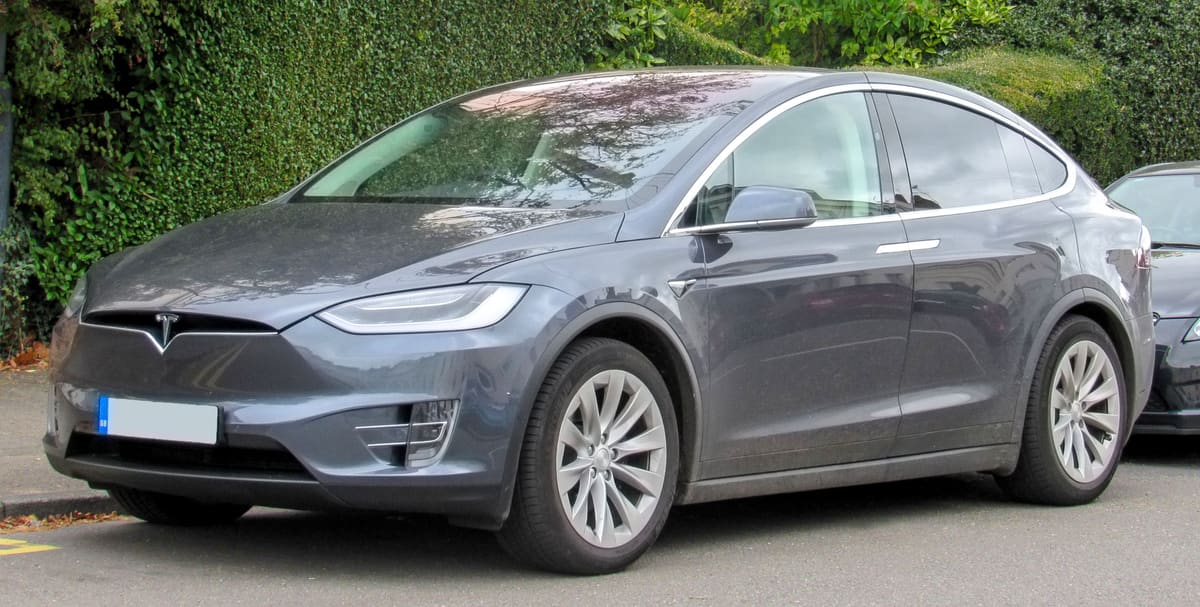
The Tesla Model X’s running costs are shaped by its electric powertrain, tax incentives, insurance grouping, servicing needs, and residual values. Electric vehicles benefit from lower fuel and maintenance costs but may face higher insurance premiums due to repair complexity. Tax advantages and strong resale values help offset some expenses, making it competitive with luxury SUVs in overall ownership costs.
How the UK Tax System Affects Tesla Model X Running Costs
The UK government’s tax framework offers significant benefits for electric vehicles like the Tesla Model X, which can reduce overall running costs compared to petrol or diesel alternatives. Since the Model X produces no tailpipe emissions, it qualifies for zero or reduced road tax rates, depending on the year of registration and specific tax rules in place.
Vehicle Excise Duty (VED), commonly known as road tax, is typically lower or even zero for fully electric cars. This means owners pay less annually compared to combustion-engine vehicles. Additionally, electric cars are often exempt from congestion charges and low emission zone fees in certain cities, further reducing daily running costs.
However, it is important to check the latest government guidance on gov.uk, as tax policies can evolve. Some incentives may phase out over time or change based on new environmental targets. Understanding the current tax treatment helps owners anticipate ongoing costs accurately.
Insurance Group and Its Impact on Running Costs
Insurance premiums for the Tesla Model X tend to be influenced by its classification within insurance groups, which consider factors such as vehicle value, repair costs, and safety features. The Model X’s advanced technology and high replacement parts cost can push it into a higher insurance group, increasing premiums.
The car’s safety record and driver assistance systems may help moderate insurance costs by reducing the likelihood of accidents. However, the specialised nature of repairs, including battery and electronic components, can make insurance claims more expensive, which insurers factor into premiums.
Prospective owners should obtain personalised insurance quotes to understand how their circumstances affect costs. Factors like driving history, location, and annual mileage also play a significant role. Comparing quotes from multiple providers is advisable to find the best deal.
Servicing and Maintenance Demands of the Tesla Model X
Electric vehicles like the Tesla Model X generally require less routine maintenance than internal combustion engine cars, which can lower servicing costs. The absence of an engine oil system, fewer moving parts, and regenerative braking reduce wear on components such as brake pads.
Scheduled servicing focuses on checks of the battery health, electric motor, suspension, tyres, and software updates. Tesla’s over-the-air updates can fix software issues remotely, potentially reducing visits to service centres. However, when physical servicing or repairs are needed, specialised technicians and parts can increase costs.
Battery longevity is a key consideration. While Tesla batteries are designed to last many years, eventual replacement or repair can be costly. Regular software updates and careful charging habits help maintain battery health and performance over time.
Fuel and Energy Costs Compared to Conventional SUVs
Running costs for the Tesla Model X benefit from electricity being generally cheaper than petrol or diesel on a per-mile basis. Charging at home overnight during off-peak hours can further reduce energy expenses. Public charging costs vary depending on the network and location, so usage patterns influence overall costs.
Electric vehicles do not require traditional fuel, eliminating the volatility of petrol and diesel prices from ownership considerations. This can make budgeting more predictable. However, the availability and speed of charging infrastructure may affect convenience and costs, especially for longer journeys.
Owners should consider their typical driving habits and access to charging points when evaluating energy costs. Home charging setups involve an upfront investment but can offer the most economical option for daily use.
Residual Values and Depreciation Trends
The Tesla Model X tends to hold its value relatively well compared to many other luxury SUVs, partly due to strong demand for electric vehicles and Tesla’s brand reputation. Residual values are influenced by factors such as battery condition, software updates, and market trends towards electrification.
Depreciation rates can vary depending on the model year, trim level, and mileage. As electric vehicle technology advances, older models may face increased depreciation if newer versions offer significantly improved range or features. Nonetheless, the Model X’s unique combination of performance and technology helps maintain buyer interest in the used market.
Potential buyers should research recent sales and valuations for the specific Model X variant they are interested in. Keeping the car well-maintained and up to date with software can help preserve its resale value over time.
Tesla Model X recall record
8 recalls have been issued for the Tesla Model X, between 2017 and 2025.
Loss of Rearview Camera Display Recall
R/2025/049Issued 28 March 2025
On a small percentage of affected vehicles upon vehicle power up the car computer board may experience a short resulting in the loss of rear view camera functionality .
Remedy:Over the air software update or Car Computer replacement if necessary.
Affects cars built Jun 2024 to Jun 2024
Update Vehicle Firmware To Restore Post-Crash eCall Functionality
R/2025/075Issued 7 March 2025
On affected vehicles the eCall audio system will not operate in compliance with Regulations when the front passenger seat is occupied. As a result communications between the occupants of the vehicle and an eCall public safety answer point are unavailable post-crash.
Remedy:Install modified software via an Over the Air (OTA) wireless update.
Affects cars built Feb 2023 to Jul 2024
A first-row seat belt was disconnected from its pretensioner anchor as part of a necessary step to perform a repair during a service visit. After the repair was completed on certain affected vehicles the first-row seat belt may not have been reconnected to its pretensioner anchor to specification.
R/2023/350Issued 15 December 2023
A first-row seat belt was disconnected from its pretensioner anchor as part of a necessary step to perform a repair during a service visit. After the repair was completed on certain affected vehicles the first-row seat belt may not have been reconnected to its pretensioner anchor to specification.
Remedy:Inspect and re-install.
Affects cars built Mar 2023 to Mar 2023
On certain MY 2021-2023 Model X vehicles the vehicle controller that detects the sensor voltage that indicates brake fluid level may not have a sufficient threshold range at low fluid levels. A vehicle controller that does not correctly indicate low brake fluid levels to the customer
R/2023/351Issued 15 December 2023
On certain MY 2021-2023 Model X vehicles the vehicle controller that detects the sensor voltage that indicates brake fluid level may not have a sufficient threshold range at low fluid levels. A vehicle controller that does not correctly indicate low brake fluid levels to the customer
Remedy:Owners of affected vehicles only need to install OTA (over the air) software release 2023.32.7 or a later software release No service visit is necessary
Affects cars built Feb 2021 to Sept 2023
4 older recalls not shown.
A recall applies to a build range, not to every car of this model. Check a registration to see whether one specific vehicle has an outstanding recall.
Tesla Model X MOT record
From 6,063 recorded MOT tests, 19.7% failed.
| Registered | Tests | Failed | Median mileage |
|---|---|---|---|
| 2020 | 1,437 | 19.4% | 49,270 mi |
| 2019 | 1,201 | 19.6% | 55,682 mi |
| 2018 | 1,409 | 18.9% | 64,532 mi |
| 2017 | 2,016 | 20.5% | 73,435 mi |
Most common reasons for failure
- Tyre tread depth not in accordance with the requirements36.6%
- A tyre cords visible or damaged19.1%
- A suspension pin, bush or joint excessively worn18.4%
- A tyre seriously damaged15.6%
- a brake lining or pad worn below 1.5mm10.3%
Figures cover every Tesla Model X tested in the DVSA dataset, not this specific car. Check a registration for the actual history of one vehicle.
Tesla Model X official figures
Median across 2 variants on sale, electricity.
- Electric range
- 347.5 miles
- Manufacturer WLTP figure
Official figures for new cars. Real economy varies with driving, load and conditions.
Frequently asked questions
How often does the Tesla Model X need its battery coolant replaced?
Tesla recommends checking the battery coolant system regularly, as it helps maintain battery temperature. A typical sign of coolant issues is the battery overheating warning light on the dashboard. A garage can perform a coolant flush and refill to keep the system working efficiently.
What should I expect in terms of brake wear on a Tesla Model X?
Thanks to regenerative braking, the Model X’s brake pads usually last longer than on conventional cars. However, you should still inspect the brake discs and pads during routine servicing to check for uneven wear or corrosion, especially if you drive in hilly areas.
Are there any specific tyre considerations for the Tesla Model X?
The Model X is a heavy SUV, so it uses tyres designed for high load capacity. Regularly check the tyre pressure and look for uneven wear patterns, which can indicate alignment issues. Tyre replacement is a typical maintenance item due to the vehicle’s weight and torque.
Does the Tesla Model X require regular oil changes?
Unlike petrol or diesel vehicles, the Model X does not need engine oil changes because it has an electric motor. However, other fluids like the gearbox oil and coolant should be checked as part of scheduled maintenance to ensure smooth operation.
What are the signs that the Tesla Model X’s 12V battery needs attention?
The 12V battery powers auxiliary systems and can show symptoms like warning messages on the touchscreen or difficulty starting certain electronics. A garage can test the battery’s voltage and replace it if it no longer holds a charge properly.
How does charging affect the running costs of a Tesla Model X?
Charging at home using a dedicated wall charger is generally more efficient and convenient. Frequent use of rapid public chargers can cause the battery management system to limit charging speed to protect battery health, which may affect long-term running costs.
Are there any maintenance checks specific to the Tesla Model X’s air suspension?
The Model X features an adaptive air suspension system that adjusts ride height. Listen for unusual noises or uneven ride height, which can indicate leaks or compressor issues. A garage can inspect the air springs and compressor to diagnose and repair faults.
What should I look out for regarding software updates and their impact on running costs?
Tesla regularly releases over-the-air software updates that can improve efficiency and add features. It is important to keep the vehicle’s software up to date via Wi-Fi to benefit from optimisations that may reduce energy consumption and improve battery management.
Sources
- DVSA anonymised MOT tests and results (Open Government Licence v3.0)
- VCA new car fuel consumption and emissions data (Open Government Licence v3.0)
- DVSA vehicle safety recalls (Open Government Licence v3.0)