Running costs
Suzuki S-Cross running costs: what UK ownership really costs
Suzuki S-Cross UK running costs: fuel or electric, insurance group, road tax, servicing and depreciation.
Updated 11th October 2026 DVSA data: Across 290 recorded MOT tests, 3.1% failed.
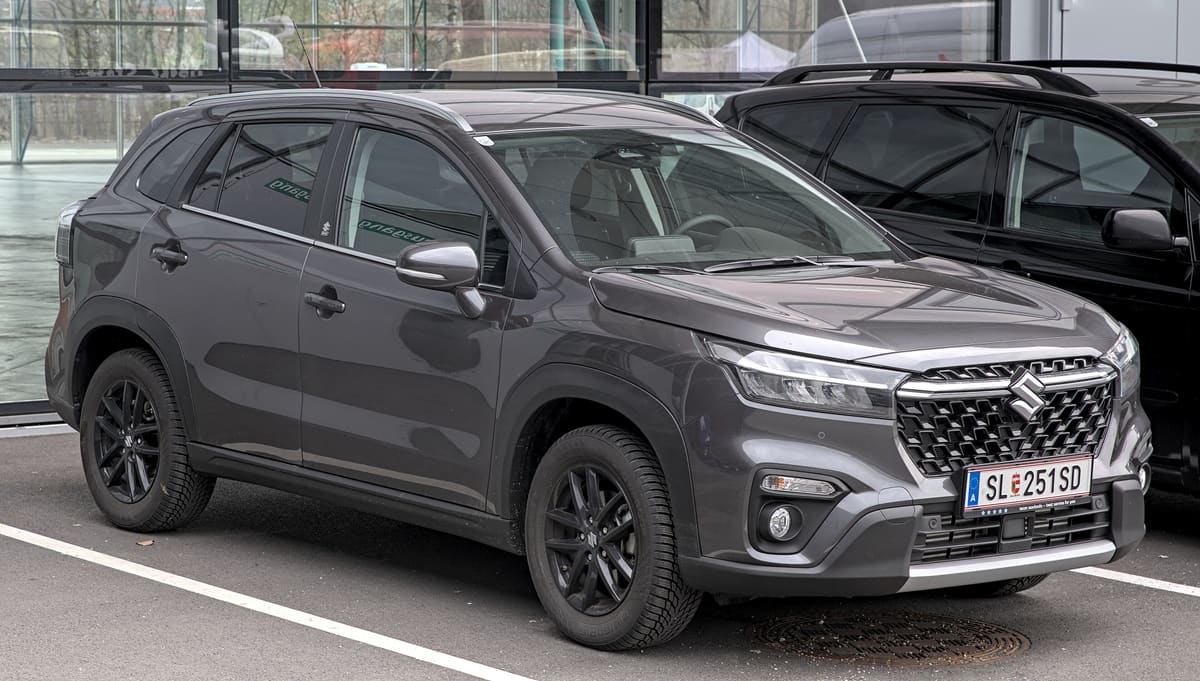
The Suzuki S-Cross generally offers reasonable running costs, balancing moderate taxation, insurance premiums influenced by model specifics, manageable servicing demands, and decent residual values. Its costs are shaped by engine size, emissions, and trim level, so understanding these factors helps owners anticipate ongoing expenses and compare the S-Cross fairly with similar compact SUVs.
Vehicle Taxation and Its Impact on Running Costs
The amount of vehicle tax you pay on a Suzuki S-Cross depends primarily on its CO2 emissions and fuel type. Petrol and diesel engines are taxed differently, with diesel models often subject to additional surcharges if they do not meet strict emissions standards. The government’s vehicle tax system encourages lower emissions, so choosing a model with a smaller engine or mild-hybrid technology can reduce your annual tax bill.
Tax bands are set by the vehicle’s official emissions figures, which vary by engine and trim. Higher-emission variants attract higher rates, increasing running costs. It is important to check the exact tax band for the specific S-Cross trim you are considering, as this can differ significantly. For the most accurate and up-to-date tax information, the official government website provides a tool where you can enter the vehicle registration to see the exact tax rate.
The tax system’s structure means that while the S-Cross is not the cheapest car to tax in its segment, it is not among the most expensive either. Buyers mindful of running costs will want to avoid higher-emission engines or trims that push the car into a higher tax bracket.
Insurance Groups and What Affects Premiums
Insurance costs for the Suzuki S-Cross are influenced by its assigned insurance group, which reflects factors such as engine size, repair costs, safety features, and theft risk. Generally, smaller engines and models with more safety equipment fall into lower insurance groups, helping to keep premiums down.
Trim levels with more powerful engines or sporty styling tend to be in higher insurance groups, increasing the cost to insure. Additionally, the S-Cross’s compact SUV body style may attract moderate premiums compared to smaller hatchbacks, as repair costs and accident risk assessments differ.
When obtaining insurance quotes, it is advisable to provide the exact trim and engine details, as insurers calculate premiums based on these specifics. The government’s insurance group rating tool can give a general idea of where the S-Cross sits, but quotes from insurers will reflect personal factors such as your location, driving history, and annual mileage.
Overall, the S-Cross’s insurance costs are competitive within its class, but buyers should be aware that opting for higher trims or larger engines will push premiums higher.
Servicing and Maintenance Demands
The Suzuki S-Cross is designed with relatively straightforward servicing requirements, which helps keep maintenance costs manageable. Routine servicing intervals are typically standard for the segment, involving oil changes, brake checks, and inspections of key components.
The engine and drivetrain are generally reliable, with no known unusually expensive parts or frequent issues reported. However, the cost of servicing can vary depending on whether you use a main dealer or an independent garage, with independents usually offering more affordable labour rates.
Some trims may feature additional technology such as mild-hybrid systems or advanced driver aids, which could slightly increase servicing complexity and cost. It is advisable to follow the manufacturer’s recommended service schedule to maintain warranty coverage and ensure the vehicle’s longevity.
Tyre replacement and brake wear are typical for a compact SUV and should be budgeted for accordingly. Overall, the S-Cross does not demand excessive maintenance, making it a practical choice for those concerned about ongoing running costs.
Fuel Economy and Its Role in Running Costs
Fuel consumption is a significant factor in the overall cost of running any car, including the Suzuki S-Cross. Its fuel economy varies depending on the engine size, transmission type, and whether the model is petrol or diesel. Mild-hybrid variants may offer improved efficiency, especially in urban driving conditions.
Driving style and conditions also impact fuel use; steady motorway driving typically yields better economy than stop-start city journeys. Choosing a model with a smaller engine or manual transmission can help reduce fuel expenses.
While exact fuel economy figures vary by trim and driving habits, the S-Cross generally performs competitively within the compact SUV segment. Prospective buyers should review official fuel consumption data for the specific model they are interested in and consider their typical driving patterns to estimate fuel costs accurately.
Residual Values and Depreciation
The Suzuki S-Cross tends to hold its value reasonably well compared to other vehicles in its class. Residual value depends on factors such as brand reputation, reliability, demand in the used car market, and how well the car has been maintained.
Suzuki’s reputation for reliability supports stronger resale values, and the S-Cross’s practical size and versatility make it appealing to a broad range of buyers. Models with popular trims and efficient engines tend to retain value better, while less common variants or those with higher running costs may depreciate faster.
Regular servicing and keeping the car in good condition will help maintain its value. Additionally, choosing a trim with desirable features and moderate running costs can make the vehicle more attractive to future buyers.
Understanding the expected depreciation can help buyers assess the total cost of ownership and decide if the S-Cross fits their financial plans over the medium to long term.
Suzuki S-Cross recall record
3 recalls have been issued for the Suzuki S-Cross, between 2022 and 2025.
Canister Replacement
R/2025/127Issued 16 April 2025
On affected vehicles the EVAP Carbon canister should be filled with activated carbon however an air gap may develop on the inside during use which may degrade its performance. There is a risk that fuel evaporation gas will leak into the atmosphere resulting in non-compliance with regulations.
Remedy:Replace the EVAP Carbon cannister.
Affects cars built Oct 2019 to Dec 2019
Left Rear Brake Pipe Inspection
R/2024/032Issued 14 February 2024
On affected vehicles there is a possibility that the left rear brake pipe was damaged during the tightening process.
Remedy:Check the left rear brake pipe and replace if damaged.
Affects cars built Sept 2023 to Oct 2023
Some vehicles have an inappropriate design and material on check valve of vacuum pump
R/2022/267Issued 1 December 2022
Some vehicles have an inappropriate design and material on the check valve of brake vacuum pump.
Remedy:Replace the vacuum pump check valve.
Affects cars built Jul 2016 to Feb 2022
A recall applies to a build range, not to every car of this model. Check a registration to see whether one specific vehicle has an outstanding recall.
Suzuki S-Cross MOT record
From 290 recorded MOT tests, 3.1% failed.
| Registered | Tests | Failed | Median mileage |
|---|---|---|---|
| 2022 | 290 | 3.1% | 19,812 mi |
Figures cover every Suzuki S-Cross tested in the DVSA dataset, not this specific car. Check a registration for the actual history of one vehicle.
Suzuki S-Cross official figures
Median across 10 variants on sale, petrol electric.
- Combined economy
- 49.5 mpg
- WLTP median across variants
- CO2 emissions
- 131 g/km
- Sets the first-year tax rate
Official figures for new cars. Real economy varies with driving, load and conditions.
Frequently asked questions
How expensive is servicing a Suzuki S-Cross?
Servicing typically involves oil and filter changes, air filter replacement, and brake fluid checks. The timing belt or chain should be inspected at recommended intervals to avoid engine damage. Regular servicing at a Suzuki specialist can help keep running costs manageable.
What should I check to avoid costly repairs on a Suzuki S-Cross?
Keep an eye on the engine warning light and listen for unusual noises from the turbocharger if your model has one. Regularly check tyre wear and brake pads, as these are common wear items that can increase running costs if neglected.
Are parts for the Suzuki S-Cross readily available in the UK?
Yes, Suzuki parts such as brake discs, suspension components, and exhaust parts are generally easy to source through authorised dealers and independent garages. Availability helps reduce downtime and can keep repair costs lower.
Does the Suzuki S-Cross have any known fuel system maintenance needs?
Fuel injectors and the fuel filter should be inspected periodically to maintain efficient running. A clogged fuel filter can cause rough idling or poor acceleration, which might increase fuel consumption and running costs.
How often do I need to replace the brake pads on a Suzuki S-Cross?
Brake pad wear varies with driving style, but checking them every 10,000 miles is sensible. Worn pads trigger a squealing noise or reduced braking performance, signalling it’s time for replacement to avoid damage to the brake discs.
What impact does the Suzuki S-Cross’s tyre choice have on running costs?
Choosing tyres suited to UK roads and weather conditions can improve fuel efficiency and longevity. Regularly checking tyre pressure and tread depth helps prevent uneven wear, which can otherwise lead to premature replacement and higher costs.
Are there any electrical components on the Suzuki S-Cross that affect running costs?
The battery and alternator are key electrical parts to monitor. A failing battery may cause warning lights on the dashboard and difficulty starting the engine, while alternator issues can lead to electrical faults and require diagnostic checks.
What should I know about the Suzuki S-Cross’s warranty and its effect on running costs?
The manufacturer’s warranty covers certain repairs and replacements for a set period, which can reduce unexpected expenses. It’s important to follow the service schedule and keep records to ensure warranty validity and avoid voiding coverage.
Sources
- DVSA anonymised MOT tests and results (Open Government Licence v3.0)
- VCA new car fuel consumption and emissions data (Open Government Licence v3.0)
- DVSA vehicle safety recalls (Open Government Licence v3.0)