Running costs
Subaru Impreza running costs: what UK ownership really costs
Subaru Impreza UK running costs: fuel or electric, insurance group, road tax, servicing and depreciation.
Updated 18th October 2026 DVSA data: Across 15,306 recorded MOT tests, 20.7% failed.
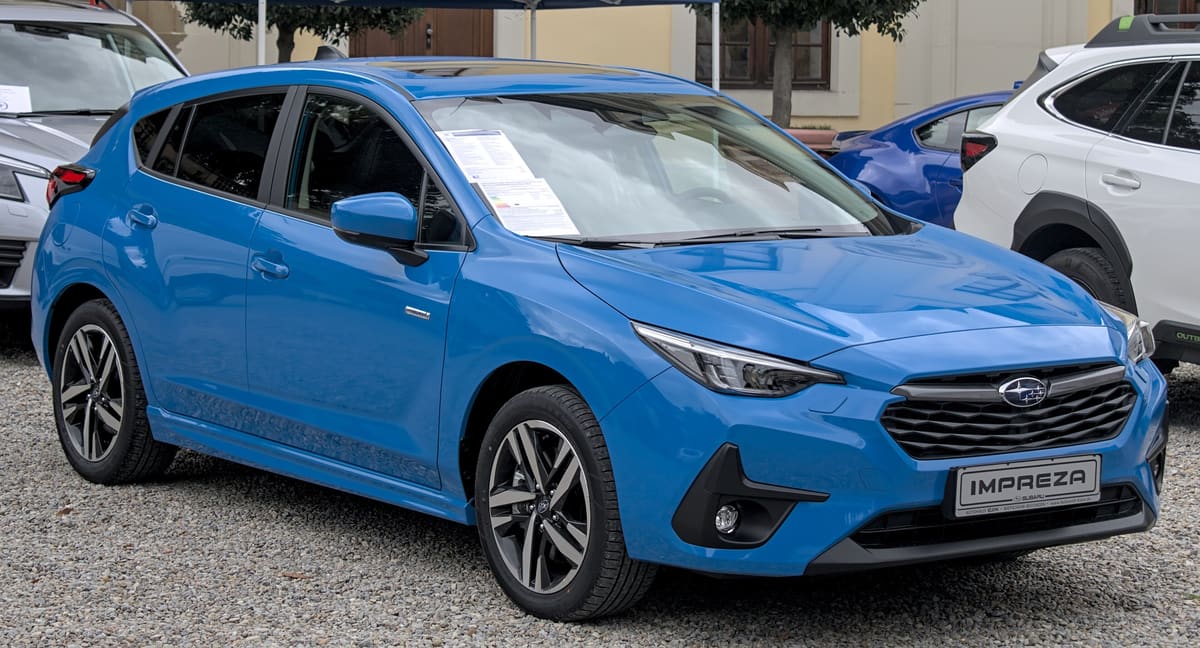
The Subaru Impreza’s running costs are influenced by its all-wheel-drive system, engine options, and trim levels, which affect tax, insurance, servicing, and depreciation. Its tax treatment depends on emissions and fuel type, insurance groups reflect its performance and repair costs, servicing is more involved than simpler front-wheel-drive cars, and its value retention varies with condition and market demand.
Vehicle Tax and Its Impact on Running Costs
The cost of vehicle tax for the Subaru Impreza depends primarily on its engine emissions and fuel type. Petrol and diesel versions are taxed differently, with the government’s system linking annual tax rates to the amount of CO2 emitted. Lower-emission models attract less tax, while higher-output engines or older models with higher emissions will cost more to tax.
Because the Impreza has traditionally offered all-wheel drive and some performance-oriented engines, certain variants may fall into higher tax bands. Buyers should consult the official government vehicle tax tool to check the exact rate for the specific model and year they are interested in. This ensures they understand the ongoing annual cost before purchase.
Additionally, some newer Impreza models may benefit from reduced or zero tax rates if they meet particular environmental standards or are hybrid variants. However, these are less common and will vary by trim and market availability.
Insurance Group Factors for the Subaru Impreza
Insurance premiums for the Impreza are influenced by its assigned insurance group, which is determined by factors such as engine size, performance, repair costs, and safety features. Sportier versions with more powerful engines and all-wheel drive tend to be placed in higher insurance groups, leading to increased premiums.
The cost to insure also depends on the driver’s profile, location, and claims history, but the car’s insurance group provides a baseline indicator of risk and potential repair expense. The Impreza’s reputation for reliability and safety can help moderate insurance costs compared to other performance-oriented cars, but the all-wheel-drive system and turbocharged engines can push the group higher.
Prospective buyers should obtain insurance quotes tailored to their circumstances and the exact model specification. Insurance comparison websites can provide personalised estimates, reflecting how the Impreza’s features and performance affect premiums.
Servicing and Maintenance Demands
Servicing a Subaru Impreza tends to be more involved than servicing a typical front-wheel-drive hatchback due to its all-wheel-drive system and boxer engine layout. Routine maintenance includes oil changes, brake checks, and fluid top-ups, but the AWD system requires additional attention to components like differentials and transfer cases.
The boxer engine’s horizontally opposed cylinders can make some maintenance tasks more complex, potentially increasing labour time and cost. However, Subaru engines are known for durability when properly maintained, so regular servicing according to the manufacturer’s schedule helps avoid costly repairs.
Parts availability and dealer network coverage also influence servicing costs. Subaru’s presence in the UK is established but more limited than mainstream brands, which might affect pricing and convenience. Independent garages familiar with Subaru models can offer competitive servicing options.
Fuel Economy and Running Costs
Fuel consumption is a significant factor in the Impreza’s running costs. Its all-wheel-drive system and engine choices generally mean it uses more fuel than comparable front-wheel-drive hatchbacks. Turbocharged variants, while offering better performance, tend to consume more fuel under spirited driving.
Drivers who prioritise economy may prefer naturally aspirated engines or smaller trims, which typically deliver better fuel efficiency. However, real-world consumption varies with driving style, road conditions, and load.
To manage fuel costs, it is advisable to check the specific engine and trim’s official fuel economy figures and consider how the car will be used daily. The Impreza’s ruggedness and AWD capability make it suitable for varied conditions, but this comes with a fuel cost premium compared to lighter, simpler cars.
Depreciation and Residual Value
The Subaru Impreza’s value retention depends on factors such as condition, mileage, trim level, and market demand. Its reputation for reliability and all-wheel-drive capability can help maintain interest among buyers looking for a durable compact car with added traction.
However, depreciation can be influenced by the niche appeal of the Impreza in the UK market. It is less common than mainstream hatchbacks, which may limit the pool of potential buyers and affect resale prices. Special editions or performance variants might hold value better due to enthusiast demand.
Regular maintenance, service history, and keeping the car in good condition are key to preserving value. Buyers should research recent sales of similar models to gauge realistic resale expectations and factor this into the total cost of ownership.
Tyres, Brakes, and Other Running Costs
The Subaru Impreza’s all-wheel-drive system means it uses four tyres that wear more evenly but may need replacement more frequently if driven aggressively. Tyre choice affects grip, fuel economy, and ride comfort, so selecting suitable tyres for the car’s performance and typical use is important.
Brake wear can be higher on AWD cars due to the added drivetrain weight and performance capability, especially on sportier trims. Regular inspection and timely replacement of brake pads and discs help maintain safety and control running costs.
Other running costs include insurance excesses, MOT tests, and potential repairs. The Impreza’s mechanical simplicity in some areas is balanced by the complexity of its AWD system, so budgeting for occasional specialist repairs is prudent.
Understanding the Subaru Impreza’s running costs requires considering its mechanical layout, performance options, and market position. Tax and insurance depend on emissions and engine power, servicing is more involved than simpler cars, and depreciation reflects its niche appeal. Prospective owners should research specific trims and obtain personalised quotes to fully assess ownership costs.
Subaru Impreza recall record
14 recalls have been issued for the Subaru Impreza, between 2004 and 2022.
THE ELECTRONIC PARK BRAKE CONNECTOR MAY DISCONNECT
R/2022/260Issued 1 September 2022
The electronic park brake connector may disconnect.
Remedy:Inspect the electronic park brake connector and if necessary fit a retaining clip.
Affects cars built May 2014 to Nov 2018
POTENTIAL FAILURE OF THE IGNITION COIL MODULE CAUSING ENGINE STALL AND A NONE START CONDITION
R/2021/353Issued 1 November 2021
Ignition coils may short circuit and fail.�
Remedy:Replace all ignition coils. If a misfire DTC is stored replace the front exhaust pipe.�
Affects cars built Sept 2016 to Oct 2019
BRAKE HOSE FITTING CAULKING AREA HAS INSUFFICIENT SEALING
R/2020/315Issued 15 November 2020
Vehicles are equipped with brake hose fittings with insufficient sealing.
Remedy:Replace affected brake hoses with a countermeasure part.
Affects cars built Jul 2016 to Aug 2018
DUE TO IMPROPER ECM PROGRAMMING UNDER CERTAIN CIRCUMSTANCES THE IGNITION COIL MAY BE ENERGIZED LONGER THAN DESIGNED AFTER THE ENGINE IS OFF
R/2020/316Issued 15 November 2020
Possible engine stall and restart failure.
Remedy:Re-programme the engine control module and replace if required the ignition coil.
Affects cars built Sept 2016 to Oct 2019
10 older recalls not shown.
A recall applies to a build range, not to every car of this model. Check a registration to see whether one specific vehicle has an outstanding recall.
Subaru Impreza MOT record
From 15,306 recorded MOT tests, 20.7% failed.
| Registered | Tests | Failed | Median mileage |
|---|---|---|---|
| 2018 | 200 | 9.0% | 42,164 mi |
| 2015 | 213 | 15.5% | 62,832 mi |
| 2010 | 717 | 23.7% | 89,140 mi |
| 2009 | 695 | 21.1% | 89,419 mi |
| 2008 | 933 | 22.8% | 96,334 mi |
| 2007 | 1,646 | 23.1% | 92,198 mi |
| 2006 | 1,571 | 20.1% | 97,923 mi |
| 2005 | 2,081 | 21.1% | 104,314 mi |
Most common reasons for failure
- A suspension pin, bush or joint excessively worn29.0%
- The strength or continuity of the load bearing structure within 30cm of any sub-frame, spring or suspension component mounting (a 'prescribed area') is significantly reduced or inadequately repaired22.2%
- A suspension component excessively damaged or corroded19.5%
- Tyre tread depth not in accordance with the requirements16.8%
- A tyre seriously damaged12.5%
Figures cover every Subaru Impreza tested in the DVSA dataset, not this specific car. Check a registration for the actual history of one vehicle.
Frequently asked questions
How often should I service my Subaru Impreza to keep running costs low?
Subaru recommends servicing the Impreza every 12 months or 10,000 miles, whichever comes first. Regular oil changes and checking the timing belt condition are essential to avoid costly engine repairs. Always use Subaru-approved parts to maintain warranty and reliability.
Are there any specific parts on the Subaru Impreza that tend to wear out quickly?
The CV joints on the Impreza can wear prematurely, especially if the car is used for frequent short trips or rough roads. Listen for clicking noises when turning, which may indicate joint wear. Checking the condition of the CV boots during routine servicing helps prevent damage.
What should I check to avoid expensive repairs on the Subaru Impreza’s cooling system?
Keep an eye on the coolant level and look for any leaks around the radiator and hoses. The water pump is a key component that can fail and cause overheating. If the temperature gauge rises unusually or the heater stops working properly, get the cooling system inspected promptly.
Does the Subaru Impreza require special tyres that affect running costs?
The Impreza often comes fitted with all-season or performance tyres depending on the trim. Tyres with a softer compound may wear faster, so check tread depth regularly and rotate tyres to extend their life. Using the correct tyre size recommended in the handbook helps maintain fuel efficiency.
How can I tell if the Subaru Impreza’s brakes need attention before they become costly?
Listen for squealing or grinding noises when braking, which usually means the brake pads are worn. The Impreza’s brake warning light will also illuminate if there is a problem with the system. Regular checks of brake fluid level and pad thickness during servicing can prevent more expensive repairs.
Are there any Subaru Impreza engine warning lights I should never ignore?
The check engine light on the Impreza can indicate issues ranging from faulty oxygen sensors to ignition coil problems. Ignoring this warning can lead to reduced fuel economy or engine damage. If the light flashes, it is best to stop driving and have the car diagnosed as soon as possible.
What maintenance can help improve the fuel economy of a Subaru Impreza?
Keeping the air filter clean and ensuring the spark plugs are in good condition helps the engine run efficiently. Also, regularly checking tyre pressures to the recommended levels reduces rolling resistance. These simple steps can lower fuel consumption and reduce overall running costs.
Is the Subaru Impreza’s all-wheel drive system expensive to maintain?
The Impreza’s all-wheel drive system requires periodic checks of the transfer case and differential oil levels. These fluids should be changed according to Subaru’s schedule to avoid wear. While the system adds complexity, regular maintenance prevents costly drivetrain repairs.
Sources
- DVSA anonymised MOT tests and results (Open Government Licence v3.0)
- DVSA vehicle safety recalls (Open Government Licence v3.0)