Running costs
Smart Forfour running costs: what UK ownership really costs
Smart Forfour UK running costs: fuel or electric, insurance group, road tax, servicing and depreciation.
Updated 9th October 2026 DVSA data: Across 737 recorded MOT tests, 33.1% failed.
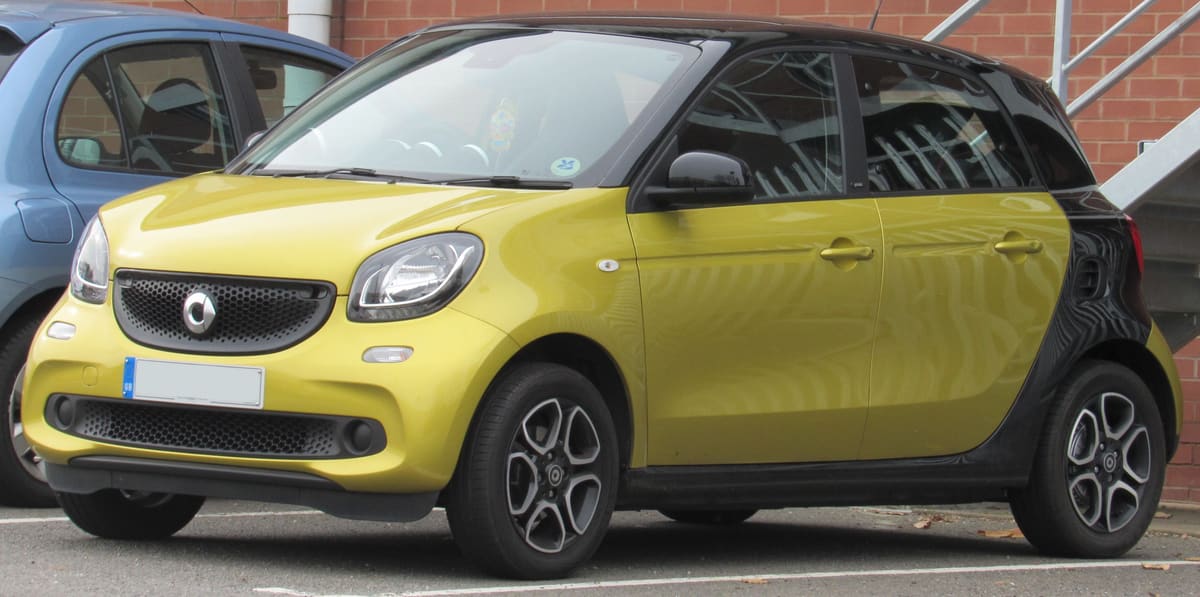
The Smart Forfour’s running costs are influenced by its compact size, modest engine options, and urban-focused design. Taxation depends on its emissions and fuel type, insurance varies with model and driver profile, servicing is generally straightforward but can be pricier than average small cars, and its resale value reflects its niche appeal and brand perception.
Vehicle Taxation and How It Affects Running Costs
The cost of vehicle tax for the Smart Forfour is primarily determined by its CO2 emissions and fuel type. Petrol and diesel engines are taxed differently, with lower emissions attracting reduced rates or exemptions, especially in recent tax years where environmental impact is a key factor. Electric or hybrid variants benefit from lower or zero road tax, reflecting government incentives to encourage cleaner vehicles.
The UK government’s vehicle tax system is structured to reward lower emissions, so a Forfour with a smaller petrol engine or an electric drivetrain will typically cost less to tax annually than a higher-emission diesel version. However, the exact tax band can vary between model years and trims, so it is essential to check the official government vehicle tax tool for the specific car you are interested in.
Tax changes over time can also affect running costs. For example, older models with higher emissions may face increased charges or be subject to congestion charges in city centres, adding to the overall cost of ownership. Understanding the tax band for your particular Forfour model helps anticipate these costs accurately.
Insurance Group Ratings and Their Impact
Insurance premiums for the Smart Forfour depend on the insurance group assigned to each variant, which reflects factors such as engine size, repair costs, safety features, and theft risk. Smaller engines and basic trims tend to fall into lower insurance groups, making them cheaper to insure, while sportier or more powerful versions are placed higher, increasing premiums.
The Forfour’s compact dimensions and urban-friendly design often contribute to lower insurance costs compared to larger or more performance-oriented cars. However, factors like the driver’s age, location, and driving history also play a significant role in determining the final premium.
Insurance group ratings are set by insurers based on historical claims data and vehicle characteristics. Checking a reliable insurance quote service before purchase can provide a realistic idea of what the insurance cost will be for your chosen Forfour model and trim.
Servicing and Maintenance Demands
Servicing the Smart Forfour is generally straightforward due to its simple mechanical layout and shared components with other small cars. Routine maintenance includes oil changes, brake checks, and tyre replacements, which are typical for vehicles in this segment. However, servicing costs can be slightly higher than some rivals because Smart parts and specialised servicing may attract premium charges.
The frequency of servicing depends on the model year and engine type, with newer models often featuring longer service intervals thanks to improved engineering and synthetic oils. Electric versions have fewer moving parts and thus lower servicing demands, primarily focusing on software updates and battery health checks.
Owners should follow the manufacturer’s recommended service schedule to maintain warranty coverage and ensure reliability. Independent garages familiar with Smart vehicles can offer competitive servicing rates, but it is important to ensure genuine parts are used to avoid potential issues.
Fuel Economy and Its Role in Running Costs
Fuel consumption is a significant factor in the Smart Forfour’s running costs. Its small engines and lightweight construction are designed to maximise fuel efficiency, especially in urban driving conditions where the car excels. Petrol engines are typically more economical for city use, while diesel variants might offer better efficiency on longer journeys, though this depends on driving style and conditions.
Electric versions eliminate fuel costs entirely but require access to charging infrastructure and consideration of electricity tariffs. The cost-effectiveness of electric Forfours depends on charging habits and local electricity prices.
Driving behaviour also impacts fuel economy. Smooth acceleration, maintaining steady speeds, and avoiding excessive idling can help reduce fuel consumption and running costs. Checking real-world fuel economy reports for the specific trim and engine you are considering will give a clearer picture of expected costs.
Depreciation and Resale Value
The Smart Forfour’s resale value is influenced by its niche market position and brand perception. While it appeals to urban drivers seeking compact, easy-to-park vehicles, its limited brand prestige compared to mainstream manufacturers can result in faster depreciation.
Electric and hybrid versions may retain value better due to growing demand for low-emission vehicles, but this is balanced against concerns about battery longevity and evolving technology. Petrol and diesel variants tend to depreciate in line with typical small city cars, though condition, mileage, and service history remain critical factors.
Maintaining the car well, keeping up with servicing, and choosing popular trims can help preserve resale value. The availability of used Forfours and market demand at the time of sale will also affect how much you can expect to recoup.
Summary of Running Cost Considerations
Overall, the Smart Forfour’s running costs are shaped by its efficient design, tax advantages for low-emission models, insurance group placement, and manageable servicing requirements. Prospective buyers should carefully consider the specific engine and trim, check current tax rates on the government website, obtain insurance quotes tailored to their profile, and factor in depreciation trends to get a complete picture of ownership costs.
Smart Forfour MOT record
From 737 recorded MOT tests, 33.1% failed.
| Registered | Tests | Failed | Median mileage |
|---|---|---|---|
| 2006 | 429 | 35.2% | 93,430 mi |
| 2005 | 308 | 30.2% | 99,656 mi |
Most common reasons for failure
- A spring or spring component fractured or seriously weakened22.6%
- Brake disc or drum excessively weakened, insecure or fractured20.7%
- The aim of a headlamp is not within limits laid down in the requirements20.3%
- Tyre tread depth not in accordance with the requirements19.6%
- A tyre seriously damaged16.8%
Figures cover every Smart Forfour tested in the DVSA dataset, not this specific car. Check a registration for the actual history of one vehicle.
Frequently asked questions
How much does it cost to maintain the Smart Forfour compared to other small cars?
Maintaining a Smart Forfour typically involves routine checks on components like the timing chain and brake pads. Its compact size means servicing items such as the suspension bushes and clutch can be straightforward, but costs vary depending on the engine type and trim.
Are there any specific parts on the Smart Forfour that tend to wear out quickly?
Owners should keep an eye on the dual-mass flywheel, especially in manual versions, as it can show signs of wear through juddering when changing gears. Regular inspection of the rear drum brakes is also advisable since they can wear unevenly.
What should I check before buying a used Smart Forfour to avoid expensive repairs?
Check the condition of the clutch pedal and listen for any rattling noises from the engine bay, which might indicate timing chain tensioner issues. Also, inspect the condition of the electric power steering system for any warning lights on the dashboard.
Does the Smart Forfour have any known issues that affect fuel efficiency or running costs?
Some Smart Forfour models with turbocharged engines may experience carbon build-up on the intake valves, which can reduce fuel efficiency. Regular servicing including intake cleaning can help maintain optimal running costs.
How often should I expect to replace the tyres on a Smart Forfour?
Tyre wear depends on driving style and road conditions, but the Smart Forfour’s small wheels often mean standard tyre sizes that are easy to source. Regularly check the tread depth and look for uneven wear, which might suggest suspension alignment is needed.
Are there any warning lights specific to the Smart Forfour that I should not ignore?
The engine management light can indicate issues with the turbocharger or the exhaust gas recirculation valve. Additionally, a flashing ABS light might point to problems with the wheel speed sensors, which are important for safe braking.
What kind of servicing schedule does the Smart Forfour require to keep running costs low?
Following the manufacturer’s recommended service intervals is key, including oil changes that use the specified synthetic oil and regular replacement of the air filter. Checking the condition of the drive belts during services can prevent unexpected breakdowns.
Is the Smart Forfour expensive to insure compared to other city cars?
Insurance costs depend on the engine size and trim, but the Smart Forfour’s compact dimensions and safety features like multiple airbags can help keep premiums reasonable. It’s worth comparing quotes based on your specific model and driving history.
Sources
- DVSA anonymised MOT tests and results (Open Government Licence v3.0)