Running costs
Skoda Scala running costs: what UK ownership really costs
Skoda Scala UK running costs: fuel or electric, insurance group, road tax, servicing and depreciation.
Updated 10th October 2026 DVSA data: Across 9,999 recorded MOT tests, 11.1% failed.
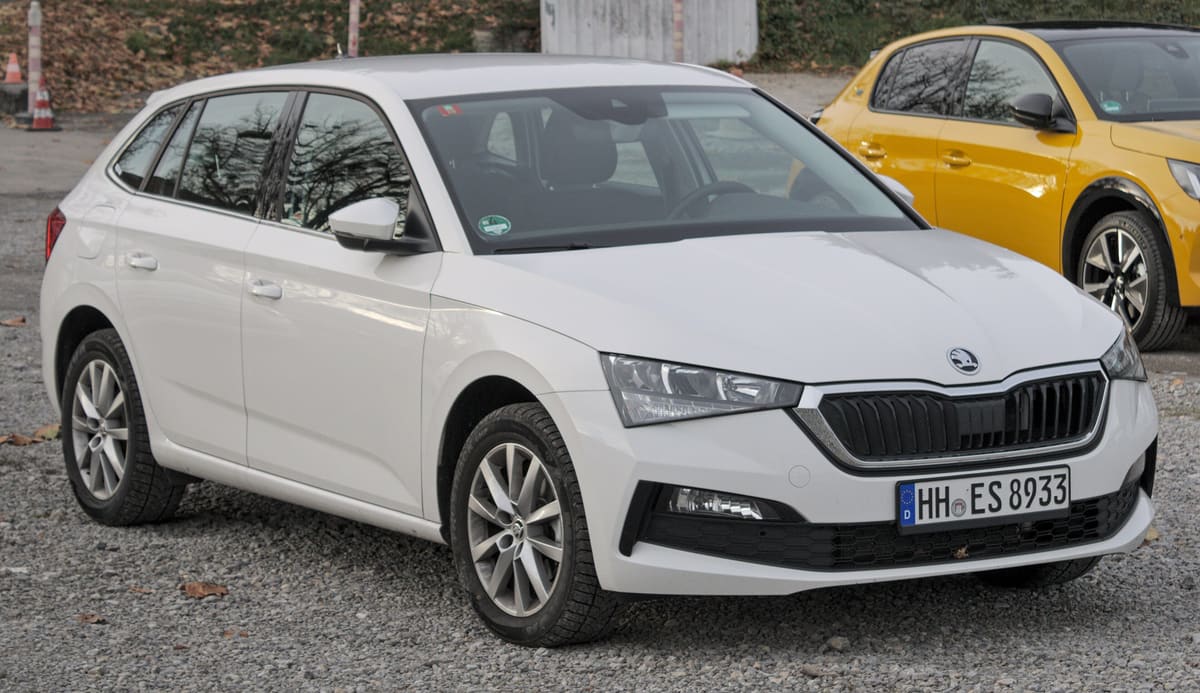
The Skoda Scala’s running costs are influenced by factors such as vehicle tax bands, insurance group ratings, servicing schedules, and depreciation trends. Its tax liability depends on CO2 emissions and fuel type, while insurance costs reflect its safety features and repair costs. Routine maintenance is straightforward but varies by engine and trim, and the car’s residual value is shaped by demand and brand perception.
Vehicle Tax and Its Impact on Running Costs
The cost of vehicle tax for the Skoda Scala is primarily determined by its CO2 emissions and fuel type. Petrol and diesel versions fall into different tax bands, with lower-emission variants attracting reduced rates. This means that choosing a model with efficient emissions can significantly lower annual tax bills.
The UK government’s tax system uses emissions as a key metric, so the more environmentally friendly the engine, the less tax you pay. Electric or hybrid versions, if available, benefit from even more favourable tax treatment. It is important to check the official government website for the latest tax bands applicable to the specific Scala model you are considering, as these can change over time.
Additionally, the first-year tax rate can be higher for certain models, reflecting their emissions, but subsequent years often have a standard rate. This structure encourages buyers to opt for cleaner engines, which helps reduce running costs in the long term.
Insurance Group Ratings and Their Influence
Insurance costs for the Skoda Scala are influenced by its assigned insurance group, which considers factors such as repair costs, safety features, engine size, and theft risk. Generally, models with smaller engines and comprehensive safety equipment fall into lower insurance groups, making them cheaper to insure.
The Scala’s reputation for solid build quality and good safety ratings can help keep insurance premiums reasonable. However, higher-spec trims with more powerful engines or additional technology may push the car into a higher insurance group, increasing costs.
Insurance group ratings are updated annually, reflecting changes in repair costs and claims data. Prospective buyers should obtain personalised insurance quotes to understand how their chosen Scala model will affect premiums, as these can vary widely depending on driver profile and location.
Servicing Requirements and Maintenance Costs
Routine servicing for the Skoda Scala is generally straightforward, with intervals that balance manufacturer recommendations and real-world usage. Regular oil changes, brake checks, and fluid top-ups are part of standard maintenance, while more comprehensive inspections occur at longer intervals.
The cost of servicing depends on the engine type and trim level, with diesel engines sometimes requiring additional maintenance such as particulate filter cleaning. Petrol engines typically have simpler servicing needs, which can reduce overall costs.
Skoda’s parts are usually competitively priced compared to premium brands, and the Scala shares components with other Volkswagen Group models, which can aid availability and cost-effectiveness. Independent garages familiar with the brand can also offer servicing at lower prices than main dealers, without compromising quality.
Fuel Economy and Its Role in Running Costs
Fuel consumption is a significant factor in the Scala’s running costs. While exact figures vary by engine and driving conditions, the car is designed to offer a balance between performance and efficiency. Smaller petrol engines tend to be more economical in urban settings, while diesel variants may excel on longer journeys.
Driving style, traffic conditions, and maintenance all influence fuel economy. Keeping tyres properly inflated, avoiding aggressive acceleration, and adhering to service schedules can help maximise efficiency and reduce fuel expenses.
Prospective buyers should review the specific engine options available for the Scala to choose one that aligns with their typical driving patterns, ensuring fuel costs remain manageable over time.
Depreciation and Residual Value
The Skoda Scala’s depreciation rate affects its overall cost of ownership. As a relatively new model from a brand known for reliability and practicality, it tends to hold value reasonably well compared to some competitors in the same segment.
Factors influencing depreciation include the car’s condition, mileage, service history, and market demand. Well-maintained examples with full service records and desirable specifications usually command better resale prices.
Brand perception and the availability of newer models also impact residual values. Skoda’s reputation for value and quality supports steady demand in the used car market, which helps keep depreciation in check.
Tyre and Brake Wear Considerations
Tyre and brake wear contribute to ongoing running costs for the Scala. The car’s weight, power output, and driving style influence how quickly these components need replacement. Models with sportier trims or larger wheels may experience faster tyre wear.
Regular checks and timely replacements are important to maintain safety and performance. Using tyres that match the manufacturer’s recommendations can help balance grip and longevity, while brake pads and discs typically last longer under gentle driving conditions.
Budgeting for these consumables is essential, as they form part of the routine upkeep that keeps the Scala running smoothly and safely.
Skoda Scala recall record
1 recall has been issued for the Skoda Scala, in 2019.
AN INCORRECT DATASET WAS UPLOADED TO THE OCU UNIT
R/2019/376Issued 1 November 2019
The functions e-call and Info/Service call may not work correctly due to a software fault.
Remedy:The OCU control unit has to be replaced in the affected vehicles
Affects cars built Aug 2019 to Sept 2019
A recall applies to a build range, not to every car of this model. Check a registration to see whether one specific vehicle has an outstanding recall.
Skoda Scala MOT record
From 9,999 recorded MOT tests, 11.1% failed.
| Registered | Tests | Failed | Median mileage |
|---|---|---|---|
| 2023 | 231 | 6.9% | 27,976 mi |
| 2022 | 2,224 | 9.7% | 25,276 mi |
| 2021 | 2,741 | 9.9% | 30,604 mi |
| 2020 | 3,235 | 10.9% | 35,690 mi |
| 2019 | 1,568 | 16.2% | 41,021 mi |
Most common reasons for failure
- A tyre seriously damaged30.8%
- a brake lining or pad worn below 1.5mm25.1%
- Tyre tread depth not in accordance with the requirements18.6%
- Brake disc or drum excessively weakened, insecure or fractured16.5%
- Brake disc or drum significantly and obviously worn9.0%
Figures cover every Skoda Scala tested in the DVSA dataset, not this specific car. Check a registration for the actual history of one vehicle.
Skoda Scala official figures
Median across 28 variants on sale, petrol.
- Combined economy
- 51.4 mpg
- WLTP median across variants
- CO2 emissions
- 124 g/km
- Sets the first-year tax rate
Official figures for new cars. Real economy varies with driving, load and conditions.
Frequently asked questions
What should I expect in terms of fuel costs for a Skoda Scala?
Fuel costs depend on the engine type and driving style. The Scala’s petrol engines use components like direct fuel injectors and turbochargers that influence consumption. Regularly checking the air filter and tyre pressures can help maintain efficient fuel use.
How often does the Skoda Scala require servicing to keep running costs low?
Skoda recommends servicing the Scala roughly every 12 months or 10,000 miles. During a service, mechanics typically inspect the brake pads, replace the engine oil, and check the timing belt condition. Keeping up with these checks helps avoid expensive repairs later.
Are there any specific parts on the Skoda Scala that tend to wear out quickly?
The brake discs and pads on the Scala can wear faster if you do a lot of city driving with frequent stops. Watch for a squealing noise or a warning light on the dashboard indicating brake wear. Replacing these parts promptly keeps repair bills manageable.
What should I look out for to avoid costly repairs on the Skoda Scala’s engine?
Pay attention to the engine management light and any unusual noises from the turbocharger. Regular oil changes and checking the condition of the timing chain can prevent major engine issues. If the check engine light comes on, get a diagnostic scan done quickly.
Does the Skoda Scala have any known issues with its electrical system that affect running costs?
Battery health is important for the Scala, especially if you use many electrical features. A failing battery or alternator can cause warning lights to appear and lead to starting problems. Testing the battery voltage during routine checks can help avoid unexpected breakdowns.
How does tyre wear impact the running costs of a Skoda Scala?
Uneven tyre wear can increase fuel consumption and reduce safety. The Scala’s suspension geometry should be checked if you notice uneven tread wear or the car pulling to one side. Regular wheel alignment and tyre rotation are simple garage jobs that help extend tyre life.
Is the Skoda Scala expensive to insure compared to other cars in its class?
Insurance costs vary widely depending on your location and driving history, but the Scala’s safety features like multiple airbags and stability control can help keep premiums reasonable. Checking your insurance group for the specific trim will give a clearer idea.
What maintenance checks can I do myself to keep the Skoda Scala running smoothly?
You can regularly check the engine oil level using the dipstick and inspect the coolant reservoir for correct levels. Also, keeping an eye on the condition of the windscreen wiper blades and replacing them when worn helps maintain visibility and safety.
Sources
- DVSA anonymised MOT tests and results (Open Government Licence v3.0)
- VCA new car fuel consumption and emissions data (Open Government Licence v3.0)
- DVSA vehicle safety recalls (Open Government Licence v3.0)