Running costs
Skoda Enyaq running costs: what UK ownership really costs
Skoda Enyaq UK running costs: fuel or electric, insurance group, road tax, servicing and depreciation.
Updated 29th September 2026 DVSA data: Across 9,876 recorded MOT tests, 10.3% failed.
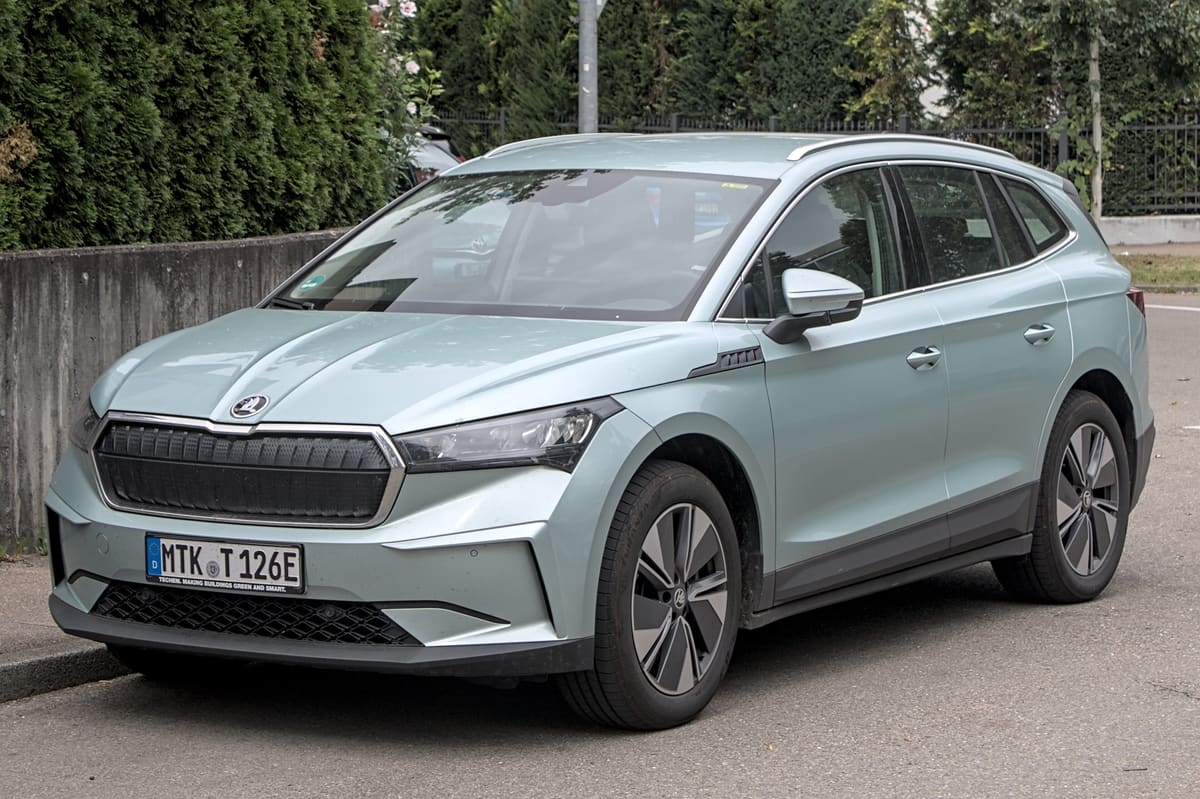
The Skoda Enyaq’s running costs are shaped primarily by its electric powertrain, which means lower fuel expenses and reduced road tax compared with petrol or diesel cars. Insurance costs vary depending on trim and driver profile, while servicing demands are generally less frequent and cheaper than combustion engines. Residual values hold up well, reflecting growing demand for electric vehicles.
Road Tax and the Skoda Enyaq
The Enyaq benefits from the UK’s tax system that favours electric vehicles, resulting in lower or even zero road tax compared to traditional petrol or diesel cars. Since it produces no tailpipe emissions, it typically qualifies for exemption from the standard Vehicle Excise Duty (VED). However, the exact tax treatment can depend on the model year and specific trim, so it is advisable to check the current government guidelines on gov.uk.
This tax advantage makes the Enyaq more economical to run over time, especially for drivers who cover many miles annually. Unlike conventional cars, which face increasing tax rates based on CO2 emissions, electric vehicles like the Enyaq are often subject to a flat or zero rate. This can represent a significant saving over the years, particularly when combined with other incentives such as reduced congestion charges in certain cities.
Insurance Costs and Influencing Factors
Insurance premiums for the Skoda Enyaq can vary widely, influenced by factors such as the driver’s age, location, and claims history, as well as the car’s trim level and safety features. Higher trims with more advanced technology or larger batteries may attract higher premiums due to increased repair costs. Conversely, strong safety ratings and driver assistance systems can help lower insurance group ratings.
The Enyaq’s classification as an electric vehicle can sometimes push insurance costs up because repairs often require specialist skills and parts. However, insurers are becoming more familiar with electric cars, and competitive quotes are available. Prospective buyers should obtain personalised insurance quotes to understand the likely premium for their circumstances, as this will provide the most accurate picture of running costs.
Servicing and Maintenance Requirements
One of the key benefits of the Skoda Enyaq’s electric drivetrain is its relatively low maintenance demand compared to internal combustion engine vehicles. Without an engine oil change, fewer moving parts, and no exhaust system, routine servicing tends to be simpler and less frequent. Brake wear is also reduced thanks to regenerative braking, which slows the car using the electric motor.
That said, the Enyaq still requires regular checks on tyres, suspension, and electrical systems, as well as battery health monitoring. Skoda recommends specific service intervals to maintain warranty coverage and ensure optimal performance. While servicing costs are generally lower, it is important to factor in the potential expense of battery-related repairs or replacements, which can be significant but are rare within the warranty period.
Depreciation and Residual Value
The Skoda Enyaq’s residual value is influenced by the growing popularity of electric vehicles and increasing demand for zero-emission cars. As the market for used electric cars expands, the Enyaq tends to hold its value well compared to many petrol or diesel equivalents. This is partly due to the relative scarcity of affordable, practical electric SUVs and the brand’s reputation for reliability.
However, depreciation rates can vary depending on factors such as battery condition, mileage, and technological advancements in newer models. Buyers should consider the trim and specification carefully, as higher-end versions may retain value better but also cost more initially. Keeping the car well maintained and retaining full service history will help maximise resale value.
Energy Costs and Charging Considerations
Running costs for the Skoda Enyaq are heavily influenced by electricity prices and charging habits. Charging at home overnight during off-peak hours generally offers the lowest cost per mile, while public rapid chargers can be more expensive but provide convenience on longer journeys. The efficiency of the vehicle and the type of charger used both affect overall running costs.
Owners should consider installing a home charging point to optimise energy costs and convenience. Additionally, some electricity suppliers offer tariffs tailored for electric vehicle owners, which can further reduce expenses. Understanding the local charging infrastructure and planning journeys accordingly will help keep running costs manageable and ensure the Enyaq remains economical to operate.
Skoda Enyaq MOT record
From 9,876 recorded MOT tests, 10.3% failed.
| Registered | Tests | Failed | Median mileage |
|---|---|---|---|
| 2024 | 407 | 2.5% | 28,841 mi |
| 2023 | 494 | 5.1% | 36,818 mi |
| 2022 | 5,805 | 10.5% | 32,964 mi |
| 2021 | 3,170 | 11.8% | 40,629 mi |
Most common reasons for failure
- Tyre tread depth not in accordance with the requirements46.2%
- A tyre seriously damaged28.1%
- A tyre cords visible or damaged14.9%
- A shock absorber damaged to the extent that it does not function or showing signs of severe leakage6.7%
- An SRS malfunction indicator lamp (MIL) indicates a system malfunction4.1%
Figures cover every Skoda Enyaq tested in the DVSA dataset, not this specific car. Check a registration for the actual history of one vehicle.
Frequently asked questions
How often does the Skoda Enyaq need its battery health checked?
It is advisable to have the high-voltage battery inspected during routine service intervals. Technicians will use diagnostic tools to assess battery cell balance and state of health, helping to prevent unexpected capacity loss or performance issues.
What should I look out for regarding the Skoda Enyaq’s tyre wear?
Uneven tyre wear can indicate alignment or suspension problems. Regularly check the tread depth and look for signs of cupping or feathering, especially on the front tyres, as this can affect running costs by reducing efficiency and increasing replacement frequency.
Does the Skoda Enyaq require special servicing compared to petrol or diesel cars?
Yes, servicing focuses more on the electric drivetrain components such as the electric motor and inverter. Brake pads may last longer due to regenerative braking, but the coolant system for the battery and electric motor still needs regular checks to avoid overheating.
Are there any warning lights specific to the Skoda Enyaq that affect running costs?
The battery management system warning light is important. If it illuminates, it could indicate issues with battery temperature or charging. Ignoring this can lead to reduced battery efficiency or costly repairs, so get it diagnosed promptly at a Skoda specialist.
How does regenerative braking impact the maintenance costs of the Skoda Enyaq?
Regenerative braking reduces wear on the brake pads and discs by using the electric motor to slow the car. This means brake components typically last longer, lowering maintenance frequency and costs compared to traditional braking systems.
What checks can I do myself to keep the Skoda Enyaq running efficiently?
Regularly inspect the condition of the charging cable and connectors for damage or dirt. Also, keep an eye on tyre pressures as incorrect pressure affects energy consumption. Both simple checks help maintain efficient running and prevent avoidable service visits.
Is the Skoda Enyaq’s coolant system expensive to maintain?
The coolant system for the battery and electric motor requires periodic fluid replacement and leak checks. While not overly complex, it is essential to maintain this system to prevent overheating, which can cause significant damage to the battery pack.
Will software updates affect the running costs of the Skoda Enyaq?
Software updates can improve battery management and energy efficiency, potentially reducing running costs. These updates are usually performed at dealerships or authorised centres and can also address any known software-related faults affecting performance.
Sources
- DVSA anonymised MOT tests and results (Open Government Licence v3.0)