Running costs
Seat Arona running costs: what UK ownership really costs
Seat Arona UK running costs: fuel or electric, insurance group, road tax, servicing and depreciation.
Updated 16th October 2026 DVSA data: Across 56,286 recorded MOT tests, 13.7% failed.
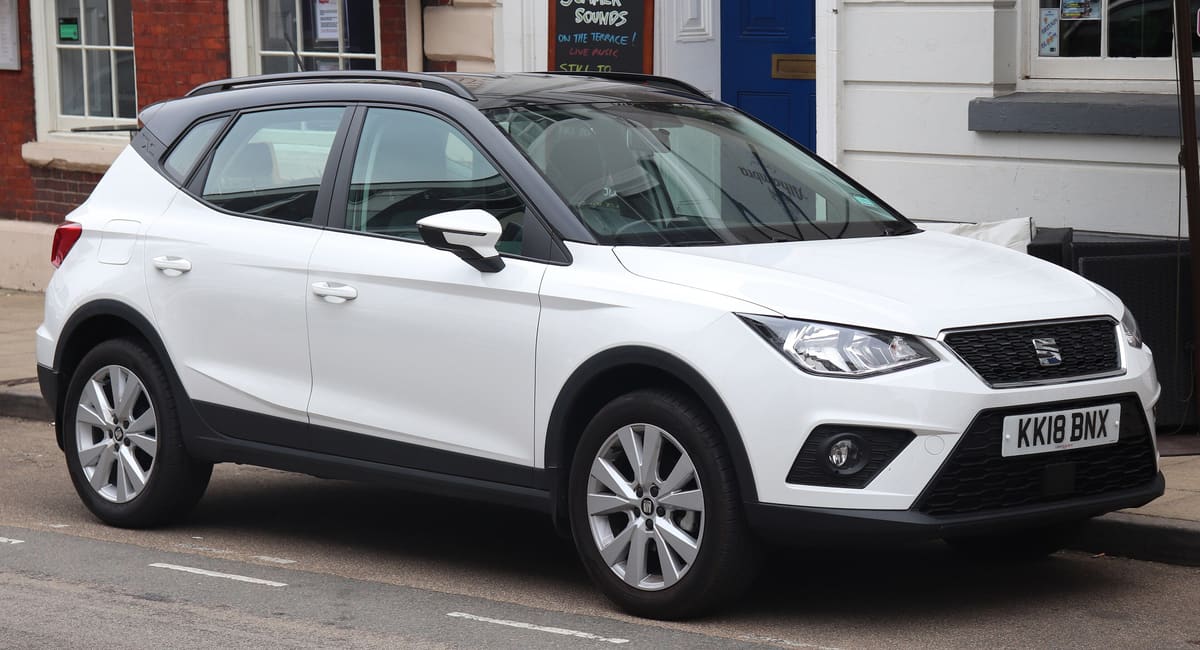
The Seat Arona’s running costs are influenced by factors such as its engine choice, insurance group, servicing schedule, and depreciation. Its tax liability depends on emissions and fuel type, while insurance premiums reflect its safety features and repair costs. Servicing demands are moderate, and it tends to hold value reasonably well within its segment, making it a practical choice for everyday use.
Vehicle Tax and Its Impact on Running Costs
The cost of vehicle tax for the Seat Arona is primarily determined by its CO2 emissions and the type of fuel it uses. Petrol and diesel variants are taxed differently, with lower-emission models attracting reduced rates or benefiting from exemptions in the first year. This means that choosing a more efficient engine or a mild-hybrid version can significantly reduce annual tax bills.
The UK government’s tax system encourages lower emissions by scaling charges according to environmental impact, so higher-emission versions of the Arona will incur greater costs. Electric or plug-in hybrid variants, if available, may benefit from further incentives or lower tax bands. Checking the exact tax band on gov.uk for the specific model and trim is essential, as this can vary considerably.
Insurance Group Ratings and Their Influence
Insurance costs for the Seat Arona hinge on its assigned insurance group, which reflects factors such as repair costs, safety features, engine size, and theft risk. Models with smaller engines or less powerful variants generally fall into lower insurance groups, making them cheaper to insure. Conversely, sportier trims or those with advanced technology may push the group rating higher.
The Arona’s safety equipment, including driver assistance systems and crash protection, can help reduce premiums by lowering the risk of injury and claims. However, repair costs for certain body panels or components can increase insurance group placement if parts are expensive or difficult to source. Prospective buyers should obtain insurance quotes based on their personal details and chosen trim to understand the true cost.
Servicing Requirements and Maintenance Costs
Servicing the Seat Arona is typically straightforward and in line with other small SUVs. The manufacturer recommends regular maintenance intervals that include oil changes, filter replacements, brake checks, and inspections of key mechanical components. The complexity of the engine and presence of hybrid technology can influence the frequency and cost of servicing.
Routine servicing costs are generally moderate, but choosing a dealer or independent garage can affect the price. Some trims with turbocharged engines or mild-hybrid systems may require specialist attention, potentially increasing costs. It is advisable to follow the manufacturer’s service schedule to maintain warranty coverage and ensure reliability, as neglecting servicing can lead to higher repair bills.
Fuel Economy and Its Role in Running Costs
Fuel consumption is a major factor in the Arona’s running costs and varies with engine type, transmission, and driving style. Smaller petrol engines and mild-hybrid variants tend to offer better economy, reducing fuel expenditure over time. Diesel versions may provide improved efficiency on longer journeys but can be more expensive to maintain.
Driving habits, such as frequent short trips or heavy acceleration, can increase fuel consumption, so practical use should be considered when estimating running costs. The Arona’s size and weight contribute to its efficiency, but exact fuel economy figures depend on the chosen trim and specification. Checking official fuel economy ratings for the specific model is recommended.
Depreciation and Residual Value
The Seat Arona generally holds its value reasonably well compared to other small SUVs, thanks to its practical size, brand reputation, and appeal in the used car market. Depreciation rates are influenced by factors such as mileage, condition, and demand for particular trims or engine types.
Models with popular specifications, lower emissions, and good service histories tend to retain value better. Conversely, less sought-after variants or those with higher running costs may depreciate more quickly. Regular maintenance and keeping the vehicle in good condition can help preserve residual value, making the Arona a sensible choice for those concerned about long-term ownership costs.
Seat Arona recall record
5 recalls have been issued for the Seat Arona, between 2018 and 2025.
Passenger airbag replacement
R/2025/230Issued 30 June 2025
On affected vehicles defective passenger airbags may have been fitted. On affected vehicles the passenger airbag should be deactivated and the passenger seat not used until the recall action has been completed.
Remedy:Affected vehicles will be checked and the passenger airbags replaced if necessary.
Affects cars built Jan 2025 to Feb 2025
THE BRACKET OF THE DOUBLE BELT BUCKLE MAY HAVE BEEN DAMAGED DURING THE FORMING PROCESS
R/2020/113Issued 20 April 2020
It is possible that the bracket of the double belt buckle has been damaged during the forming process.
Remedy:The double belt buckle must be replaced in all affected vehicles.
Affects cars built Feb 2020 to Feb 2020
THE DRIVER'S AIR BAG MAY NOT INFLATE FAST ENOUGH IN THE EVENT OF ACTIVATION
R/2019/157Issued 13 May 2019
Drivers air bag may not inflate at the correct rate.
Remedy:Replace the drivers front air bag.
Affects cars built Dec 2017 to Dec 2017
THE ADJUSTED HANDBRAKE LEVER TRAVEL FOR PARKING CAN INCREASE
R/2019/039Issued 4 February 2019
Hand brake lever travel increase due to adjuster nut movement.
Remedy:Re-adjust assembly and fit locking device to nut.
Affects cars built May 2017 to Nov 2018
1 older recall not shown.
A recall applies to a build range, not to every car of this model. Check a registration to see whether one specific vehicle has an outstanding recall.
Seat Arona MOT record
From 56,286 recorded MOT tests, 13.7% failed.
| Registered | Tests | Failed | Median mileage |
|---|---|---|---|
| 2023 | 739 | 10.0% | 20,415 mi |
| 2022 | 6,624 | 9.2% | 21,569 mi |
| 2021 | 11,513 | 9.5% | 28,165 mi |
| 2020 | 10,442 | 11.1% | 32,499 mi |
| 2019 | 14,462 | 14.4% | 39,452 mi |
| 2018 | 11,883 | 21.1% | 46,834 mi |
| 2017 | 623 | 26.0% | 49,733 mi |
Most common reasons for failure
- A tyre seriously damaged26.9%
- a brake lining or pad worn below 1.5mm21.4%
- Tyre tread depth not in accordance with the requirements19.6%
- Brake disc or drum excessively weakened, insecure or fractured16.8%
- Steering rack gaiter or ball joint dust cover missing or no longer prevents the ingress of dirt etc15.4%
Figures cover every Seat Arona tested in the DVSA dataset, not this specific car. Check a registration for the actual history of one vehicle.
Seat Arona official figures
Median across 14 variants on sale, petrol.
- Combined economy
- 50.4 mpg
- WLTP median across variants
- CO2 emissions
- 127 g/km
- Sets the first-year tax rate
Official figures for new cars. Real economy varies with driving, load and conditions.
Frequently asked questions
What should I expect in terms of fuel costs for a Seat Arona?
Fuel costs depend on the engine type and driving style. The Arona’s turbocharged petrol engines typically require regular unleaded fuel. Keeping the air filter clean and tyre pressures correct helps maintain fuel efficiency, so check these regularly.
How often does the Seat Arona need servicing to keep running costs low?
Seat recommends servicing the Arona roughly every 12 months or 10,000 miles, whichever comes first. Routine checks include oil changes, brake fluid replacement, and inspection of the timing belt tensioner. Sticking to this schedule helps avoid costly repairs later.
Are there any specific parts on the Seat Arona that tend to wear out quickly?
The Arona’s brake pads and discs can wear faster if you do a lot of city driving with frequent stops. Listen for squealing noises when braking, which indicates the pads need checking. Tyres also wear depending on road conditions and driving habits.
What should I look out for to avoid expensive repairs on a Seat Arona?
Watch for warning lights on the dashboard, especially the engine management light. This can signal issues with the turbocharger or the exhaust gas recirculation valve. Early diagnostics at a garage can prevent bigger problems and higher repair bills.
Does the Seat Arona have any known maintenance tasks that are particularly costly?
Replacing the timing belt and water pump together is a key maintenance task that can be more expensive than routine servicing. It’s usually done around certain mileage intervals, so check your vehicle’s service schedule to plan ahead.
How does insurance affect the overall running costs of a Seat Arona?
Insurance premiums vary by driver profile and model trim. The Arona’s safety features, such as multiple airbags and electronic stability control, can help reduce premiums. Comparing quotes from different insurers is advisable to find the best deal.
What impact do tyres have on the Seat Arona’s running costs?
Tyres influence fuel economy and safety. The Arona uses standard 16 or 17-inch tyres depending on the trim. Regularly checking tread depth and tyre pressure not only improves grip but also helps avoid uneven wear, which can lead to premature replacement.
Is the Seat Arona expensive to maintain compared to other small SUVs?
Maintenance costs depend on the engine and trim, but the Arona shares many components with other Volkswagen Group models, which can make parts more widely available. Regular servicing and addressing dashboard warnings promptly help keep costs manageable.
Sources
- DVSA anonymised MOT tests and results (Open Government Licence v3.0)
- VCA new car fuel consumption and emissions data (Open Government Licence v3.0)
- DVSA vehicle safety recalls (Open Government Licence v3.0)