Running costs
Renault Megane running costs: what UK ownership really costs
Renault Megane UK running costs: fuel or electric, insurance group, road tax, servicing and depreciation.
Updated 4th October 2026 DVSA data: Across 93,052 recorded MOT tests, 37.7% failed.
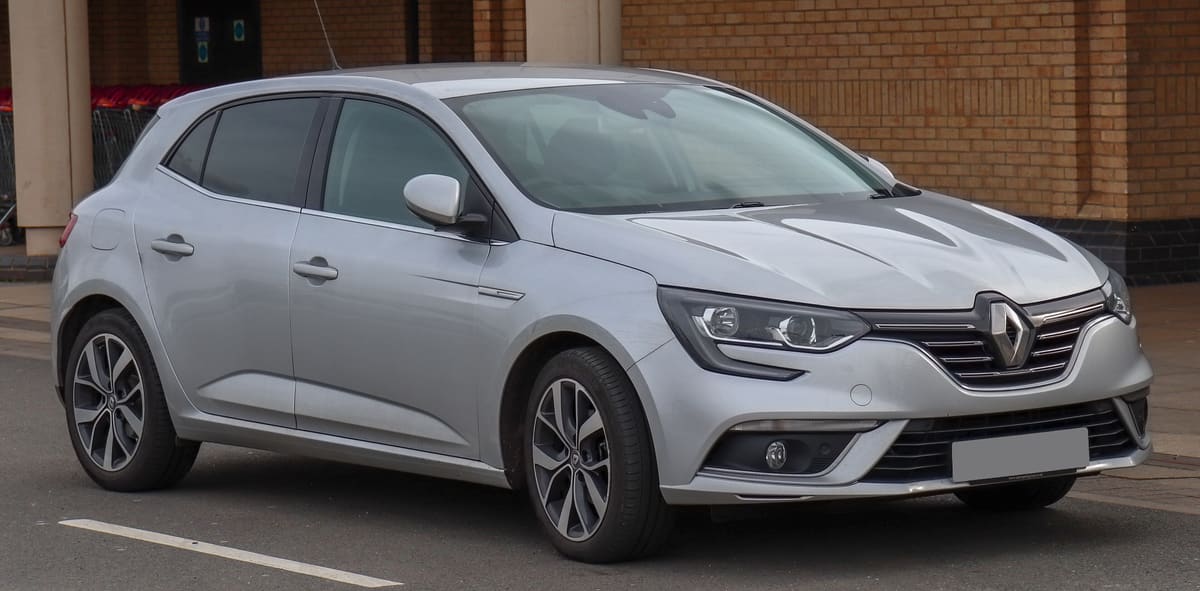
The running costs of a Renault Megane depend on factors like engine choice, insurance group, and trim level. Its tax liability is influenced by emissions, while insurance costs reflect the model’s safety and repair record. Servicing is generally straightforward but varies with engine and technology. The Megane holds value reasonably well, though depreciation is typical for its class.
How Vehicle Tax Affects Running Costs
Vehicle Excise Duty (VED), commonly known as road tax, is a key ongoing cost for any car owner. For the Renault Megane, the amount payable depends primarily on the car’s CO2 emissions and fuel type. Petrol and diesel variants attract different rates, with diesel models often subject to higher charges if they do not meet the latest emissions standards.
The UK government’s tax system incentivises lower-emission vehicles by charging less or zero tax for those that meet strict environmental criteria. This means that certain Megane trims with cleaner engines benefit from reduced tax bills. Conversely, higher-emission versions incur greater charges, increasing annual running costs.
Tax rates are reviewed regularly, so it is important to consult official government resources to understand the current liability for the specific Megane model in question. This ensures accurate budgeting and avoids surprises after purchase.
Insurance Group and Its Impact on Costs
Insurance premiums for the Renault Megane are influenced by the car’s assigned insurance group, which reflects factors such as repair costs, safety features, engine size, and theft risk. The Megane’s insurance group varies across different trims and engine options, affecting how much drivers pay for coverage.
Models with smaller engines and fewer expensive components tend to fall into lower insurance groups, making them cheaper to insure. Conversely, sporty or high-performance versions attract higher premiums due to increased repair costs and perceived risk. Features like advanced safety systems can help reduce premiums by lowering the likelihood of injury or damage.
To get an accurate insurance quote for a Megane, it is advisable to use a reputable comparison website or contact insurers directly. Providing detailed information about the exact model, trim, and personal circumstances will yield the most relevant premium estimate.
Servicing and Maintenance Demands
The Renault Megane’s servicing requirements depend on the engine type, age, and mileage. Routine maintenance typically includes oil and filter changes, brake checks, tyre inspections, and fluid top-ups. Diesel engines may require additional attention to components like the diesel particulate filter, while petrol engines tend to have simpler servicing needs.
Renault generally recommends servicing intervals that balance reliability with cost-effectiveness. Some Megane models feature longer service intervals thanks to modern engine technology, which can reduce the frequency and cost of visits to the garage. However, neglecting scheduled maintenance can lead to more expensive repairs down the line.
Parts availability and labour costs also influence servicing expenses. The Megane benefits from widespread dealer and independent garage support across the UK, which helps keep servicing accessible and competitive. Checking the service history of a used Megane is essential to ensure it has been maintained properly.
Fuel Economy and Running Costs
Fuel consumption is a significant part of the Megane’s running costs. The range of engine options means fuel economy varies widely across the model line-up. Smaller petrol engines typically offer better efficiency in urban driving, while diesel variants tend to excel on longer journeys and motorway use.
Driving style, traffic conditions, and vehicle load also affect fuel consumption. Maintaining steady speeds, avoiding harsh acceleration, and keeping tyres properly inflated can help improve economy and reduce fuel bills.
Choosing the right engine and fuel type for your typical driving patterns is crucial to managing running costs effectively. It is recommended to review official fuel economy figures for the specific Megane trim you are interested in, as these provide a useful benchmark.
Depreciation and Resale Value
Like most family hatchbacks, the Renault Megane experiences steady depreciation over time. Factors influencing its resale value include the car’s condition, mileage, service history, and market demand for its particular engine and trim.
Models with popular engines and trims that balance performance and economy tend to hold value better. Well-maintained examples with full service records attract more buyers and command higher prices. Conversely, cars with high mileage or lacking documentation may see steeper depreciation.
The Megane’s reputation for reliability and practicality supports its residual value, but it is important to consider that depreciation is an inevitable part of car ownership. Prospective buyers should research current market values and trends to understand how the Megane compares with rivals in its segment.
Summary of Running Cost Considerations
The Renault Megane’s running costs are shaped by a combination of tax rates linked to emissions, insurance group classifications, servicing needs, fuel economy, and depreciation. Each of these elements varies depending on the chosen engine, trim, and individual usage patterns.
Prospective owners should carefully assess these factors in relation to their driving habits and budget. Consulting official government tax information, obtaining personalised insurance quotes, and reviewing service requirements will provide a clearer picture of the total cost of ownership for the Megane model they are interested in.
Renault Megane recall record
31 recalls have been issued for the Renault Megane, between 1997 and 2026.
Error in Handbook for Operation of Window Lock
R/2026/103Issued 12 March 2026
Amendment to the Owners Handbook – Correction of an error in the operating instructions in paragraph 3.22 relating to the operation of the window lifter: incorrect description of the rear door locking procedure
Remedy:Registered keeper will be sent a corrected page
Affects cars built Apr 2016 to Oct 2016
Risk of parking brake actuator failing
R/2025/377Issued 9 September 2025
For certain vehicles a concern involving the electric traction reducer parking brake mechanism actuator or gearbox engagement actuator within the transmission may result in the parking brake mechanism actuator no longer correctly positioning the locking pawl in the “P lock”.
Remedy:Replacement of the electric traction reducer parking brake mechanism actuator or gearbox Engagement Actuator.
Affects cars built Apr 2024 to May 2025
THERE IS A POTENTIAL FOR THE INTERNAL AGGRESSION IN THE FUEL HOSE CAUSING A FUEL LEAK
R/2020/189Issued 30 June 2020
There is a potential for the internal aggression in the fuel hose causing a fuel leak.
Remedy:Replace the fuel supple pipe
Affects cars built Sept 2018 to May 2019
THE SOLENOID VALVE DOES NOT SWITCH TO THE HIGH OIL PRESSURE POSITION WHEN REQUIRED
R/2019/300Issued 17 September 2019
The oil pressure solenoid valve may not switch correctly.
Remedy:Check the solenoid and modify or replace if required
Affects cars built Mar 2018 to May 2019
27 older recalls not shown.
A recall applies to a build range, not to every car of this model. Check a registration to see whether one specific vehicle has an outstanding recall.
Renault Megane MOT record
From 93,052 recorded MOT tests, 37.7% failed.
| Registered | Tests | Failed | Median mileage |
|---|---|---|---|
| 2022 | 1,286 | 15.5% | 22,234 mi |
| 2021 | 762 | 12.7% | 35,613 mi |
| 2020 | 1,013 | 16.2% | 40,014 mi |
| 2019 | 2,456 | 19.1% | 43,018 mi |
| 2018 | 1,928 | 20.3% | 54,517 mi |
| 2017 | 5,091 | 24.3% | 65,683 mi |
| 2016 | 5,027 | 27.4% | 69,855 mi |
| 2015 | 6,220 | 36.6% | 83,944 mi |
Most common reasons for failure
- A suspension pin, bush or joint excessively worn26.8%
- Tyre tread depth not in accordance with the requirements24.1%
- Brake disc or drum excessively weakened, insecure or fractured18.4%
- A spring or spring component fractured or seriously weakened17.4%
- A tyre seriously damaged13.2%
Figures cover every Renault Megane tested in the DVSA dataset, not this specific car. Check a registration for the actual history of one vehicle.
Renault Megane official figures
Median across 18 variants on sale, electricity.
- Electric range
- 280 miles
- Manufacturer WLTP figure
Official figures for new cars. Real economy varies with driving, load and conditions.
Frequently asked questions
How often should I service the Renault Megane to keep running costs low?
Renault recommends servicing the Megane roughly every 12 months or 12,000 miles. During a service, mechanics typically check the timing belt condition and replace engine oil and filters, which helps avoid costly repairs later on.
What are the typical signs that the Renault Megane’s clutch might need replacing?
If you notice a burning smell when changing gears or the clutch pedal feels spongy, these can indicate wear. A garage will usually inspect the clutch plate and pressure plate to confirm if replacement is necessary.
Does the Renault Megane have any specific warning lights I should watch for to avoid expensive repairs?
Keep an eye on the engine management light, which can signal issues with components like the lambda sensor or turbocharger. Early diagnostics can prevent more severe engine damage and higher repair bills.
Are Renault Megane tyres expensive to replace, and what should I check regularly?
Tyre wear on the Megane can be uneven if the wheel alignment is off. Regularly check tyre tread depth and look for sidewall damage. Maintaining correct tyre pressure also helps extend tyre life and improve fuel efficiency.
What maintenance tasks can I do myself to reduce running costs on a Renault Megane?
You can check and top up fluids like engine oil, coolant, and brake fluid yourself. Also, inspecting the air filter for dirt and replacing it when clogged can improve engine performance and reduce fuel consumption.
How does the Renault Megane’s diesel particulate filter affect running costs?
The diesel particulate filter (DPF) traps soot from the exhaust but needs regular regeneration to avoid clogging. Short trips can prevent proper regeneration, so longer drives occasionally help keep the DPF clear and avoid costly replacements.
What should I know about the Renault Megane’s battery life and replacement indicators?
The battery warning light on the dashboard signals charging issues, often linked to the alternator or battery terminals. Corrosion on terminals can cause poor connections, so regular checks and cleaning can extend battery life.
Is the Renault Megane expensive to insure compared to other cars in its class?
Insurance costs vary by trim and engine size, but the Megane’s safety features like multiple airbags and electronic stability control can help keep premiums reasonable. Always check your specific model’s details with insurers.
Sources
- DVSA anonymised MOT tests and results (Open Government Licence v3.0)
- VCA new car fuel consumption and emissions data (Open Government Licence v3.0)
- DVSA vehicle safety recalls (Open Government Licence v3.0)