Running costs
Polestar 3 running costs: what UK ownership really costs
Polestar 3 UK running costs: fuel or electric, insurance group, road tax, servicing and depreciation.
Updated 29th September 2026
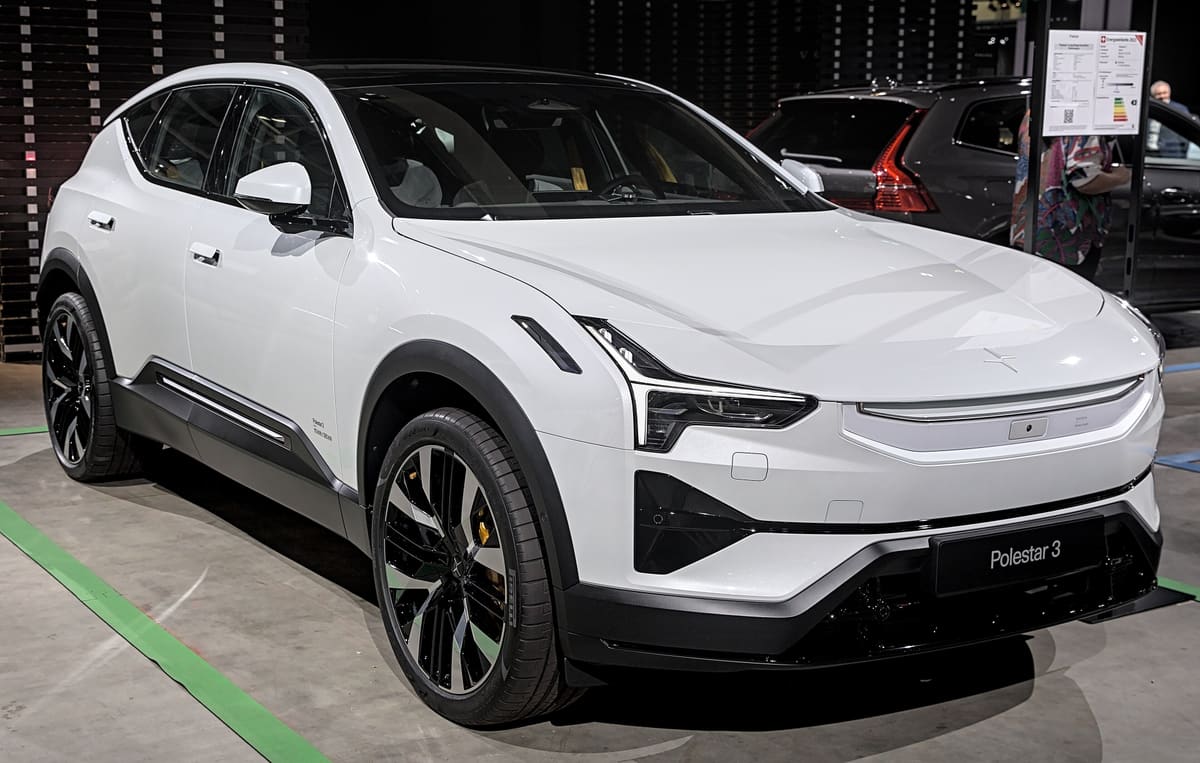
The Polestar 3’s running costs are influenced by its electric drivetrain, tax incentives for zero-emission vehicles, insurance group ratings reflecting its size and technology, servicing requirements typical of premium electric SUVs, and its residual value shaped by brand perception and market demand. Overall, it offers competitive costs compared to similar luxury electric SUVs, but specifics vary by trim and usage.
Vehicle Taxation and How It Affects Running Costs
The Polestar 3 benefits from the UK’s vehicle taxation system designed to encourage low-emission vehicles. As a fully electric SUV, it is exempt from Vehicle Excise Duty (VED) in its first year and continues to enjoy reduced or zero rates thereafter, depending on government policy changes. This significantly lowers the annual tax burden compared to petrol or diesel equivalents.
The UK government’s approach to taxing electric vehicles recognises their environmental benefits by offering incentives such as exemption from congestion charges in some cities and reduced rates on company car tax. However, since policies evolve, it is important to check the latest information on the official government website to understand the exact tax position for the Polestar 3 at the time of purchase or ownership.
The tax advantage is a key factor in the total cost of ownership, especially for drivers who cover many miles annually. It can make the Polestar 3 more economical over time compared to internal combustion engine SUVs that face higher tax bands due to emissions.
Insurance Group and What Influences Premiums
Insurance costs for the Polestar 3 are influenced by its classification in insurance groups, which reflect factors such as vehicle value, repair costs, performance, and safety features. Being a premium electric SUV with advanced technology and a high purchase price, it is likely to be placed in a higher insurance group.
The advanced safety systems fitted as standard can help moderate insurance premiums by reducing the risk of accidents or injury claims. However, the cost of repairing or replacing electric-specific components, such as the battery pack and electric motors, can push premiums upward.
Drivers should obtain personalised insurance quotes to understand the cost implications fully, as premiums vary based on individual circumstances including driving history, location, and usage. Comparing quotes from multiple insurers will provide the most accurate picture of insurance costs for the Polestar 3.
Servicing and Maintenance Demands
The Polestar 3’s electric powertrain means it requires less routine servicing than traditional petrol or diesel SUVs. There are no oil changes, fewer moving parts, and less wear on components like brakes due to regenerative braking systems. This generally reduces maintenance costs and frequency.
However, servicing still involves checks on the battery health, electric drivetrain components, suspension, tyres, and software updates. Polestar offers servicing plans that cover these aspects, which can provide cost certainty but may come at a premium due to the vehicle’s luxury status.
Tyre wear can be higher on heavier electric SUVs, so regular inspection and replacement are important running costs to consider. Additionally, as with all vehicles, wear and tear on items such as wiper blades, brake pads, and cabin filters will contribute to ongoing maintenance expenses.
Depreciation and Residual Value
The Polestar 3’s residual value is influenced by factors including brand reputation, demand for electric vehicles, and the pace of technological advancement. As electric vehicles become more mainstream, strong demand for premium models helps support better resale values.
Polestar’s positioning as a performance-focused electric brand with Scandinavian design appeal adds to its desirability, which can help retain value. However, rapid improvements in battery technology and new model introductions may affect depreciation rates over time.
Buyers should consider that depreciation is one of the largest running costs for any vehicle. Choosing the right trim and specification that aligns with market preferences can help maintain better value. Keeping the vehicle well-maintained and retaining full service history also supports stronger resale prices.
Energy Costs and Charging Considerations
While not a traditional running cost like fuel, the cost of electricity to charge the Polestar 3 is a significant factor in overall expenditure. Charging at home overnight using off-peak tariffs can reduce costs substantially compared to public fast chargers, which tend to be more expensive.
The efficiency of the vehicle and the type of driving (urban versus motorway) influence how often and how much charging is needed. Planning charging habits around cheaper electricity rates and utilising workplace or destination charging points can help manage running costs effectively.
Government incentives for home charger installation and workplace charging availability also play a role in the convenience and cost of running an electric vehicle like the Polestar 3. Prospective owners should factor in these aspects when calculating total running costs.
Summary of Running Cost Drivers
The Polestar 3’s running costs are shaped by a combination of low vehicle tax due to zero emissions, insurance premiums reflecting its premium electric SUV status, reduced servicing demands compared to combustion vehicles, and depreciation influenced by brand and technology trends. Energy costs for charging add a new dimension to budgeting, with opportunities for savings through smart charging strategies. Understanding these factors helps buyers assess the true cost of ownership relative to other vehicles in its class.
Frequently asked questions
What should I know about the Polestar 3's battery maintenance?
The Polestar 3 uses a high-voltage lithium-ion battery that requires regular software updates to maintain efficiency. Watch for the battery warning light on the dashboard, which can indicate issues like cell imbalance or thermal management faults. A garage can perform diagnostic checks to ensure the battery system is healthy.
How often does the Polestar 3 need brake fluid replacement?
Brake fluid in the Polestar 3 should be replaced every two years to maintain braking performance. This is important because the car uses regenerative braking alongside traditional discs, and old fluid can affect both systems. Your service centre will flush and replace the fluid during routine maintenance.
Are there any specific tyre considerations for the Polestar 3?
The Polestar 3 typically runs on low rolling resistance tyres designed for electric vehicles. Check tyre pressure regularly as underinflated tyres can reduce range and affect handling. Tyre wear patterns might also differ due to the instant torque from the electric motors, so inspect for uneven wear during servicing.
What kind of servicing does the Polestar 3 require compared to petrol cars?
Unlike petrol cars, the Polestar 3 has fewer moving parts in its drivetrain, so it does not need oil changes or spark plug replacements. However, it still requires checks on the cooling system for the battery and electric motors, as well as cabin air filter replacements. Regular software updates are also part of its maintenance.
How can I monitor the Polestar 3’s energy consumption to manage running costs?
The Polestar 3’s infotainment system provides real-time energy consumption data, helping you adjust driving style to improve efficiency. Keep an eye on the energy flow display to see how much power is used by heating or air conditioning, as these can impact running costs. Using eco-driving modes can also help.
What are the signs of a failing electric motor in the Polestar 3?
If the Polestar 3’s electric motor develops issues, you might notice reduced acceleration or unusual noises during operation. The dashboard may display a motor system warning light. A diagnostic scan at a specialist garage can identify faults in the motor or inverter components.
Does the Polestar 3 require special checks for its regenerative braking system?
Yes, the regenerative braking system in the Polestar 3 should be inspected during servicing to ensure it is capturing energy efficiently. Look out for a spongy brake pedal or inconsistent braking feel, which could indicate issues with the brake-by-wire system. Technicians will also check the brake pads and discs for wear.
How often should the Polestar 3’s software be updated to avoid running issues?
Software updates for the Polestar 3 are important and typically recommended during scheduled servicing. These updates can improve battery management, infotainment features, and safety systems. You can also receive over-the-air updates, but it is wise to confirm with your dealer that your car’s software is current.