Running costs
Peugeot e-2008 running costs: what UK ownership really costs
Peugeot e-2008 UK running costs: fuel or electric, insurance group, road tax, servicing and depreciation.
Updated 3rd October 2026
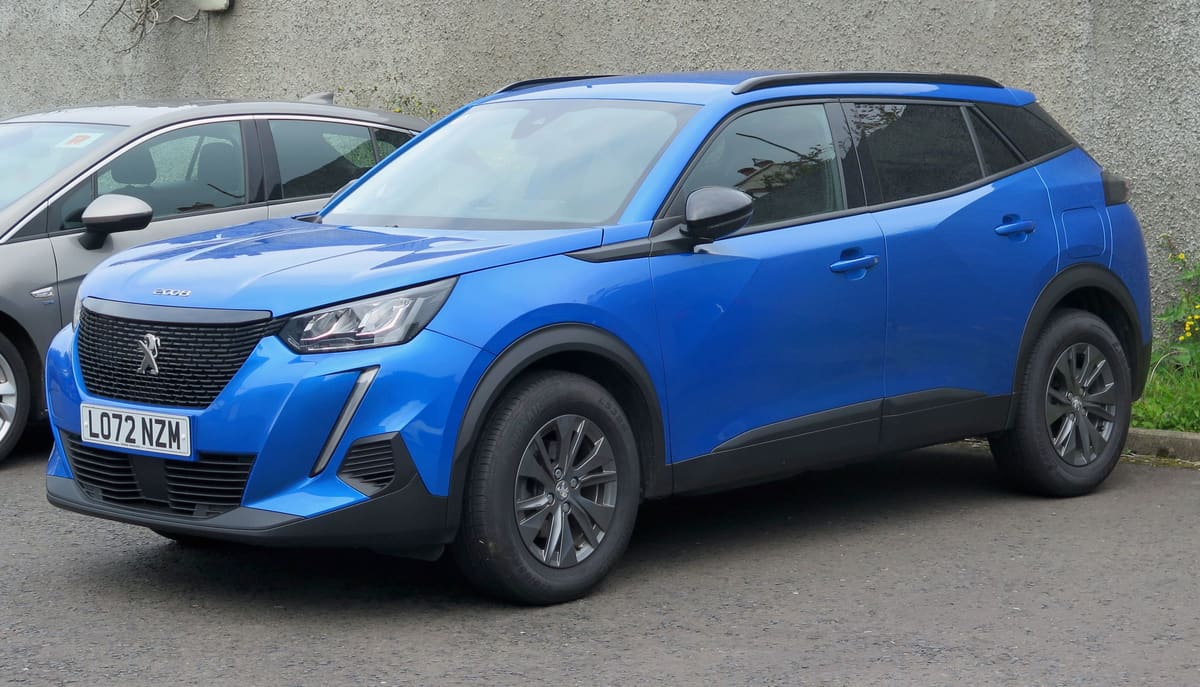
The Peugeot e-2008 offers low running costs compared to petrol or diesel equivalents, mainly due to its electric powertrain which cuts fuel expenses and benefits from favourable tax treatment. Insurance and servicing costs vary with trim and usage, while depreciation is influenced by the evolving EV market and battery considerations. Overall, it can be economical to run if charging habits and insurance are managed well.
Taxation and Government Incentives
The e-2008 benefits from the UK’s tax system designed to encourage electric vehicle adoption. It is exempt from Vehicle Excise Duty (road tax) because it produces zero tailpipe emissions. This exemption applies as long as the car remains registered as an electric vehicle, significantly reducing annual ownership costs compared to petrol or diesel models.
Additionally, electric vehicles may qualify for grants or incentives when new, though these vary over time and depend on government policy. Company car tax rates for electric vehicles are also lower, making the e-2008 attractive for business users. However, the benefit-in-kind tax rate depends on the car’s list price and CO2 emissions, so it is important to check the latest government guidance on gov.uk for precise details.
Congestion charges and low emission zone fees are often reduced or waived for electric vehicles, which can further reduce running costs in urban areas. Overall, the tax system strongly favours electric vehicles like the e-2008, helping to offset their typically higher purchase price.
Insurance Considerations
Insurance premiums for the Peugeot e-2008 depend on several factors including the driver’s profile, location, and the vehicle’s insurance group rating. Electric vehicles can sometimes attract higher premiums due to the cost and complexity of repairing battery and electric drivetrain components. However, the e-2008’s safety features and moderate power output may help keep its insurance group reasonable.
Trim level and optional extras influence insurance costs because they affect the car’s value and repair expenses. For example, higher-spec models with advanced driver assistance systems or larger alloy wheels may be more expensive to insure. It is advisable to obtain insurance quotes tailored to your circumstances and the specific e-2008 trim you are considering.
Some insurers offer discounts or special policies for electric vehicles, recognising their lower risk of certain types of claims and environmental benefits. Comparing quotes from multiple providers is essential to find the best deal. Using comparison websites or consulting your current insurer can provide a clearer picture of the expected premium.
Servicing and Maintenance Demands
The Peugeot e-2008’s electric powertrain reduces servicing requirements compared to internal combustion engine cars. It has fewer moving parts, no oil changes, and no traditional engine maintenance such as spark plugs or timing belts. This generally means lower servicing costs and less frequent visits to the garage.
Routine maintenance focuses on items like brake fluid, tyres, wiper blades, and cabin air filters. The regenerative braking system in electric vehicles often reduces wear on brake pads and discs, potentially extending their lifespan and lowering replacement costs. Peugeot recommends specific service intervals, which should be followed to maintain warranty coverage and ensure reliability.
Battery health is a key consideration. While the battery is designed to last many years, it is important to monitor its condition and charging habits to avoid premature degradation. Peugeot typically offers a warranty covering the battery for a set number of years or mileage, providing peace of mind. Any battery repairs or replacements outside warranty can be costly, so proper care is essential.
Depreciation and Residual Values
Electric vehicles like the e-2008 can experience different depreciation patterns compared to petrol or diesel cars. Factors influencing residual values include battery life, technological advancements, government incentives, and market demand for used EVs. As electric vehicle technology evolves rapidly, older models may depreciate faster if newer models offer significantly improved range or features.
Battery warranty and condition are critical to maintaining value. Buyers of used e-2008s often look for evidence of battery health and charging history. Cars with well-maintained batteries and recent software updates tend to hold value better. The availability of charging infrastructure and public perception of electric vehicles also affect desirability.
Trim level and optional equipment influence resale prices. Higher-spec versions with premium features typically retain value better but may have higher initial depreciation due to their higher purchase price. The e-2008’s styling and brand reputation also play a role in how well it holds value over time.
Energy Costs and Charging
Running costs for the e-2008 are heavily influenced by electricity prices and charging habits. Charging at home overnight using off-peak tariffs can be significantly cheaper than public rapid chargers, which tend to be more expensive per unit of energy. Planning charging routines to maximise home charging can reduce overall running costs.
Public charging networks vary in price and availability. Some offer subscription plans or pay-as-you-go options, which can affect the cost per charge. Using rapid chargers is convenient but generally costs more, so frequent use may increase running expenses. It is advisable to assess local charging infrastructure before purchase.
Energy efficiency depends on driving style, terrain, and weather conditions. Cold weather can reduce battery efficiency and range, potentially increasing charging frequency and costs. The e-2008’s regenerative braking helps recover energy during deceleration, improving overall efficiency and reducing energy consumption.
Tyres and Other Running Costs
Tyres for the e-2008 may differ from those on petrol or diesel versions due to the electric powertrain’s weight and torque characteristics. Electric vehicles often use low rolling resistance tyres to maximise range, which can be more expensive to replace but contribute to lower energy consumption.
Tyre wear can be influenced by the instant torque delivery of electric motors, which may cause increased wear if driven aggressively. Regular tyre maintenance, including correct pressures and alignment, helps prolong tyre life and maintain efficiency.
Other running costs include insurance, parking permits, and potential home charging installation expenses. While the e-2008 avoids fuel costs and some taxes, these additional factors should be considered when budgeting for ownership.
The Peugeot e-2008’s running costs are shaped by its electric drivetrain, government incentives, insurance considerations, and maintenance needs. It generally offers lower fuel and tax expenses but requires attention to insurance and battery care. Understanding these factors helps prospective buyers make an informed decision about the true cost of ownership.
Peugeot e-2008 recall record
1 recall has been issued for the Peugeot e-2008, in 2022.
THE OPEN CIRCUIT DETECTION SYSTEM COULD BE OVER SENSITIVE CAUSING A NUMBER OF OPERATIONAL ISSUES
R/2022/012Issued 13 January 2022
A possibility that the open circuit detection system could be over-sensitivite causing a number of operational issues including sudden power loss.
Remedy:Download the latest software configuration check some electronic units and replace them if necessary.
Affects cars built Nov 2019 to Sept 2020
A recall applies to a build range, not to every car of this model. Check a registration to see whether one specific vehicle has an outstanding recall.
Frequently asked questions
How much does it cost to charge a Peugeot e-2008 at home?
Charging the Peugeot e-2008 at home mainly involves your electricity tariff. You can monitor the battery charge level via the dashboard display and plug into a home wallbox charger for convenience. Checking your electricity meter before and after charging helps track consumption.
What maintenance should I expect for the Peugeot e-2008’s electric drivetrain?
The electric drivetrain requires less frequent servicing than a petrol engine. Key components like the electric motor and inverter are largely sealed and maintenance-free. However, the brake system needs regular checks because regenerative braking changes wear patterns on brake pads and discs.
Are there any specific warning lights related to the battery I should watch for?
Yes, the e-2008 has a dedicated battery warning light that appears if there is an issue with the high-voltage battery or its cooling system. If this light comes on, it is important to have the vehicle inspected promptly to avoid potential battery damage.
Does the Peugeot e-2008 require special tyres or brakes that affect running costs?
The e-2008 uses standard tyres suitable for its weight and electric power delivery, but checking tyre pressure regularly is important to maintain efficiency. The brakes benefit from regenerative braking, which reduces wear, so brake pads and discs typically last longer than on conventional cars.
How often should the Peugeot e-2008’s battery coolant be checked or replaced?
Battery coolant is vital for maintaining the battery’s temperature. Peugeot recommends checking the coolant level during routine servicing. If the coolant is low or contaminated, a garage will flush and replace it to ensure the battery operates efficiently and safely.
What should I know about servicing the Peugeot e-2008’s heating and air conditioning system?
The heating and air conditioning system in the e-2008 uses a heat pump that is more efficient than traditional systems. Regular servicing includes checking refrigerant levels and inspecting the heat pump for any faults, which helps maintain cabin comfort without excessive energy use.
Can I use any public charging point with the Peugeot e-2008?
The e-2008 is compatible with most public charging points using standard connectors. It is advisable to check the type of connector and charging speed supported by your specific trim. Using a reliable charging network helps avoid connection issues and ensures proper charging.
Sources
- DVSA vehicle safety recalls (Open Government Licence v3.0)