Running costs
Mitsubishi Outlander running costs: what UK ownership really costs
Mitsubishi Outlander UK running costs: fuel or electric, insurance group, road tax, servicing and depreciation.
Updated 16th October 2026 DVSA data: Across 74,542 recorded MOT tests, 19.2% failed.
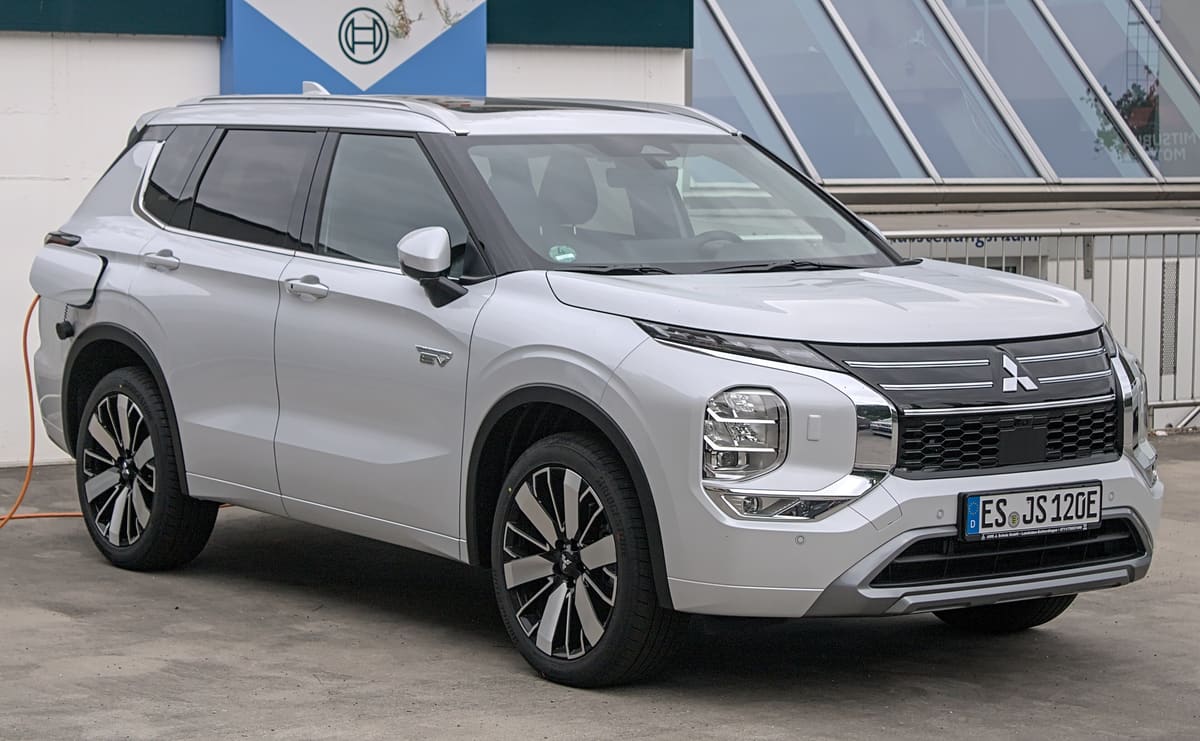
The Mitsubishi Outlander’s running costs are influenced by its taxation category, insurance grouping, servicing demands, and depreciation profile. Its tax treatment depends on emissions and fuel type, insurance costs reflect engine size and safety features, servicing is moderate but varies with hybrid models, and its resale value is steady though not exceptional. These factors combine to shape ownership expenses.
Vehicle Tax and the Mitsubishi Outlander
The cost of vehicle tax for the Outlander depends primarily on its emissions and fuel type. Petrol and diesel versions are taxed according to their carbon dioxide output, with lower emissions attracting reduced rates. Plug-in hybrid variants benefit from favourable tax treatment due to their ability to run on electric power, often qualifying for lower or zero tax bands in the first year.
The UK government’s vehicle tax system is designed to encourage cleaner vehicles, so the Outlander’s hybrid models typically incur less tax than traditional combustion engines. However, exact rates vary by model year and specific trim, so it is important to check the latest figures on the official government website. This ensures accurate budgeting for annual tax payments.
For those considering a diesel Outlander, it is worth noting that recent changes to tax rules have increased costs for higher-polluting diesel cars. The petrol variants generally face a more straightforward tax regime. Overall, the Outlander’s tax liability reflects its environmental impact, with hybrids offering the most economical choice in this respect.
Insurance Group and Premium Influences
Insurance costs for the Mitsubishi Outlander are influenced by its assigned insurance group, which takes into account factors such as engine size, repair costs, safety features, and theft risk. Typically, larger engines and more powerful models fall into higher groups, leading to increased premiums. Conversely, models with advanced safety equipment may benefit from lower insurance costs.
The Outlander’s reputation for reliability and its family-oriented design can positively affect insurance premiums. Features like multiple airbags, electronic stability control, and advanced driver assistance systems contribute to safer driving and can reduce insurance group ratings. However, the vehicle’s size and value also play a role in pushing premiums upward.
Prospective owners should obtain personalised insurance quotes to understand how their circumstances affect costs. Insurers consider the driver’s age, location, and driving history alongside the vehicle’s characteristics. Comparing quotes from multiple providers is advisable to secure the best deal for the Outlander.
Servicing Requirements and Maintenance Costs
Servicing the Mitsubishi Outlander involves routine maintenance tasks such as oil changes, brake checks, and tyre replacements, which are broadly comparable to other SUVs in its class. The frequency and complexity of servicing can vary depending on whether the vehicle is a conventional petrol or diesel model or a plug-in hybrid.
Hybrid versions require additional attention to battery health and electric motor components, which may increase servicing complexity and cost. However, these vehicles often have longer service intervals for the combustion engine due to reduced usage. Parts availability and the simplicity of the Outlander’s mechanical design generally keep servicing manageable.
Regular servicing is essential to maintain warranty coverage and ensure the vehicle operates efficiently. Owners should follow the manufacturer’s recommended schedule and use authorised service centres to avoid unexpected repair bills. Budgeting for servicing should consider both routine maintenance and potential wear items like brake pads and tyres.
Depreciation and Residual Value
The Mitsubishi Outlander’s depreciation rate affects its overall running costs by influencing how much value the vehicle retains over time. While it does not hold value as strongly as some premium or niche models, it maintains a steady residual value due to its practicality and brand reputation.
Hybrid versions may depreciate differently from petrol or diesel models, often retaining value better because of increasing demand for low-emission vehicles. However, changes in technology and government incentives can impact resale values unpredictably. Buyers should consider how long they intend to keep the vehicle when assessing depreciation.
To maximise resale value, maintaining the vehicle in good condition with full service history is important. Choosing popular trims and colours can also improve desirability on the used market. Understanding depreciation helps owners plan for replacement costs and the total cost of ownership.
Fuel and Energy Costs
Fuel consumption is a significant component of running costs for the Mitsubishi Outlander. Petrol and diesel versions have differing fuel economy characteristics, with diesel generally offering better efficiency on longer journeys. However, fuel prices fluctuate, so costs can vary considerably over time.
Plug-in hybrid models offer the potential to reduce fuel expenses by using electric power for short trips, especially in urban areas. Charging costs are typically lower than fuel, but owners must have access to charging facilities to benefit fully. The hybrid system also adds weight, which can influence fuel consumption under certain driving conditions.
Drivers’ habits and journey types greatly affect fuel costs. Steady motorway driving tends to be more economical than frequent stop-start urban travel. Planning routes and maintaining efficient driving styles can help reduce fuel expenditure over the life of the Outlander.
Tyres and Other Running Expenses
Tyre wear and replacement contribute to the Outlander’s running costs. The vehicle’s size and weight mean it uses tyres designed for SUVs, which can be more expensive than those for smaller cars. Tyre choice affects ride comfort, handling, and fuel economy, so selecting the right type is important.
Other running expenses include items such as brake pads, wiper blades, and bulbs, which wear out over time and require replacement. The Outlander’s mechanical simplicity means these parts are generally straightforward to source and replace, helping to keep costs reasonable.
Insurance, tax, servicing, fuel, and depreciation together form the total cost of running the Mitsubishi Outlander. Understanding each element helps owners budget effectively and make informed choices about which model and trim best suit their needs. Checking official sources like gov.uk for tax rates and obtaining insurance quotes tailored to personal circumstances are essential steps before purchase.
Mitsubishi Outlander recall record
28 recalls have been issued for the Mitsubishi Outlander, between 2008 and 2021.
If there is an object in front of the vehicle the FCM camera system may incorrectly detect it as a pedestrian depending on road circumstances.
R/2021/233Issued 25 July 2021
If there is an object in front of the vehicle the FCM camera system may incorrectly detect it as a pedestrian depending on road circumstances.
Remedy:Carry out a software update to the FCM-ECU.
Affects cars built Aug 2016 to Mar 2020
THE RIGHT SIDE SECOND ROW SEAT BELT MAY BE ASSEMBLED INCORRECTLY
R/2020/146Issued 9 October 2020
The right side second row seat belt may be assembled incorrectly.
Remedy:Inspect the installation of the seat belt and replace if necessary.
Affects cars built Jul 2019 to Jul 2019
THE RESISTOR INSIDE THE AIR FLOW SENSOR MAY CORRODE
R/2019/142Issued 17 May 2019
It may not be possible to start the engine in order to charge the main drive battery.
Remedy:The air flow sensor is to be replaced on the affected vehicles.
Affects cars built Oct 2013 to Jan 2014
SUNROOF GLASS MAY DETACH FROM THE SUNROOF ASSEMBLY
R/2018/336Issued 2 January 2019
The sunroof glass may detach from the sunroof assembly.
Remedy:Replace the sunroof glass and bonding material.
Affects cars built Nov 2006 to Jul 2012
24 older recalls not shown.
A recall applies to a build range, not to every car of this model. Check a registration to see whether one specific vehicle has an outstanding recall.
Mitsubishi Outlander MOT record
From 74,542 recorded MOT tests, 19.2% failed.
| Registered | Tests | Failed | Median mileage |
|---|---|---|---|
| 2021 | 2,461 | 8.4% | 43,300 mi |
| 2020 | 5,235 | 9.6% | 45,185 mi |
| 2019 | 8,575 | 10.5% | 55,718 mi |
| 2018 | 10,710 | 12.7% | 65,958 mi |
| 2017 | 8,780 | 15.5% | 73,885 mi |
| 2016 | 10,886 | 19.1% | 85,575 mi |
| 2015 | 12,506 | 23.1% | 92,918 mi |
| 2014 | 6,941 | 27.8% | 100,577 mi |
Most common reasons for failure
- Tyre tread depth not in accordance with the requirements29.5%
- A suspension pin, bush or joint excessively worn23.8%
- a brake lining or pad worn below 1.5mm18.3%
- A tyre seriously damaged15.2%
- Brake pipe damaged or excessively corroded13.2%
Figures cover every Mitsubishi Outlander tested in the DVSA dataset, not this specific car. Check a registration for the actual history of one vehicle.
Mitsubishi Outlander official figures
Median across 2 variants on sale, electricity / petrol.
- Combined economy
- 38.6 mpg
- WLTP median across variants
- CO2 emissions
- 165 g/km
- Sets the first-year tax rate
Official figures for new cars. Real economy varies with driving, load and conditions.
Frequently asked questions
How expensive is it to maintain the Mitsubishi Outlander hybrid battery?
The Outlander’s hybrid battery is a key component that generally requires little maintenance, but it’s important to watch for warning lights related to the battery management system. If you notice reduced electric-only driving or a persistent battery warning, a diagnostic check at a specialist garage is recommended.
What should I check to avoid costly repairs on the Outlander’s CVT transmission?
The continuously variable transmission (CVT) in the Outlander needs regular fluid changes to prevent wear. Listen for unusual whining noises or hesitation when accelerating, as these can indicate transmission strain. A garage can perform a fluid flush and inspect the belt and pulleys to keep it running smoothly.
Are there any specific tyres recommended for the Mitsubishi Outlander to keep running costs down?
Choosing tyres designed for low rolling resistance can help improve fuel efficiency and reduce wear. The Outlander often uses all-season tyres, but checking the tyre pressure regularly and rotating them as advised in the handbook will extend their lifespan and maintain safety.
How often should I service the Mitsubishi Outlander to manage running costs effectively?
Following the manufacturer’s service schedule is crucial. Key service items include checking the brake pads, inspecting the electric motor components, and replacing engine oil and filters. Regular servicing helps spot issues early, such as worn brake discs or degraded coolant, which can prevent expensive repairs later.
What are the signs that the Outlander’s regenerative braking system needs attention?
If you notice a change in braking feel or reduced battery charge from braking, the regenerative braking system might need inspection. This system uses components like the brake actuator and sensors, which a garage can test to ensure they are functioning correctly and maintaining efficiency.
Does the Mitsubishi Outlander require special coolant or fluids that affect running costs?
The Outlander uses specific coolant for its hybrid system to manage battery and inverter temperatures. It’s important to use the recommended coolant type and have it checked during servicing. Incorrect fluids can lead to overheating or component damage, increasing repair costs.
What should I look out for regarding the Outlander’s electric motor to avoid unexpected expenses?
Listen for unusual noises like grinding or whining from the electric motor area, which could indicate bearing wear or electrical issues. Also, keep an eye on dashboard alerts related to motor performance. Early diagnosis by a technician can prevent more serious damage.
How does the Mitsubishi Outlander’s 4WD system impact running costs?
The Outlander’s 4WD system involves additional components like the transfer case and drive shafts, which require periodic inspection and lubrication. Watch for vibrations or noises when driving, as these can signal worn joints or fluid issues that a garage can address to avoid bigger repairs.
Sources
- DVSA anonymised MOT tests and results (Open Government Licence v3.0)
- VCA new car fuel consumption and emissions data (Open Government Licence v3.0)
- DVSA vehicle safety recalls (Open Government Licence v3.0)