MOT failure rates
Mini Electric MOT failure rates: what to expect
What fails on a Mini Electric at MOT, how often, and what each fix typically costs.
Updated 4th September 2026
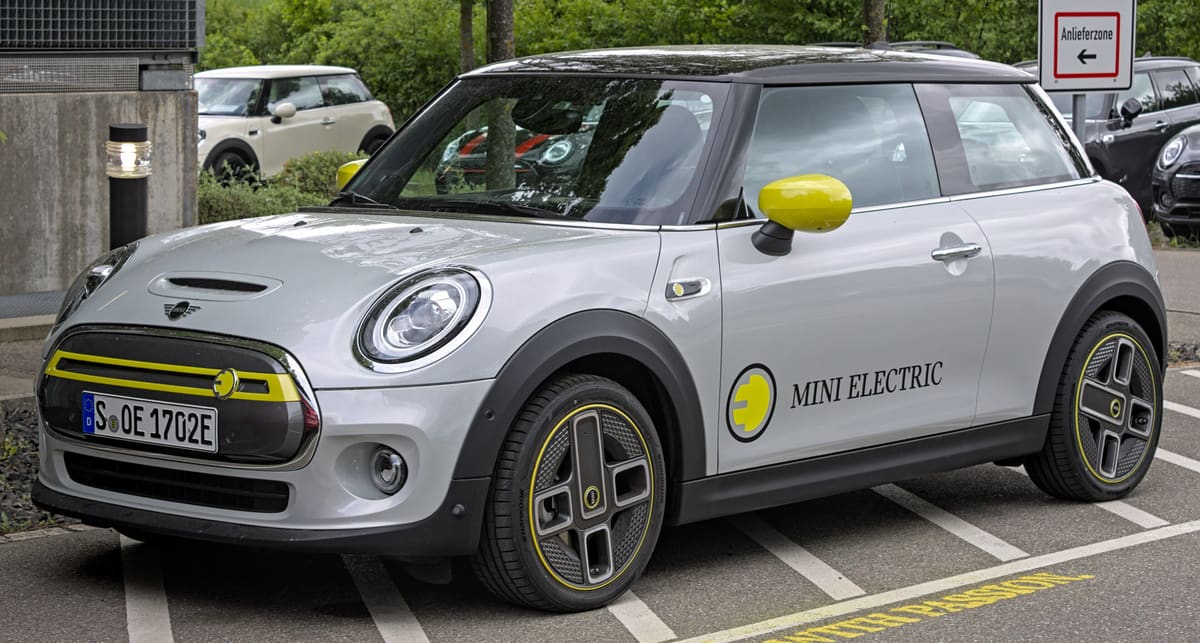
The Mini Electric is a popular choice among eco-conscious drivers, but like any vehicle, it can face issues during its MOT. Common failures include problems with the brakes, lights, and suspension. Addressing these issues can vary in cost, but being aware of them can help you maintain your vehicle effectively.
Brake System Issues
The braking system is one of the most critical components of any vehicle, and the Mini Electric is no exception. Common MOT failures related to brakes include worn brake pads, discs, or issues with the brake fluid.
Regular checks and maintenance can prevent these issues from becoming serious.
Lighting Failures
Lighting failures are another frequent cause of MOT failures for the Mini Electric. This can include issues with headlights, brake lights, or indicators not functioning correctly.
Ensuring all lights are functioning before an MOT can save time and money.
Suspension Problems
Suspension issues can significantly affect the Mini Electric’s handling and comfort. Common failures include worn shock absorbers or damaged springs.
Regularly inspecting the suspension system can help identify problems early, preventing more costly repairs down the line.
Tyre Condition
Tyres are crucial for safety and performance, and their condition is a common MOT failure point. Issues can include insufficient tread depth or uneven wear.
Regularly checking tyre pressure and tread depth can help maintain their condition and prolong their lifespan.
Battery and Electrical Systems
The Mini Electric relies heavily on its battery and electrical systems, which can lead to MOT failures if not properly maintained. Common issues include battery health and electrical faults.
Regular diagnostics can help catch these issues early.
Exhaust and Emissions
While the Mini Electric is an electric vehicle and does not have a traditional exhaust system, it may still face emissions-related checks. Any issues with the vehicle’s energy efficiency or battery management system can lead to MOT failures.
Keeping the vehicle’s software up to date can help prevent these issues from arising.
By being aware of these common MOT failures and their associated costs, Mini Electric owners can take proactive steps to maintain their vehicles and ensure they pass their next MOT. Regular maintenance and checks can go a long way in preventing costly repairs and keeping the vehicle in top condition.
Mini Electric recall record
1 recall has been issued for the Mini Electric, in 2024.
Integrated Braking System
R/2024/385Issued 13 September 2024
On certain vehicles the Integrated Brake (IB) system may be impaired due to contamination between electrical contacts.
Remedy:Vehicles that may be affected by contamination are required to have the vehicle’s software updated which can detect signal interference before it occurs. If symptoms are detected you should refrain from use of the vehicle and the affected Integrated Brake (IB) system component will be replaced.
Affects cars built Mar 2023 to Aug 2024
A recall applies to a build range, not to every car of this model. Check a registration to see whether one specific vehicle has an outstanding recall.
Frequently asked questions
What is a mini electric mot?
A mini electric mot refers to a smaller, lightweight electric vehicle that is designed for urban driving. These vehicles are typically more compact and efficient, making them ideal for city use.
How do I know if a mini electric mot is right for me?
Consider your daily driving needs, such as distance and charging options. If you mainly drive short distances and have access to charging facilities, a mini electric mot could be a great fit.
What are the benefits of owning a mini electric mot?
Mini electric mots are environmentally friendly, often cheaper to run than petrol or diesel vehicles, and may qualify for government incentives. They also tend to have lower maintenance costs.
Are there any special charging requirements for mini electric mots?
Most mini electric mots can be charged at home using a standard plug socket, but a dedicated home charging point is recommended for faster charging. Public charging stations are also widely available.
What is the cost of insurance for a mini electric mot?
Insurance costs for mini electric mots can vary based on factors like the model, your driving history, and location. It's advisable to shop around for quotes to find the best deal.
Do I need a special driving licence for a mini electric mot?
No, you do not need a special driving licence to operate a mini electric mot. A standard UK driving licence is sufficient, as long as the vehicle meets legal requirements.
Can I use a mini electric mot for long journeys?
While mini electric mots are designed for urban use, some models can handle longer journeys with adequate planning for charging stops. Always check the vehicle's range and plan your route accordingly.
Sources
- DVSA vehicle safety recalls (Open Government Licence v3.0)