Running costs
MG 5 running costs: what UK ownership really costs
MG 5 UK running costs: fuel or electric, insurance group, road tax, servicing and depreciation.
Updated 10th October 2026 DVSA data: Across 14,154 recorded MOT tests, 10.7% failed.
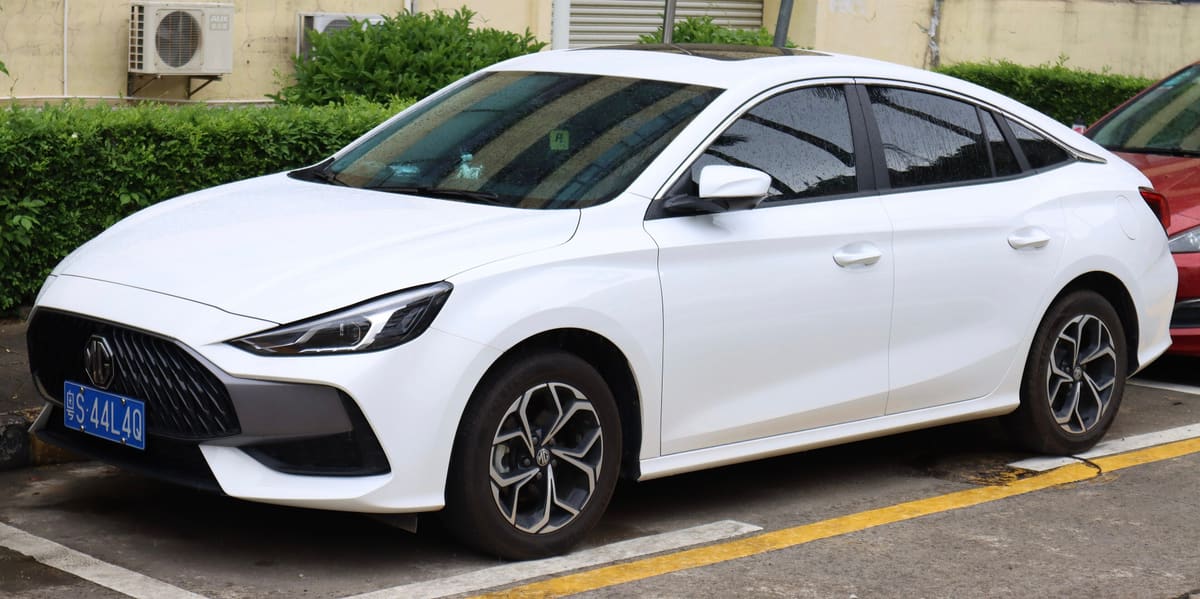
The MG 5’s running costs are influenced mainly by its electric powertrain, which lowers fuel expenses and reduces servicing demands compared to petrol or diesel cars. Tax treatment is favourable due to zero or low emissions, but insurance costs depend on factors like trim and driver profile. Its residual values are improving as electric vehicles gain popularity, though this varies by model and market conditions.
How Vehicle Tax Affects the MG 5
The MG 5 benefits from a tax system that encourages low-emission vehicles. Because it is fully electric, it typically qualifies for exemption from Vehicle Excise Duty (VED), commonly known as road tax, or pays a minimal amount. This means owners avoid the annual tax charges that petrol or diesel cars incur, especially those with higher emissions.
The UK government’s tax policy is designed to promote cleaner vehicles, so electric cars like the MG 5 are treated favourably. However, this favourable tax treatment can change if government policies evolve or if the car is used commercially. It is advisable to check the latest information on the official government website to confirm current tax obligations for the specific MG 5 model and usage.
Insurance Group and What Influences MG 5 Premiums
Insurance costs for the MG 5 are influenced by its insurance group rating, which is determined by factors such as repair costs, vehicle value, engine power, and safety features. Electric cars sometimes attract higher premiums because repairs can be more specialised and costly, especially concerning battery components.
Trim levels and optional extras also affect insurance groups. For example, a model with advanced safety technology may attract lower premiums, while a higher-spec version with more expensive parts might push the insurance group up. Driver profile, location, and claims history remain significant factors in the final insurance quote.
To get an accurate insurance estimate, prospective buyers should obtain quotes tailored to their circumstances and the exact MG 5 trim they are considering. Insurance comparison tools on the market can help provide personalised figures.
Servicing and Maintenance Demands
One of the key advantages of the MG 5 is its relatively low servicing requirements compared to internal combustion engine vehicles. Electric cars have fewer moving parts, no oil changes, no spark plugs, and no exhaust systems, which reduces the frequency and cost of routine maintenance.
The MG 5’s servicing mainly focuses on battery health checks, brake system inspections, tyre condition, and software updates. Brake wear is often reduced due to regenerative braking, which helps extend component life. However, battery maintenance and potential replacement costs are important considerations over the long term.
Service intervals may be longer or less demanding, but it is important to follow the manufacturer’s recommended schedule to maintain warranty coverage and ensure the vehicle remains in good condition. Servicing costs can vary depending on whether work is done at a main dealer or an independent specialist.
Fuel and Energy Costs Compared to Petrol and Diesel
Running an MG 5 is generally cheaper in terms of energy costs because electricity tends to be less expensive than petrol or diesel on a per-mile basis. Charging at home overnight during off-peak hours can further reduce costs, while public charging stations may have different pricing structures.
The efficiency of electric motors means that energy consumption is more predictable and less affected by driving style or traffic conditions compared to combustion engines. However, charging infrastructure availability and electricity tariffs will influence overall running costs.
Drivers should consider their typical daily mileage and access to charging facilities to estimate realistic energy expenses. Using smart charging solutions and taking advantage of lower tariffs can help keep costs down.
Residual Values and Depreciation Trends
The MG 5’s residual values are influenced by the growing acceptance of electric vehicles and improvements in battery technology. As electric cars become more mainstream, their depreciation rates are becoming more favourable compared to early-generation models.
Factors affecting the MG 5’s resale value include battery condition, mileage, vehicle age, and market demand for electric cars. Trim levels and optional features can also impact desirability on the used market.
While electric vehicles historically depreciated faster due to concerns about battery life, this trend is shifting as warranties improve and second-hand buyers become more confident. Prospective buyers should monitor market conditions and consider how long they intend to keep the car when evaluating depreciation.
Summary of Running Cost Drivers
The MG 5’s running costs are primarily driven by its electric drivetrain, which reduces fuel and servicing expenses. Tax advantages for zero-emission vehicles further lower ownership costs. Insurance premiums vary with trim and driver factors, while residual values are improving as electric vehicles gain popularity. Understanding these elements helps buyers make informed decisions about the total cost of ownership.
MG 5 MOT record
From 14,154 recorded MOT tests, 10.7% failed.
| Registered | Tests | Failed | Median mileage |
|---|---|---|---|
| 2023 | 657 | 9.4% | 42,091 mi |
| 2022 | 8,057 | 11.7% | 36,956 mi |
| 2021 | 5,211 | 9.4% | 43,824 mi |
| 2020 | 229 | 8.7% | 44,429 mi |
Most common reasons for failure
- Tyre tread depth not in accordance with the requirements42.1%
- A tyre seriously damaged19.1%
- A shock absorber damaged to the extent that it does not function or showing signs of severe leakage17.5%
- A headlamp or light source missing, inoperative or more than ½ not functioning in the case of LED11.6%
- A suspension pin, bush or joint excessively worn9.7%
Figures cover every MG 5 tested in the DVSA dataset, not this specific car. Check a registration for the actual history of one vehicle.
Frequently asked questions
What should I check to keep the MG 5’s battery in good condition?
Regularly inspect the 12-volt auxiliary battery for corrosion on the terminals and ensure it holds charge properly. If the car shows warning lights related to the battery or electrical system, a garage can perform a load test to assess its health.
How often does the MG 5 need brake pad replacement?
Brake pads on the MG 5 typically require replacement when you hear squealing noises or feel reduced braking performance. A visual check of the brake discs and pads during servicing can help spot wear before it affects safety.
Are there any specific tyres recommended for the MG 5 to manage running costs?
Using tyres that match the manufacturer’s recommended size and type helps maintain efficiency and handling. Check the sidewall for the correct tyre code and look for even tread wear to avoid premature replacements.
What maintenance is needed for the MG 5’s electric motor system?
The electric motor itself is largely maintenance-free, but the cooling system and associated wiring should be inspected during routine servicing. Watch for any unusual noises or warning lights indicating motor or inverter issues.
How can I monitor the MG 5’s tyre pressure to improve efficiency?
The MG 5 is equipped with a tyre pressure monitoring system that alerts you if pressure drops. Regularly check the pressure manually with a gauge, especially before long trips, to ensure optimal contact and reduce unnecessary wear.
What should I expect when servicing the MG 5’s coolant system?
Servicing involves checking the coolant level and condition, as well as inspecting hoses and the radiator for leaks. Proper coolant circulation is vital to prevent overheating of the battery and electric motor components.
Does the MG 5 require special oil changes like petrol or diesel cars?
Since the MG 5 is an electric vehicle, it does not require engine oil changes. However, the gearbox oil and other fluids should be checked and replaced according to the service schedule to keep the drivetrain running smoothly.
What are signs that the MG 5’s suspension needs attention?
If you notice unusual noises over bumps or a rough ride, the suspension components such as shock absorbers or bushes might be worn. A garage can perform a visual and physical check to identify any parts needing replacement.
Sources
- DVSA anonymised MOT tests and results (Open Government Licence v3.0)