Running costs
Mazda 3 running costs: what UK ownership really costs
Mazda 3 UK running costs: fuel or electric, insurance group, road tax, servicing and depreciation.
Updated 5th October 2026 DVSA data: Across 103,954 recorded MOT tests, 26.1% failed.
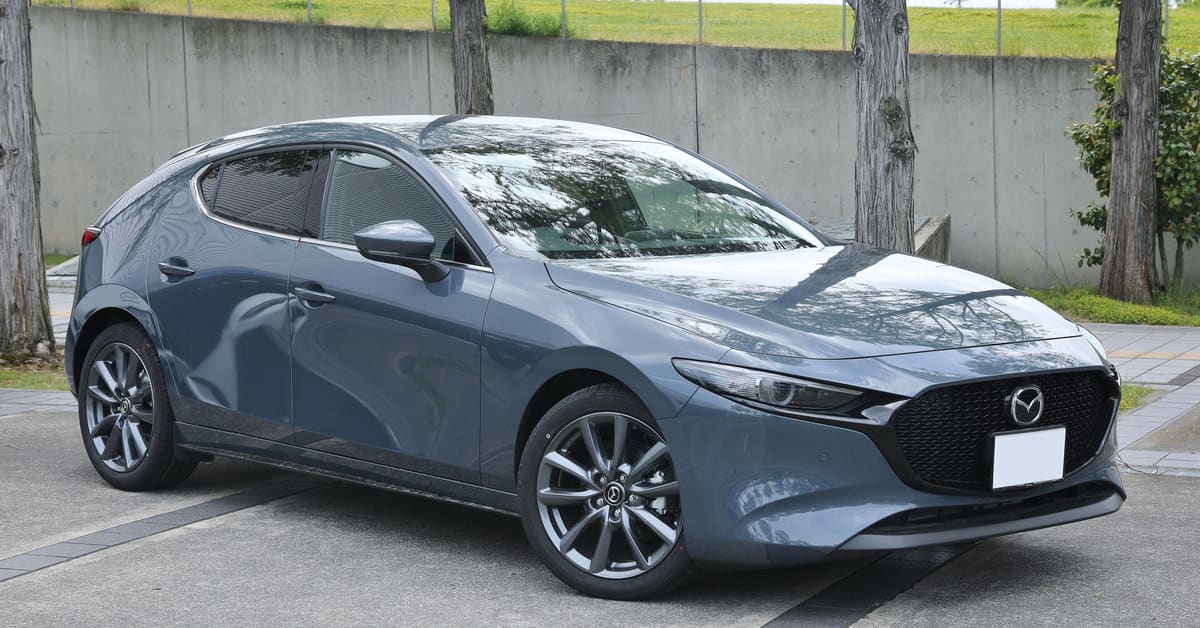
The Mazda 3’s running costs are shaped by its taxation category, insurance group, servicing demands, and depreciation profile. Its efficient engines and moderate emissions often keep tax manageable, while insurance depends on model specifics and driver factors. Routine servicing is straightforward but must be adhered to, and the car’s residual values tend to be steady, reflecting its reputation for reliability and appeal.
Vehicle Tax and How It Affects Mazda 3 Running Costs
The cost of vehicle tax for the Mazda 3 depends primarily on its CO2 emissions and fuel type, as defined by the UK government’s vehicle tax bands. Lower-emission petrol or diesel versions generally attract lower tax rates, while higher-performance or less efficient variants fall into higher bands. The tax system is designed to encourage cleaner vehicles, so trims with advanced engine technology or mild hybrid systems can benefit from reduced charges.
Because the Mazda 3 is available with a range of engines and emissions levels, prospective buyers should check the official government vehicle tax tool to see the exact rate for the model and trim they are interested in. This is especially important as tax bands can change with model updates or new regulations. Additionally, first-year tax rates can be higher for new cars with higher emissions, while standard annual rates apply thereafter.
Diesel variants may be subject to additional charges such as the diesel supplement or the London Ultra Low Emission Zone fees, depending on their emissions compliance. Petrol models typically avoid these but can still vary in tax cost depending on engine size and emissions. Overall, the Mazda 3’s tax burden is moderate, reflecting its generally efficient engine options.
Insurance Group and Its Impact on Running Costs
The Mazda 3’s insurance group rating is influenced by factors such as engine power, repair costs, safety features, and theft risk. Models with smaller engines or less powerful trims usually fall into lower insurance groups, making them cheaper to insure. Conversely, sportier or higher-spec versions with more performance-oriented engines tend to be placed in higher groups, increasing premiums.
Insurance costs also depend heavily on the driver’s profile, including age, location, driving history, and no-claims bonus. The Mazda 3’s reputation for safety and reliability can help keep premiums reasonable, but it is essential to obtain personalised insurance quotes to understand the true cost. Comparing quotes from multiple insurers is advisable to find the best deal.
The car’s security features, such as immobilisers and alarms, can reduce insurance costs by lowering theft risk. Additionally, the availability of parts and repair complexity affects repair costs, which insurers factor into premiums. The Mazda 3’s relatively common status and straightforward engineering generally mean parts are accessible and repairs are not overly expensive, helping to moderate insurance group placement.
Servicing and Maintenance Demands
Servicing the Mazda 3 is generally straightforward, with routine maintenance intervals designed to keep the car running efficiently and reliably. Regular oil changes, brake checks, and fluid top-ups are standard, while more comprehensive inspections occur at longer intervals. The cost and frequency of servicing depend on the engine type and trim level, with diesel engines sometimes requiring additional care such as diesel particulate filter maintenance.
The Mazda 3 benefits from a well-established dealer and independent garage network, making parts and servicing widely available. This accessibility can help keep maintenance costs competitive. Following the manufacturer’s recommended service schedule is important to maintain warranty coverage and ensure long-term reliability.
Some trims may feature advanced technology like stop-start systems or mild hybrid components, which can add slight complexity to servicing but generally do not significantly increase costs. Tyre wear and brake pad replacement are typical running costs that vary with driving style and conditions but are not unusually demanding for this model.
Fuel Economy and Its Role in Running Costs
Fuel economy is a key factor in the Mazda 3’s running costs, influenced by engine size, transmission type, and driving conditions. The car’s efficient petrol and diesel engines are designed to balance performance with economy, helping to keep fuel bills reasonable. However, actual fuel consumption will vary depending on whether the car is driven mostly in urban stop-start traffic or on longer motorway journeys.
Choosing a manual or automatic transmission also impacts fuel use, with manuals often offering slightly better economy but automatics providing ease of use in heavy traffic. The Mazda 3’s engine technology, such as variable valve timing and direct injection, contributes to optimising fuel efficiency across the range.
Drivers should consider their typical journey patterns and fuel prices when evaluating the Mazda 3’s running costs. Regular maintenance, correct tyre pressures, and smooth driving habits can improve fuel economy and reduce overall expenditure.
Depreciation and Residual Value
The Mazda 3 tends to hold its value reasonably well compared to many competitors, thanks to its strong reputation for build quality, reliability, and driving enjoyment. Depreciation is influenced by factors such as mileage, condition, trim level, and market demand. Well-maintained examples with full service history and popular specifications generally command better resale prices.
Mazda’s consistent styling and practical interior appeal help the 3 remain desirable in the used car market. Models with higher specification levels or desirable features may retain value better, but this can vary with changing tastes and technological advancements.
Buyers looking to minimise running costs should consider the likely depreciation when purchasing the Mazda 3, as this affects total cost of ownership. Keeping the car in good condition, avoiding excessive mileage, and choosing popular trims can help preserve residual value.
Summary of Running Cost Drivers
The Mazda 3’s running costs are shaped by a combination of taxation, insurance, servicing, fuel consumption, and depreciation factors. Its efficient engines help keep tax and fuel costs moderate, while insurance premiums depend on model specifics and driver profile. Routine servicing is manageable, supported by a broad network of service providers. The car’s steady depreciation reflects its appeal and reliability, making it a sensible choice for cost-conscious buyers. Checking specific trim details and obtaining personalised quotes for tax and insurance are essential steps to understand the true running costs for any particular Mazda 3.
Mazda 3 recall record
7 recalls have been issued for the Mazda 3, between 2006 and 2017.
MOUNTING POINTS FOR SEAT RUNNER MAY FAIL
R/2017/150Issued 31 May 2017
One or more of the mounting points between the runner and the driver�s seat may fail.
Remedy:On affected vehicles inspect the driver�s seat frame to determine if seat lifter links are damaged. If no damage is evident fit reinforcement brackets and �push nuts�. If damage is present to the seat lifter link replace seat frame. If damage is restricted to stabilizer bar then the bar will be repaired plus brackets and� push nuts� fitted.
Affects cars built Feb 2009 to Sept 2010
ENGINE MAY STALL
R/2014/134Issued 21 October 2014
Engine may not restart when customer expects after i-stop operation. Although check engine light on dashboard will illuminate.
Remedy:Recall the vehicles that are likely to be affected and re-programme the engine Power Control Module (PCM) with a modified calibration.
Affects cars built Oct 2013 to Feb 2014
WIPER MOTOR MAY FAIL
R/2011/071Issued 12 July 2011
Front windscreen motor may suddenly stop operating. The cause of the problem is due to a poor electrical earth connection.
Remedy:The remedy is a fitment of an additional earth wire between the wiper motor and body of the vehicle.
Affects cars built Jan 2008 to Dec 2008
ENGINE REVS MAY INCREASE INADVERTENTLY
R/2008/194Issued 9 February 2009
It is possible that white smoke can occur from the exhaust pipe and engine speed may increase whilst driving.
Remedy:Recall affected vehicles and replace Power Control Module.
Affects cars built Dec 2006 to Nov 2008
3 older recalls not shown.
A recall applies to a build range, not to every car of this model. Check a registration to see whether one specific vehicle has an outstanding recall.
Mazda 3 MOT record
From 103,954 recorded MOT tests, 26.1% failed.
| Registered | Tests | Failed | Median mileage |
|---|---|---|---|
| 2022 | 2,506 | 5.3% | 22,591 mi |
| 2021 | 3,997 | 7.5% | 28,145 mi |
| 2020 | 4,240 | 9.3% | 33,308 mi |
| 2019 | 4,394 | 9.5% | 39,223 mi |
| 2018 | 6,938 | 14.8% | 46,987 mi |
| 2017 | 8,129 | 23.3% | 56,138 mi |
| 2016 | 10,414 | 23.9% | 65,188 mi |
| 2015 | 11,563 | 26.9% | 74,014 mi |
Most common reasons for failure
- A suspension pin, bush or joint excessively worn27.2%
- Tyre tread depth not in accordance with the requirements22.3%
- A suspension component excessively damaged or corroded20.7%
- A tyre seriously damaged15.4%
- a brake lining or pad worn below 1.5mm14.4%
Figures cover every Mazda 3 tested in the DVSA dataset, not this specific car. Check a registration for the actual history of one vehicle.
Mazda 3 official figures
Median across 69 variants on sale, petrol, petrol electric.
- Combined economy
- 47.9 mpg
- WLTP median across variants
- CO2 emissions
- 133 g/km
- Sets the first-year tax rate
Official figures for new cars. Real economy varies with driving, load and conditions.
Frequently asked questions
How often should I service the Mazda 3 to keep running costs low?
Mazda recommends servicing the 3 at regular intervals, typically every 12 months or after a set mileage. During a service, mechanics check components like the spark plugs and brake pads to ensure efficient running and avoid costly repairs later.
What are the typical maintenance tasks that affect the Mazda 3’s running costs?
Routine maintenance includes oil changes, replacing the air filter, and checking the timing chain tensioner. The timing chain is crucial for engine timing and can cause expensive damage if neglected, so keeping it in good condition helps control costs.
Does the Mazda 3 have any warning lights I should watch out for to avoid expensive repairs?
Yes, the engine management light can indicate issues with components such as the oxygen sensor or catalytic converter. If this light appears, it’s wise to get a diagnostic check promptly to prevent further damage.
Are tyre replacements a significant part of the Mazda 3’s running costs?
Tyre wear depends on driving style and road conditions, but the Mazda 3 uses standard tyre sizes that are widely available. Regularly checking tyre tread depth and pressure can extend tyre life and improve fuel efficiency.
How does fuel type affect the running costs of a Mazda 3?
The Mazda 3 is designed to run on unleaded petrol, and using the recommended fuel grade helps maintain engine performance. Using lower-grade fuel can lead to knocking and potential damage to the engine’s knock sensor.
What should I check before buying a used Mazda 3 to estimate future running costs?
Inspect the condition of the clutch and gearbox, especially if it’s a manual model. A worn clutch can cause slipping and costly replacement. Also, check service history for regular oil and filter changes, which indicate good maintenance.
How often does the Mazda 3 require brake pad replacement?
Brake pads typically need replacing every 20,000 to 30,000 miles, but this varies with driving habits. Listen for squealing noises or a spongy brake pedal, which are signs the pads are worn and should be checked by a garage.
Is the Mazda 3 expensive to insure compared to other cars in its class?
Insurance costs depend on factors like engine size and driver history, but the Mazda 3 generally falls into moderate insurance groups. Features such as immobilisers and alarm systems can help reduce premiums.
Sources
- DVSA anonymised MOT tests and results (Open Government Licence v3.0)
- VCA new car fuel consumption and emissions data (Open Government Licence v3.0)
- DVSA vehicle safety recalls (Open Government Licence v3.0)