Running costs
Mazda 2 running costs: what UK ownership really costs
Mazda 2 UK running costs: fuel or electric, insurance group, road tax, servicing and depreciation.
Updated 11th October 2026 DVSA data: Across 125,016 recorded MOT tests, 24.9% failed.
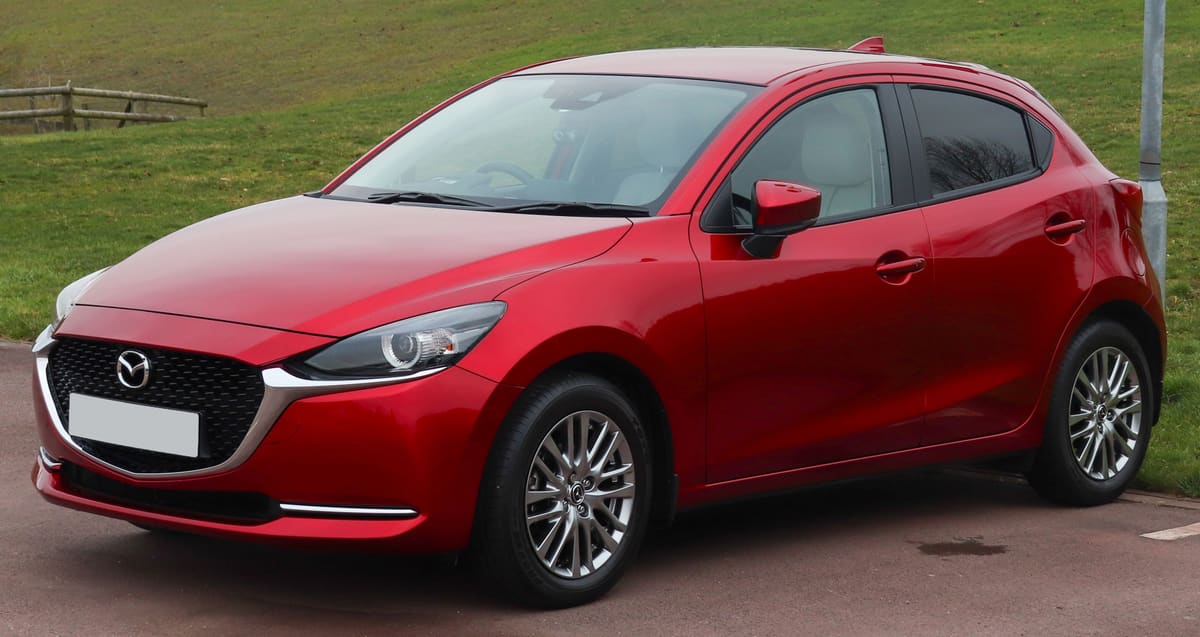
The Mazda 2 offers relatively economical running costs driven by its modest engine sizes and efficient design, but actual expenses depend on trim and usage. Vehicle tax is influenced by CO2 emissions and fuel type, while insurance groups reflect safety features and repair costs. Servicing is straightforward, with intervals and parts costs typical for a supermini. Residual values tend to be steady, supported by Mazda’s reputation for reliability.
Vehicle Tax and Its Impact on Running Costs
Vehicle tax for the Mazda 2 is determined primarily by its CO2 emissions and fuel type, as set out by the UK government’s tax bands. Petrol and diesel variants are taxed differently, with lower-emission models attracting reduced rates. This means that a Mazda 2 with a smaller petrol engine will generally incur lower annual tax than higher-output or diesel versions.
The government’s tax system encourages buyers to choose efficient vehicles, so selecting a trim with lower emissions can significantly reduce yearly costs. Additionally, some older models may fall under different tax rules, so it is important to check the specific vehicle’s tax band on the official government website before purchase.
Tax rates can also vary depending on whether the car is new or used, with new cars often subject to a first-year rate based on emissions, followed by a standard rate. Understanding these rules helps owners anticipate the ongoing tax expense of running a Mazda 2.
Insurance Group and What Influences It
The Mazda 2’s insurance group rating is influenced by factors such as engine size, repair costs, safety equipment, and theft risk. Smaller engines and lower repair costs generally place the Mazda 2 in moderate insurance groups, making it affordable for many drivers, including younger or less experienced ones.
Safety features like multiple airbags, stability control, and advanced braking systems can help keep insurance premiums down by reducing the risk and severity of accidents. Conversely, higher-performance trims or those with expensive body parts can push the insurance group higher.
Insurance quotes vary widely depending on the driver’s profile, location, and claims history, so it is advisable to obtain personalised quotes from comparison sites. This will give a clearer picture of how much the Mazda 2 will cost to insure for your circumstances.
Servicing and Maintenance Demands
The Mazda 2 benefits from straightforward servicing requirements typical of small petrol or diesel cars. Routine maintenance usually involves oil and filter changes, brake checks, tyre inspections, and fluid top-ups at regular intervals. These services are generally affordable and widely available at both main dealers and independent garages.
Parts such as brake pads, tyres, and filters are commonly stocked and competitively priced, helping to keep running costs manageable. Some trims may have specific service needs, such as timing belt replacements or additional checks on turbocharged engines, so it is important to follow the manufacturer’s recommended service schedule.
Regular servicing helps maintain reliability and fuel efficiency, which in turn reduces the likelihood of costly repairs. Mazda’s reputation for robust engineering means that, with proper care, the Mazda 2 should not demand excessive maintenance expenditure.
Fuel Economy and Its Role in Running Costs
Fuel economy is a key factor in the Mazda 2’s running costs, influenced by engine size, transmission type, and driving style. Smaller engines and manual gearboxes tend to offer better fuel efficiency, while automatic transmissions or more powerful variants may consume more fuel.
Driving conditions also play a role; city driving with frequent stops generally results in higher fuel consumption compared to steady motorway cruising. Choosing a trim with efficient engine technology can help reduce fuel bills over time.
While exact fuel economy figures vary by model and trim, the Mazda 2 is designed to be economical to run, making it a practical choice for daily commuting and urban use. Checking official fuel consumption figures for the specific variant you are interested in will provide the most accurate guidance.
Depreciation and Residual Value
The Mazda 2 tends to hold its value reasonably well compared to other superminis, thanks to Mazda’s reputation for reliability and build quality. Depreciation rates are influenced by factors such as mileage, condition, trim level, and market demand.
Models with popular engine options and well-equipped trims usually retain value better, while less common or higher-mileage versions may depreciate faster. Regular servicing and maintaining the car’s condition can help preserve its resale price.
Mazda’s strong brand image and the Mazda 2’s practical appeal contribute to steady residual values, making it a sensible choice for buyers concerned about long-term ownership costs. Prospective owners should consider how trim and specification affect depreciation when selecting a model.
Mazda 2 recall record
4 recalls have been issued for the Mazda 2, between 2016 and 2017.
MOUNTING POINTS FOR SEAT RUNNER MAY FAIL
R/2017/150Issued 31 May 2017
One or more of the mounting points between the runner and the driver�s seat may fail.
Remedy:On affected vehicles inspect the driver�s seat frame to determine if seat lifter links are damaged. If no damage is evident fit reinforcement brackets and �push nuts�. If damage is present to the seat lifter link replace seat frame. If damage is restricted to stabilizer bar then the bar will be repaired plus brackets and� push nuts� fitted.
Affects cars built Jun 2007 to Sept 2010
FUEL MAY LEAK
R/2016/186Issued 31 August 2016
On affected vehicles silicone may have adhered to the welding surface of the rollover valve (ROV) fitted to the fuel tank during production The presence of silicone may have an effect on the welding causing the possibility of a fuel leak.
Remedy:Replace fuel tank on affected vehicles.
Affects cars built Jan 2015 to Jan 2015
FUEL MAY LEAK
R/2017/054Issued 31 August 2016
Silicone may have adhered to the welding surface of the roll-over valve (ROV) fitted to the fuel tank. The presence of silicone may have an effect on the welding causing the possibility of a fuel leak.
Remedy:On affected vehicles replace the fuel tank.
Affects cars built Jan 2015 to Jan 2015
STEERING MAY FAIL
R/2016/143Issued 30 June 2016
The lower nut & bolt securing the front shock absorber to the steering knuckle on either side of the affected vehicles may not have been tightened to specification. The bolt may work loose causing a rattling sound and could fall out.
Remedy:On affected vehicles replace bolts retaining the front shock absorbers to steering knuckles
Affects cars built Dec 2012 to Oct 2014
A recall applies to a build range, not to every car of this model. Check a registration to see whether one specific vehicle has an outstanding recall.
Mazda 2 MOT record
From 125,016 recorded MOT tests, 24.9% failed.
| Registered | Tests | Failed | Median mileage |
|---|---|---|---|
| 2023 | 233 | 6.0% | 17,130 mi |
| 2022 | 3,980 | 4.8% | 16,827 mi |
| 2021 | 3,538 | 5.7% | 21,374 mi |
| 2020 | 4,022 | 6.6% | 25,873 mi |
| 2019 | 8,270 | 8.8% | 31,082 mi |
| 2018 | 7,930 | 11.0% | 38,716 mi |
| 2017 | 7,568 | 14.5% | 45,210 mi |
| 2016 | 9,966 | 17.8% | 53,647 mi |
Most common reasons for failure
- Brake pipe damaged or excessively corroded22.9%
- Tyre tread depth not in accordance with the requirements22.6%
- A suspension pin, bush or joint excessively worn20.3%
- A tyre seriously damaged19.9%
- A spring or spring component fractured or seriously weakened14.2%
Figures cover every Mazda 2 tested in the DVSA dataset, not this specific car. Check a registration for the actual history of one vehicle.
Mazda 2 official figures
Median across 28 variants on sale, petrol electric.
- Combined economy
- 74.3 mpg
- WLTP median across variants
- CO2 emissions
- 87 g/km
- Sets the first-year tax rate
Official figures for new cars. Real economy varies with driving, load and conditions.
Frequently asked questions
How often does the Mazda 2 need an oil change?
Mazda recommends changing the engine oil and oil filter regularly to keep the 1.5-litre Skyactiv engine running smoothly. You can check the oil level using the dipstick and look for dark or gritty oil as a sign it needs replacing.
What should I know about the Mazda 2’s timing chain maintenance?
The Mazda 2 uses a timing chain rather than a belt, which generally requires less frequent replacement. However, listen for rattling noises from the engine at startup, as this can indicate chain tensioner wear needing a garage inspection.
Are Mazda 2 brake pads expensive to replace?
Replacing brake pads on a Mazda 2 is a routine job. You might notice squealing or reduced braking performance as signs the pads are worn. Checking the brake fluid level is also important to maintain braking efficiency.
Does the Mazda 2 require special tyres or can I use standard ones?
The Mazda 2 typically runs on standard tyres sized to the trim level. It’s important to check the tyre pressure regularly and look for uneven wear, which might suggest alignment issues or suspension checks are needed.
What are the common warning lights to watch for on a Mazda 2?
Keep an eye on the engine management light, which can indicate issues with components like the oxygen sensor or catalytic converter. Also, the tyre pressure warning light alerts you to low pressure that should be addressed promptly.
How often should the Mazda 2’s air filter be replaced?
The air filter should be inspected during routine servicing and replaced if it appears dirty or clogged. A blocked air filter can reduce engine efficiency and cause rough idling, so checking it every 12,000 miles or so is advisable.
Is the Mazda 2 expensive to insure compared to other superminis?
Insurance costs depend on your personal details and the specific Mazda 2 trim, but the car’s modest engine size and safety features like ABS and multiple airbags generally help keep premiums reasonable.
What should I check before buying a used Mazda 2 regarding running costs?
Look for service history focusing on oil changes, brake servicing, and timing chain condition. Also, check for any warning lights on the dashboard and test the air conditioning system, as repairs here can add to running costs.
Sources
- DVSA anonymised MOT tests and results (Open Government Licence v3.0)
- VCA new car fuel consumption and emissions data (Open Government Licence v3.0)
- DVSA vehicle safety recalls (Open Government Licence v3.0)