Running costs
Lexus UX running costs: what UK ownership really costs
Lexus UX UK running costs: fuel or electric, insurance group, road tax, servicing and depreciation.
Updated 14th October 2026 DVSA data: Across 15,710 recorded MOT tests, 3.9% failed.
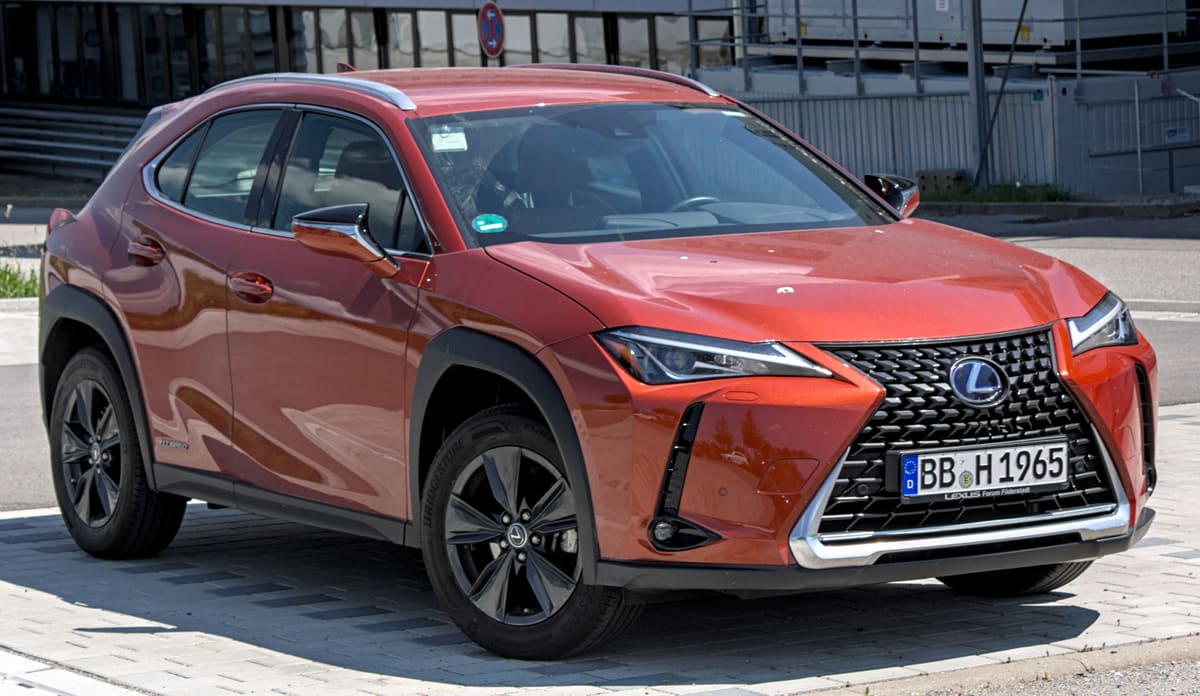
The Lexus UX’s running costs are influenced by its hybrid powertrain, insurance grouping, and servicing requirements. Its tax treatment benefits from low emissions, while insurance costs can vary by model and driver profile. Servicing is straightforward but can be pricier than mainstream rivals. Residual values tend to be strong, reflecting Lexus’s reputation for reliability and quality.
How Vehicle Tax Affects the Lexus UX
The Lexus UX benefits from the UK’s vehicle tax system that favours low-emission cars. Since it is a hybrid, it generally emits fewer CO2 emissions than conventional petrol or diesel vehicles, which places it in lower Vehicle Excise Duty (VED) bands. This means the annual tax cost is typically less than that of many traditional combustion-engine SUVs.
Vehicle tax rates are set according to CO2 emissions, so the UX’s hybrid system helps keep this cost down. However, exact tax costs depend on the specific model and trim, as emissions can vary. For the most accurate and up-to-date tax information, it is best to consult the official government website where you can check the tax band for the exact variant you are interested in.
Insurance Group and What Influences It
Insurance group ratings for the Lexus UX depend on factors such as engine size, repair costs, and vehicle security features. The hybrid powertrain and premium build quality can push the insurance group higher than some mainstream compact SUVs, reflecting the potentially higher cost of repairs and replacement parts.
Driver profile, location, and claims history also significantly affect insurance premiums. For example, younger drivers or those with less experience may face higher costs. The UX’s advanced safety features and driver aids can help reduce premiums, as insurers value cars that are less likely to be involved in accidents.
To get a precise insurance quote, it is advisable to use comparison tools that consider your personal details and the exact model of the UX you want. This will give a clearer picture of the insurance cost you can expect.
Servicing and Maintenance Demands
The Lexus UX’s servicing schedule is designed to be manageable but may be more expensive than some non-premium rivals. Hybrid technology requires specialist knowledge, particularly concerning the battery and electric motor components, which can increase labour costs during servicing.
Routine maintenance includes oil changes, brake checks, and inspections of the hybrid system. Lexus typically recommends servicing intervals that balance reliability with cost-effectiveness, but the exact schedule depends on usage and model year. Parts such as brake pads may last longer due to regenerative braking, which reduces wear.
While servicing costs can be higher than average, the UX’s reputation for reliability means fewer unexpected repairs. It is important to follow the manufacturer’s service plan to maintain warranty coverage and ensure the vehicle remains in good condition.
Fuel Costs and Hybrid Efficiency
The Lexus UX’s hybrid system is designed to improve fuel efficiency by combining a petrol engine with electric motors. This setup reduces fuel consumption, especially in urban driving where electric power can be used more frequently. The result is lower fuel costs compared to similar-sized petrol or diesel SUVs.
However, actual fuel savings depend on driving style, route, and conditions. Longer motorway journeys may rely more on the petrol engine, reducing the hybrid’s efficiency advantage. It is also worth noting that hybrid batteries degrade over time, although Lexus hybrids are engineered for durability.
Owners should consider that the UX’s fuel economy can vary between trims and model years, so checking the specific details for the version you plan to buy is important.
Depreciation and Residual Value
Lexus vehicles, including the UX, tend to hold their value well in the UK market. This is due to the brand’s reputation for build quality, reliability, and strong customer satisfaction. The hybrid technology also appeals to buyers looking for economical and environmentally friendly vehicles, supporting residual values.
Depreciation rates are influenced by factors such as mileage, condition, and market demand. The UX’s premium positioning means it may depreciate more slowly than mainstream compact SUVs, but faster than some luxury models with more exclusive appeal.
Maintaining service history and keeping the vehicle in good condition are key to maximising resale value. Buyers should also be aware that newer model updates or changes in hybrid technology can affect the desirability of older versions.
Other Running Costs to Consider
Tyre replacement, repairs, and consumables like brake fluid and coolant contribute to the overall running costs of the Lexus UX. Tyres for the UX may be more specialised or larger than those on smaller cars, potentially increasing replacement costs.
The hybrid system’s regenerative braking reduces wear on brake pads, which can lower maintenance costs in that area. However, when repairs are needed, parts and labour for hybrid components can be pricier than for conventional vehicles.
Insurance excesses, parking charges, and potential congestion or low emission zone fees should also be factored into the total cost of ownership. The UX’s low emissions may help avoid some urban charges, but this depends on local regulations.
For detailed information on vehicle tax bands, visit the official government website. To obtain accurate insurance quotes tailored to your circumstances and the specific Lexus UX model, use reputable online comparison tools. This will give you a clearer understanding of the true running costs before making a purchase decision.
Lexus UX recall record
3 recalls have been issued for the Lexus UX, between 2019 and 2025.
Parking Assist ECU reprogram on multiple models
R/2025/467Issued 1 December 2025
For certain vehicles equipped with a Parking Assist ECU a component of the Panoramic View Monitor (PVM) system that displays the rear view image the software may cause the rear view image to freeze or not display
Remedy:Reprogram the parking assist ECU.
Affects cars built Mar 2022 to Aug 2025
Due to the software programming for the DCM memory capacity there is a possibility that the DCM may not complete the shutdown process within a specific period of time when the ignition is turned off causing the DCM to not restart at the next ignition cycle and making the e-Call function unavailable.
R/2023/280Issued 12 October 2023
On affected vehicles there is a possibility that the DCM may not complete the shutdown process within a specific period of time when the ignition is turned off causing the DCM to not restart at the next ignition cycle and making the e-Call function unavailable. As a result the vehicles do not comply with relevant regulations.
Remedy:The software of the DCM (Data Communication Module) will be updated via an Over the Air (OTA) wireless update.
Affects cars built Jan 2023 to Jul 2023
THE EMERGENCY CALLING SYSTEM MAY NOT BE ENABLED
R/2019/123Issued 11 May 2019
There is a possibility that the emergency calling system has not been activated.
Remedy:Inspect and activate the emergency call system if necessary.
Affects cars built Oct 2018 to Mar 2019
A recall applies to a build range, not to every car of this model. Check a registration to see whether one specific vehicle has an outstanding recall.
Lexus UX MOT record
From 15,710 recorded MOT tests, 3.9% failed.
| Registered | Tests | Failed | Median mileage |
|---|---|---|---|
| 2022 | 3,470 | 3.0% | 21,152 mi |
| 2021 | 5,173 | 3.2% | 26,937 mi |
| 2020 | 3,777 | 4.8% | 33,868 mi |
| 2019 | 3,290 | 4.9% | 39,902 mi |
Most common reasons for failure
- A tyre seriously damaged44.3%
- Tyre tread depth not in accordance with the requirements31.7%
- Wiper blade missing or obviously not clearing the windscreen9.9%
- A tyre cords visible or damaged9.7%
- Brake disc or drum excessively weakened, insecure or fractured4.3%
Figures cover every Lexus UX tested in the DVSA dataset, not this specific car. Check a registration for the actual history of one vehicle.
Lexus UX official figures
Median across 17 variants on sale, electricity, petrol electric.
- Combined economy
- 54.3 mpg
- WLTP median across variants
- CO2 emissions
- 118 g/km
- Sets the first-year tax rate
- Electric range
- 280 miles
- Manufacturer WLTP figure
Official figures for new cars. Real economy varies with driving, load and conditions.
Frequently asked questions
What should I expect for servicing costs on a Lexus UX?
Servicing a Lexus UX typically involves checks and replacements like engine oil, oil filter, and air filter. The hybrid system’s battery and brake fluid levels also need inspection. Lexus recommends specific service intervals, so following the handbook ensures the hybrid components remain in good condition.
Are hybrid battery replacements expensive for the Lexus UX?
The Lexus UX uses a hybrid battery pack that is designed to last many years. If you notice warning lights related to the hybrid system or a sudden drop in electric assistance, it’s wise to have the battery checked by a specialist. Battery replacement is a major job but not commonly needed early on.
How often do I need to replace the brake pads on a Lexus UX?
Thanks to regenerative braking, the Lexus UX’s brake pads usually last longer than on conventional cars. However, you should still have them inspected during routine servicing. If you hear squealing noises or feel reduced braking performance, ask your garage to check the brake pads and discs.
Does the Lexus UX require special tyres or maintenance for running costs?
The Lexus UX often comes fitted with low rolling resistance tyres to improve efficiency. These tyres may wear differently, so regular checks for tread depth and pressure are important. Maintaining correct tyre pressure helps avoid uneven wear and keeps running costs down.
What are the typical signs of hybrid system issues in a Lexus UX?
If the hybrid system warning light appears on the dashboard, or if you experience unusual noises from the electric motor, it’s a sign to get the system diagnosed. Other symptoms include hesitation on acceleration or the petrol engine running more than usual, which could indicate battery or inverter problems.
Is the Lexus UX expensive to insure compared to other compact SUVs?
Insurance costs depend on many factors including your location and driving history. The Lexus UX’s hybrid technology and safety features might influence premiums. It’s best to get personalised quotes, but the model’s advanced safety systems can sometimes help reduce insurance group ratings.
How does the Lexus UX’s hybrid system affect fuel costs?
The hybrid system in the Lexus UX helps reduce fuel consumption by combining the petrol engine with an electric motor. You’ll notice lower fuel use in stop-start city driving where the electric motor assists more. Keeping the hybrid battery and related components in good condition is key to maintaining these savings.
What routine checks can I do to keep running costs low on my Lexus UX?
Regularly check tyre pressures, engine oil level, and brake fluid to avoid unnecessary wear. Listen for any unusual sounds from the hybrid system and watch for dashboard warning lights. Keeping up with scheduled servicing ensures components like the hybrid battery and inverter remain efficient, helping control running costs.
Sources
- DVSA anonymised MOT tests and results (Open Government Licence v3.0)
- VCA new car fuel consumption and emissions data (Open Government Licence v3.0)
- DVSA vehicle safety recalls (Open Government Licence v3.0)