Running costs
Land Rover Range Rover Sport running costs: what UK ownership really costs
Land Rover Range Rover Sport UK running costs: fuel or electric, insurance group, road tax, servicing and depreciation.
Updated 4th September 2026 DVSA data: Across 112,635 recorded MOT tests, 16.9% failed.
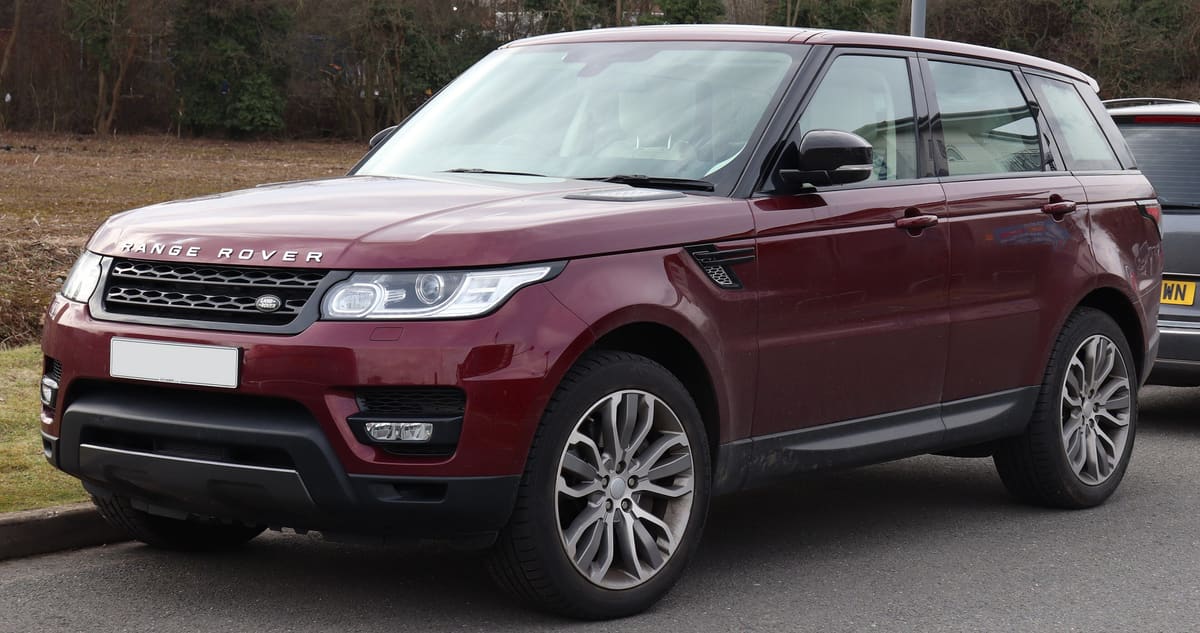
The running costs of a Land Rover Range Rover Sport can be significant, with factors including fuel consumption, insurance, tax, servicing, and depreciation. Owners should expect to budget for high fuel costs, insurance premiums based on the model, road tax, regular servicing, and a notable depreciation rate.
Fuel Costs
Fuel costs for the Range Rover Sport vary depending on the engine choice. The plug-in hybrid variant offers improved efficiency, with electric-only driving capabilities that can reduce overall fuel consumption significantly.
The hybrid model can help lower these costs, especially for urban driving, where electric-only mode is more frequently used.
Insurance Group
Insurance for the Range Rover Sport is generally in the higher brackets due to its luxury status and performance capabilities. Most models fall into insurance groups 40 to 50, meaning premiums can be substantial. Factors influencing insurance costs include the driver’s age, location, and driving history.
It’s advisable to shop around for quotes, as premiums can vary significantly between insurers. Some owners may find benefits in joining a club or using telematics-based insurance policies to potentially lower costs.
Tax Band
The Range Rover Sport’s tax band is determined by its CO2 emissions, which can vary widely between models. Most petrol variants fall into higher tax bands due to their emissions, while diesel models may also incur higher charges, especially those not meeting the latest emissions standards.
The plug-in hybrid variant benefits from lower tax rates, making it a more economical choice for environmentally conscious buyers.
Servicing Intervals
Servicing intervals for the Range Rover Sport are typically every 16,000 miles or 12 months, whichever comes first. Regular maintenance is crucial to ensure reliability and longevity, with costs varying based on the service type. minor or major.
Minor services generally cost less, while major services, which include more extensive checks and replacements, can be significantly more expensive. Owners should also factor in the cost of any additional repairs or parts that may be needed over time.
Depreciation
Depreciation is a significant consideration for Range Rover Sport owners. Luxury vehicles tend to depreciate faster than more mainstream models, with the Range Rover Sport losing around 50-60% of its value within the first three to five years.
Factors affecting depreciation include the model year, condition, mileage, and market demand. Buyers should be aware that while these vehicles can be expensive to purchase, they may also represent a poor investment in terms of resale value compared to other brands.
Overall Ownership Costs
Overall ownership costs for a Range Rover Sport can be high, with fuel, insurance, tax, servicing, and depreciation all contributing to the total expense. Prospective buyers should carefully consider their budget and how these factors will impact their finances over time.
While the Range Rover Sport offers luxury and performance, the associated costs can be a deterrent for some. It is essential to weigh the benefits against the potential financial implications to make an informed decision.
Land Rover Range Rover Sport recall record
51 recalls have been issued for the Land Rover Range Rover Sport, between 2005 and 2026.
AJ20-D6 Idler Pulley Clash
R/2026/241Issued 26 June 2026
A concern has been identified on certain AJ20-D6 engines where the Front End Auxiliary Drive (FEAD) belt idler pulley may over-rotate following a high torsion input and lead to a clash with and damage to the oil pressure and temperature sensor. A damaged oil pressure and temperature sensor can lead to an oil leak from the engine which can result in a slip hazard for following road users particularly two-wheeled vehicles.
Remedy:Vehicles will have the Front-End Auxiliary Drive (FEAD) idler pulley replaced.
Affects cars built Jan 2024 to Jun 2024
Range Rover Range Rover Sport and Range Rover Velar Audio Amplifier Water Damage
R/2026/198Issued 27 May 2026
A concern has been identified on certain 2026 model year Range Rover Range Rover Sport and Range Rover Velar vehicles where the audio amplifiers may have been subject to water damage and may not provide any audio output including no seat belt reminder audible warnings to the driver. A seat belt reminder audible warning chime that does not alert of an unlatched seat belt can increase the risk of occupant injury in the event of a crash.
Remedy:Affected vehicles will have the audio amplifier replaced.
Affects cars built Feb 2026 to Feb 2026
Range Rover and Range Rover Sport Panoramic Roof Side Finisher Loose
R/2026/079Issued 21 May 2026
The manufacturer has identified a concern on certain Range Rover and Range Rover Sport vehicles where the adhesion process used to re-attach the panoramic roof side finishers during vehicle quality rework operations in the assembly plant may not have been sufficient. An inadequately adhered panoramic roof side finisher could over time come partially or completely loose. This could result in distraction to the driver or other road users or in the event of complete detachment harm to other road users particularly pedestrians or two-wheeled vehicles and increase the risk of injury or a crash.
Remedy:Vehicles will have the panoramic roof side finisher removed and securely attached.
Affects cars built Dec 2022 to Nov 2025
Range Rover and Range Rover Sport Plug-in Hybrid Battery Capacity
R/2026/078Issued 28 April 2026
The manufacturer has identified a concern on certain Range Rover and Range Rover Sport plug-in hybrid vehicles where due to inadequate penetration of welding between the cells the battery’s capacity and therefore the vehicle’s electric range may be depleted below the design intent condition. A below-specification electric range will not meet the as-certified value for the vehicle and is therefore non-compliant to emissions legislation.
Remedy:Vehicles will have the hybrid battery/modules replaced.
Affects cars built May 2023 to Apr 2025
47 older recalls not shown.
A recall applies to a build range, not to every car of this model. Check a registration to see whether one specific vehicle has an outstanding recall.
Land Rover Range Rover Sport MOT record
From 112,635 recorded MOT tests, 16.9% failed.
| Registered | Tests | Failed | Median mileage |
|---|---|---|---|
| 2022 | 1,568 | 8.3% | 26,166 mi |
| 2021 | 2,820 | 8.8% | 34,814 mi |
| 2020 | 6,780 | 9.7% | 43,491 mi |
| 2019 | 10,943 | 9.4% | 51,386 mi |
| 2018 | 10,573 | 11.2% | 59,676 mi |
| 2017 | 10,045 | 15.0% | 69,430 mi |
| 2016 | 10,549 | 17.5% | 77,788 mi |
| 2015 | 10,546 | 17.2% | 85,568 mi |
Most common reasons for failure
- A suspension pin, bush or joint excessively worn27.1%
- Tyre tread depth not in accordance with the requirements25.3%
- A tyre seriously damaged18.9%
- a brake lining or pad worn below 1.5mm15.3%
- Brake pipe damaged or excessively corroded13.3%
Figures cover every Land Rover Range Rover Sport tested in the DVSA dataset, not this specific car. Check a registration for the actual history of one vehicle.
Frequently asked questions
What are the typical fuel costs for a Range Rover Sport?
Fuel costs for a Range Rover Sport can vary significantly based on the engine type. For example, the 3.0-litre diesel engine from the 2020 model year offers better fuel efficiency, averaging around 37 mpg, which can help reduce overall fuel expenses.
How often does a Range Rover Sport need servicing?
A Range Rover Sport generally requires servicing every 12 months or 16,000 miles, whichever comes first. Regular maintenance is crucial to keep the vehicle running smoothly and to avoid costly repairs down the line.
What are the common maintenance issues for a Range Rover Sport?
Owners often report issues with air suspension, particularly in models from 2014 to 2016. Symptoms can include a noticeable drop in ride height or a warning light on the dashboard, indicating that the air suspension system needs attention.
Are there any specific parts that are expensive to replace?
Yes, components like the front brake pads and discs can be costly to replace. For a 2019 Range Rover Sport, you might find that replacing these parts can run into several hundred pounds, especially if you opt for genuine Land Rover parts.
Sources
- DVSA anonymised MOT tests and results (Open Government Licence v3.0)
- DVSA vehicle safety recalls (Open Government Licence v3.0)