Top fixes
Jeep Wrangler top fixes: how owners handle the common issues
Practical fixes for the common Jeep Wrangler faults owners run into.
Updated 4th September 2026 DVSA data: Across 5,048 recorded MOT tests, 17.1% failed.
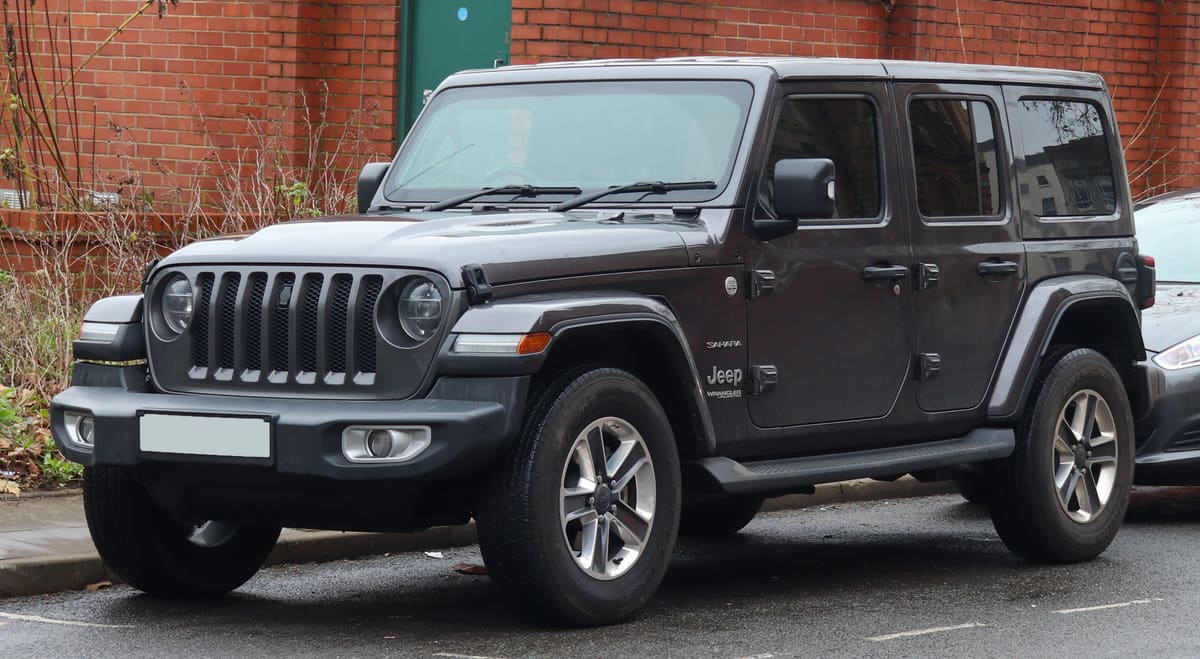
The Jeep Wrangler is a beloved off-road vehicle, but like any car, it has its share of common issues. Owners often report problems with electrical systems, suspension, and engine performance. Fortunately, many of these issues can be resolved with practical fixes that enhance the vehicle’s reliability and performance.
Electrical System Problems
One of the most frequently reported issues with the Jeep Wrangler is electrical system malfunctions. Owners often experience problems with dashboard lights, battery drainage, and faulty wiring.
To address these issues, start by checking the battery terminals for corrosion and ensuring they are tightly connected. If the battery is old, consider replacing it with a new one. For dashboard light problems, inspect the fuses and replace any that are blown. If issues persist, a thorough inspection of the wiring harness may be necessary to identify any damaged or frayed wires.
Suspension Issues
Jeep Wranglers are designed for rugged terrain, but this can lead to suspension problems over time. Common complaints include excessive bouncing, uneven tyre wear, and a rough ride.
To fix suspension issues, first check the shock absorbers for leaks or wear. If they are worn out, replacing them can significantly improve ride quality. Additionally, inspect the suspension bushings and control arms for signs of damage. Regularly rotating tyres can help prevent uneven wear and prolong the life of your suspension components.
Engine Performance Problems
Engine performance issues can be frustrating for Jeep Wrangler owners. Common symptoms include poor acceleration, rough idling, and decreased fuel efficiency.
Start by checking the air filter and replacing it if it is dirty or clogged. A clean air filter can improve engine performance and fuel economy. Additionally, inspect the spark plugs and replace them if they show signs of wear. If problems persist, consider having the fuel injectors cleaned or tested, as clogged injectors can lead to poor engine performance.
Transmission Concerns
Transmission problems can be a significant concern for Jeep Wrangler owners, often manifesting as slipping gears, delayed shifting, or unusual noises.
To address these issues, check the transmission fluid level and condition. Low or dirty fluid can cause shifting problems, so topping it up or replacing it may resolve the issue. If the transmission continues to slip, it may be necessary to have a professional mechanic inspect the transmission for internal damage or wear.
Cooling System Failures
Overheating is a common issue reported by Jeep Wrangler owners, often due to cooling system failures. Symptoms include the temperature gauge rising into the red zone and coolant leaks.
To fix cooling system issues, start by checking the coolant level and topping it up if necessary. Inspect the radiator for leaks or blockages, and ensure that the thermostat is functioning correctly. If the engine continues to overheat, it may be necessary to flush the cooling system to remove any debris or sediment that could be hindering performance.
Brake System Problems
Brake issues can pose serious safety risks, and Jeep Wrangler owners often report problems such as squeaking, grinding, or a spongy brake pedal.
To address brake problems, first inspect the brake pads and rotors for wear. If the pads are worn down, replacing them can restore braking performance. Additionally, check the brake fluid level and condition; if it appears dark or contaminated, consider flushing the brake system. Regular maintenance of the brake system is essential for ensuring safety and reliability on the road.
By addressing these common issues with practical fixes, Jeep Wrangler owners can enhance their vehicle’s performance and reliability. Regular maintenance and inspections can help prevent many of these problems from arising, ensuring a smoother and safer driving experience.
Jeep Wrangler recall record
33 recalls have been issued for the Jeep Wrangler, between 1995 and 2026.
Passenger airbag inflator
R/2026/130Issued 20 March 2026
In the event that the airbag is activated excessive internal pressure may cause the inflator body to rupture and metal fragments may pass through the cushion material causing injury to the vehicle occupants and / or in worst cases a fatality. The concern is caused by moisture in the air getting past faulty seals and being absorbed by the pyrotechnic biscuits in the inflator. As a result it is more likely to occur sooner in areas of high humidity and high temperature difference.
Remedy:Recall the vehicles that are likely to be affected and replace the passenger front air bag module which includes the inflator.
Affects cars built May 2008 to Jul 2012
Passenger airbag inflator
R/2026/135Issued 20 March 2026
Passenger air bag may deploy incorrectly if activated.
Remedy:Replace the passenger air bag inflator.
Affects cars built Aug 2009 to Dec 2016
2018-2022 Jeep Wrangler Check Engine Malfunction Indicator Lamp Incorrect operation and warning
R/2026/060Issued 2 March 2026
On affected vehicles the Malfunction Indicator Lamp (MIL) may not function as intended in the Instrument Panel Cluster (IPC). This condition will not affect emissions. However in the event of an emission issue that would require illumination of the MIL the driver may not be alerted due to the MIL not illuminating.
Remedy:Install updated software.
Affects cars built Aug 2017 to Jun 2022
2020-2025 Jeep Wrangler and 2022-2026 Jeep Grand Cherokee PHEV vehicles. High voltage battery.
R/2026/029Issued 16 February 2026
On affected vehicles the High Voltage (HV) battery may have been built with a battery pack which contains cells which are susceptible to separator damage which combined with other complex interactions within the cells may lead to a vehicle fire.
Remedy:Reprogram the battery pack control module with modified software and check and if necessary replace the HV Battery.
Affects cars built Jul 2020 to Dec 2024
29 older recalls not shown.
A recall applies to a build range, not to every car of this model. Check a registration to see whether one specific vehicle has an outstanding recall.
Jeep Wrangler MOT record
From 5,048 recorded MOT tests, 17.1% failed.
| Registered | Tests | Failed | Median mileage |
|---|---|---|---|
| 2022 | 359 | 8.6% | 21,329 mi |
| 2021 | 585 | 7.7% | 29,143 mi |
| 2020 | 645 | 9.6% | 33,888 mi |
| 2019 | 624 | 10.4% | 37,220 mi |
| 2018 | 391 | 17.4% | 41,038 mi |
| 2017 | 281 | 19.2% | 42,296 mi |
| 2016 | 293 | 21.2% | 50,938 mi |
| 2015 | 558 | 21.3% | 63,523 mi |
Most common reasons for failure
- A suspension pin, bush or joint excessively worn35.5%
- Brake disc or drum excessively weakened, insecure or fractured19.5%
- The aim of a headlamp is not within limits laid down in the requirements16.6%
- a brake lining or pad worn below 1.5mm15.7%
- Fluid leaking excessively and likely to harm the environment or to pose a safety risk to other road users12.9%
Figures cover every Jeep Wrangler tested in the DVSA dataset, not this specific car. Check a registration for the actual history of one vehicle.
Frequently asked questions
What are common issues with Jeep Wranglers?
Common issues with Jeep Wranglers include electrical problems, transmission issues, and rust, particularly in older models. It's important to check for these when considering a purchase.
How can I tell if a Jeep Wrangler has been well maintained?
Look for a full service history, regular oil changes, and any records of repairs. A well-maintained Jeep should have minimal rust and clean fluids.
Are there any specific recalls for Jeep Wranglers?
Recalls are issued against individual vehicles rather than a model as a whole, so a model-level yes or no would be guesswork. Enter the registration on Honest Car Check and we check the DVSA record for that specific car. Where DVSA holds no status, confirm it with a franchised dealer using the VIN.
What should I check during a test drive of a Jeep Wrangler?
During a test drive, pay attention to the steering, brakes, and any unusual noises. Test the four-wheel drive system and ensure all electronics are functioning properly.
Is it expensive to repair a Jeep Wrangler?
Repair costs for a Jeep Wrangler can vary widely depending on the issue and parts needed. Generally, routine maintenance is manageable, but specific repairs can be costly.
How can I improve the fuel efficiency of my Jeep Wrangler?
Improving fuel efficiency can be achieved by maintaining proper tyre pressure, using high-quality fuel, and ensuring regular servicing. Consider lighter aftermarket parts as well.
What modifications are popular for Jeep Wranglers?
Popular modifications include lift kits, larger tyres, and upgraded suspension systems. These can enhance off-road capability but may affect warranty and insurance.
Where can I find parts for my Jeep Wrangler?
Parts for Jeep Wranglers can be found at specialised auto parts stores, online retailers, and through Jeep dealerships. Consider checking local scrap yards for used parts as well.
Sources
- DVSA anonymised MOT tests and results (Open Government Licence v3.0)
- DVSA vehicle safety recalls (Open Government Licence v3.0)