Running costs
Hyundai Kona running costs: what UK ownership really costs
Hyundai Kona UK running costs: fuel or electric, insurance group, road tax, servicing and depreciation.
Updated 4th September 2026 DVSA data: Across 61,435 recorded MOT tests, 10.2% failed.
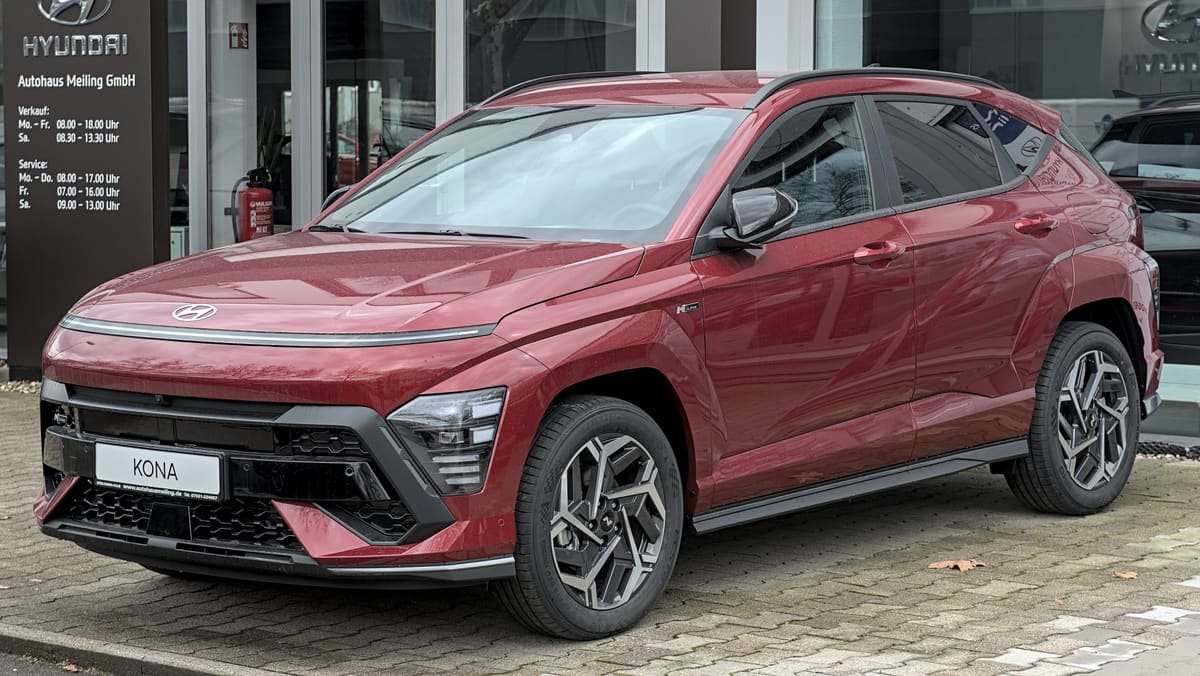
The Hyundai Kona offers competitive running costs, making it an appealing choice for budget-conscious drivers. Fuel efficiency varies by engine type, insurance groups are reasonable, tax bands are manageable, servicing intervals are convenient, and depreciation rates are typical for the segment, ensuring a balanced total ownership cost.
Fuel and Electric Costs
The fuel economy of the Hyundai Kona varies depending on the engine choice.
This makes the electric variant particularly appealing for urban drivers or those with short commutes. Additionally, the Kona Electric benefits from lower tax rates and exemptions from congestion charges in certain areas.
Insurance Group
Insurance costs for the Hyundai Kona are generally affordable, with most models falling within insurance groups 12 to 20, depending on the engine and trim level. This range makes the Kona accessible for a wide demographic, including younger drivers who may be more sensitive to insurance premiums.
For example, the entry-level models tend to be in the lower insurance groups, while higher-spec versions with more powerful engines may attract higher premiums. It is advisable to shop around for quotes, as prices can vary significantly between insurers. Overall, the Kona’s insurance costs are competitive within its class, contributing to its appeal as a family-friendly vehicle.
Tax Band
The Hyundai Kona’s tax band is influenced by its CO2 emissions, which vary based on the engine type. Petrol models typically emit between 130-150 g/km, placing them in tax bands C to E. Diesel variants are slightly more efficient, often falling into bands B to D, making them a more economical choice for tax purposes.
The Kona Electric, on the other hand, boasts zero emissions, which means it is exempt from road tax altogether. This exemption can lead to significant savings over time, especially for drivers who prefer electric vehicles. Additionally, the Kona Electric qualifies for the government’s plug-in car grant, further reducing the initial purchase price and enhancing its overall affordability.
Servicing Intervals
This regular maintenance schedule is in line with industry standards and ensures that the vehicle remains in optimal condition. Routine servicing typically includes oil changes, filter replacements, and checks on essential components such as brakes and tyres.
The cost of servicing can vary depending on the garage and location, but Hyundai’s competitive pricing and warranty packages help keep ownership costs manageable. Many owners find that the Kona’s reliability reduces the likelihood of unexpected repairs, contributing to a lower overall maintenance cost during the ownership period.
Typical Depreciation
Depreciation rates for the Hyundai Kona are fairly typical within the compact SUV market. On average, a new Kona may lose around 40-50% of its value over the first three years, depending on factors such as mileage, condition, and market demand. This rate is comparable to other vehicles in the same segment, making it a reasonable choice for those concerned about resale value.
The Kona Electric may experience slightly different depreciation trends due to the growing interest in electric vehicles. As more consumers seek eco-friendly options, the demand for used electric vehicles like the Kona Electric is likely to increase, potentially mitigating depreciation. Overall, the Kona’s depreciation is manageable, making it a sound investment for buyers looking for a reliable and stylish SUV.
Hyundai Kona recall record
14 recalls have been issued for the Hyundai Kona, between 2019 and 2026.
Some vehicles fitted with a high voltage battery may have internal cell voltage deviation
R/2026/128Issued 4 May 2026
Some vehicles fitted with a high voltage battery may have internal cell voltage deviation. If this occurs it may result in the risk of an electrical short circuit inside the battery. Until the high voltage battery software has been updated we recommend the vehicle to be parked in a well ventilated area. The vehicle can be used as normal.
Remedy:Hyundai has launched a Safety Recall to update the battery management system (BMS) software.
Affects cars built Jan 2018 to Jul 2023
Some vehicles may have an instrument cluster operational concern whilst driving the vehicle
R/2026/146Issued 2 April 2026
Some vehicles may face a concern where the instrument cluster panel may reboot during vehicle operation potentially resulting in a blank instrument cluster display screen.
Remedy:To correct this an ‘Over the Air ‘ software update to the vehicles will be deployed remotely.
Affects cars built Jul 2025 to Nov 2025
The subject vehicles may experience a transmission malfunction resulting in a loss of drive.
R/2024/172Issued 20 May 2024
On affected vehicles they may experience a transmission malfunction resulting in a loss of drive
Remedy:On all affected vehicles the transmission control unit software will be updated
Affects cars built Apr 2023 to Dec 2023
A risk of electrical short circuit within the engine compartment during a vehicle collision
R/2024/154Issued 29 April 2024
On affected vehicles a risk of an electrical short circuit within the engine compartment during a collision
Remedy:On affected vehicles crush shields will be installed to protect the wiring
Affects cars built Apr 2023 to Dec 2023
10 older recalls not shown.
A recall applies to a build range, not to every car of this model. Check a registration to see whether one specific vehicle has an outstanding recall.
Hyundai Kona MOT record
From 61,435 recorded MOT tests, 10.2% failed.
| Registered | Tests | Failed | Median mileage |
|---|---|---|---|
| 2023 | 1,011 | 9.0% | 24,220 mi |
| 2022 | 16,848 | 8.9% | 22,255 mi |
| 2021 | 16,107 | 10.2% | 30,980 mi |
| 2020 | 11,718 | 11.0% | 35,495 mi |
| 2019 | 8,742 | 10.8% | 39,026 mi |
| 2018 | 6,592 | 11.2% | 44,406 mi |
| 2017 | 417 | 12.7% | 48,147 mi |
Most common reasons for failure
- A tyre seriously damaged37.3%
- Tyre tread depth not in accordance with the requirements30.5%
- a brake lining or pad worn below 1.5mm11.7%
- Wiper blade missing or obviously not clearing the windscreen10.5%
- Brake disc or drum excessively weakened, insecure or fractured10.0%
Figures cover every Hyundai Kona tested in the DVSA dataset, not this specific car. Check a registration for the actual history of one vehicle.
Hyundai Kona official figures
Median across 82 variants on sale, electricity, petrol, petrol electric.
- Combined economy
- 47.9 mpg
- WLTP median across variants
- CO2 emissions
- 135 g/km
- Sets the first-year tax rate
- Electric range
- 291 miles
- Manufacturer WLTP figure
Official figures for new cars. Real economy varies with driving, load and conditions.
Frequently asked questions
How often does a Hyundai Kona need servicing?
Servicing for the Hyundai Kona is recommended every 12 months or 10,000 miles, whichever comes first. Regular maintenance includes oil changes, filter replacements, and checks on components like the brake system and tyres to ensure optimal performance.
What is the road tax band for the Hyundai Kona?
The Hyundai Kona falls into various tax bands depending on the model year and engine size. For example, the 2021 Kona with a 1.0-litre petrol engine is in tax band B, which means a lower annual road tax cost compared to larger engines.
Are there any specific maintenance issues to watch for?
Drivers should keep an eye on the Kona's brake pads, which may wear out faster if driven aggressively. Additionally, the 2018 model has had reports of issues with the infotainment system, so regular software updates are advisable.
What are the insurance costs like for a Hyundai Kona?
Insurance costs for the Hyundai Kona vary by model and driver profile, but generally, it sits in insurance groups 12 to 20. This means that younger drivers or those with less experience may face higher premiums, especially for the sportier variants.
How reliable is the Hyundai Kona in terms of running costs?
The Hyundai Kona is generally considered reliable, with low running costs compared to other vehicles in its class. Regular checks on the cooling system and transmission fluid can help maintain its reliability and prevent costly repairs down the line.
Sources
- DVSA anonymised MOT tests and results (Open Government Licence v3.0)
- VCA new car fuel consumption and emissions data (Open Government Licence v3.0)
- DVSA vehicle safety recalls (Open Government Licence v3.0)