Running costs
Hyundai Ioniq 6 running costs: what UK ownership really costs
Hyundai Ioniq 6 UK running costs: fuel or electric, insurance group, road tax, servicing and depreciation.
Updated 4th September 2026
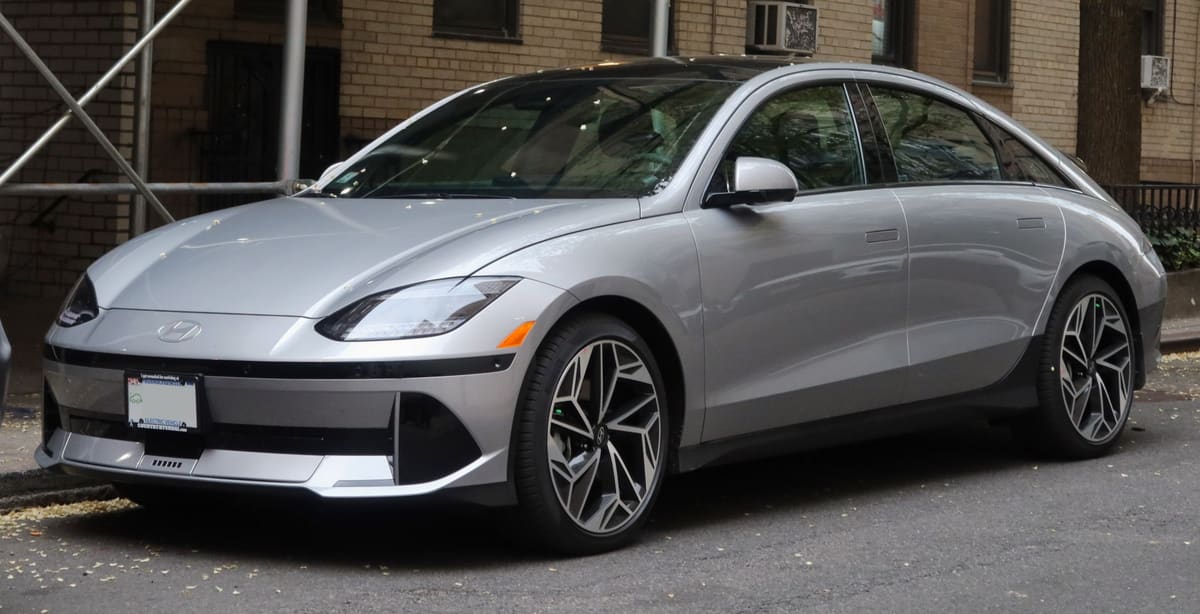
The Hyundai Ioniq 6 offers competitive running costs for electric vehicle owners in the UK. With low charging expenses, affordable insurance, minimal road tax, and reasonable servicing intervals, it presents an attractive option for those looking to minimise total ownership costs while benefiting from the advantages of electric driving.
Fuel and Charging Costs
The Hyundai Ioniq 6 is an all-electric vehicle, which means it runs on electricity rather than petrol or diesel. Charging costs can vary depending on where and how you charge the vehicle. Home charging is typically the most economical option, with average costs around 14p to 18p per kWh.
Public charging stations may charge more, especially for rapid chargers, which can cost up to 40p per kWh. However, many drivers find that charging at home overnight is the most cost-effective method, especially if they can take advantage of off-peak electricity rates. Overall, the Ioniq 6’s running costs for electricity are significantly lower than traditional petrol or diesel vehicles.
Insurance Group
The Hyundai Ioniq 6 falls into insurance groups that vary based on the specific trim level and optional features. Generally, it sits within insurance groups 26 to 31. This places it in a relatively affordable bracket compared to many other electric vehicles.
Insurance costs can differ based on factors such as the driver’s age, location, and driving history. However, the Ioniq 6’s lower insurance group rating means that many drivers may find it cheaper to insure than some of its competitors. It is advisable to compare quotes from various insurers to find the best deal.
Road Tax
As an electric vehicle, the Hyundai Ioniq 6 benefits from zero road tax in the UK. This is a significant advantage for owners, as traditional petrol and diesel vehicles incur annual Vehicle Excise Duty (VED) based on CO2 emissions. The government has introduced incentives to encourage the adoption of electric vehicles, and the Ioniq 6 is a prime example of this initiative.
In addition to the exemption from road tax, electric vehicle owners may also benefit from other incentives, such as grants for home charging points and exemptions from congestion charges in certain cities. This makes the Ioniq 6 an appealing choice for those looking to save on running costs.
Servicing Intervals
The servicing intervals for the Hyundai Ioniq 6 are generally longer than those for traditional internal combustion engine vehicles. Hyundai recommends a service every 12 months or 10,000 miles, whichever comes first. This is beneficial for owners as it reduces the frequency and cost of maintenance.
Electric vehicles like the Ioniq 6 require less regular maintenance due to fewer moving parts and no oil changes. Brake wear is also reduced thanks to regenerative braking, which can extend the lifespan of brake components. Overall, the servicing costs for the Ioniq 6 are likely to be lower than those of conventional vehicles.
Typical Depreciation
Depreciation rates for electric vehicles can vary, but the Hyundai Ioniq 6 is expected to hold its value well compared to many other EVs. Typically, electric vehicles experience a steeper initial depreciation, but this trend is slowly changing as the market for electric cars matures.
Factors influencing depreciation include the vehicle’s condition, mileage, and demand in the used car market. The Ioniq 6’s reputation for reliability and the growing interest in electric vehicles may help mitigate depreciation over time. Owners can expect to see around 40-50% depreciation over the first three years, which is comparable to many petrol and diesel vehicles.
Conclusion
Overall, the Hyundai Ioniq 6 presents a compelling case for those looking to minimise running costs while enjoying the benefits of electric driving. With low charging expenses, affordable insurance, zero road tax, longer servicing intervals, and reasonable depreciation, it stands out as a practical and economical choice for UK drivers.
Hyundai Ioniq 6 recall record
3 recalls have been issued for the Hyundai Ioniq 6, between 2024 and 2025.
The vehicle charge port door outer panel may detach
R/2025/457Issued 17 November 2025
The vehicle charge port door outer panel may have insufficient engagement between the outer panel retaining hooks and the charging port door increasing the risk of detachment during operation.
Remedy:To rectify this issue the charge port door outer panel assembly will be adhered as a permanent solution.
Affects cars built Aug 2022 to Jan 2025
The rear inner driveshaft may develop noise resulting in a loss of drive
R/2024/169Issued 13 May 2024
On affected vehicles the rear inner driveshaft may develop noise resulting in a loss of drive.
Remedy:On all affected vehicles replace the affected driveshaft and check properly fastened
Affects cars built Jan 2023 to Feb 2023
The Integrated Charging Control Unit (ICCU) may become defective and stop charging the 12-volt battery which can result in the vehicle entering into a ‘failsafe’ driving mode.
R/2024/164Issued 6 May 2024
On affected vehicles the Integrated Charging Control Unit (ICCU) may be come defective and stop charging the 12volt battery this can result in the vehicle entering a failsafe driving mode
Remedy:On all affected vehicles update the ICCU software and check and replace if necessary the ICCU and fuse.
Affects cars built Sept 2022 to Mar 2024
A recall applies to a build range, not to every car of this model. Check a registration to see whether one specific vehicle has an outstanding recall.
Hyundai Ioniq 6 official figures
Median across 14 variants on sale, electricity.
- Electric range
- 322 miles
- Manufacturer WLTP figure
Official figures for new cars. Real economy varies with driving, load and conditions.
Frequently asked questions
How often does the Hyundai Ioniq 6 need servicing?
The Hyundai Ioniq 6 typically requires servicing every 12 months or 10,000 miles, whichever comes first. Regular checks on the battery system and brake fluid are essential, as electric vehicles have different maintenance needs compared to traditional petrol cars.
What is the tax band for the Hyundai Ioniq 6?
The Hyundai Ioniq 6 falls into the zero-emission vehicle tax band, meaning it is exempt from road tax. This is a significant saving for owners, especially compared to petrol or diesel vehicles that incur annual charges.
Are there any specific maintenance tasks for the Ioniq 6?
Yes, while the Ioniq 6 requires less maintenance than traditional vehicles, it's important to regularly check the brake fluid and coolant levels. The regenerative braking system may also need inspection to ensure optimal performance.
How does the Ioniq 6 compare in terms of insurance costs?
Insurance costs for the Hyundai Ioniq 6 are generally competitive, often falling into lower insurance groups due to its electric nature. Factors like your driving history and location will also influence your premium.
What warranty does the Hyundai Ioniq 6 come with?
The Hyundai Ioniq 6 typically comes with a five-year warranty, covering most components. The battery itself is often covered for eight years or 100,000 miles, providing peace of mind for long-term ownership.
Sources
- VCA new car fuel consumption and emissions data (Open Government Licence v3.0)
- DVSA vehicle safety recalls (Open Government Licence v3.0)