Running costs
Hyundai Ioniq 5 running costs: what UK ownership really costs
Hyundai Ioniq 5 UK running costs: fuel or electric, insurance group, road tax, servicing and depreciation.
Updated 4th September 2026 DVSA data: Across 8,313 recorded MOT tests, 6.6% failed.
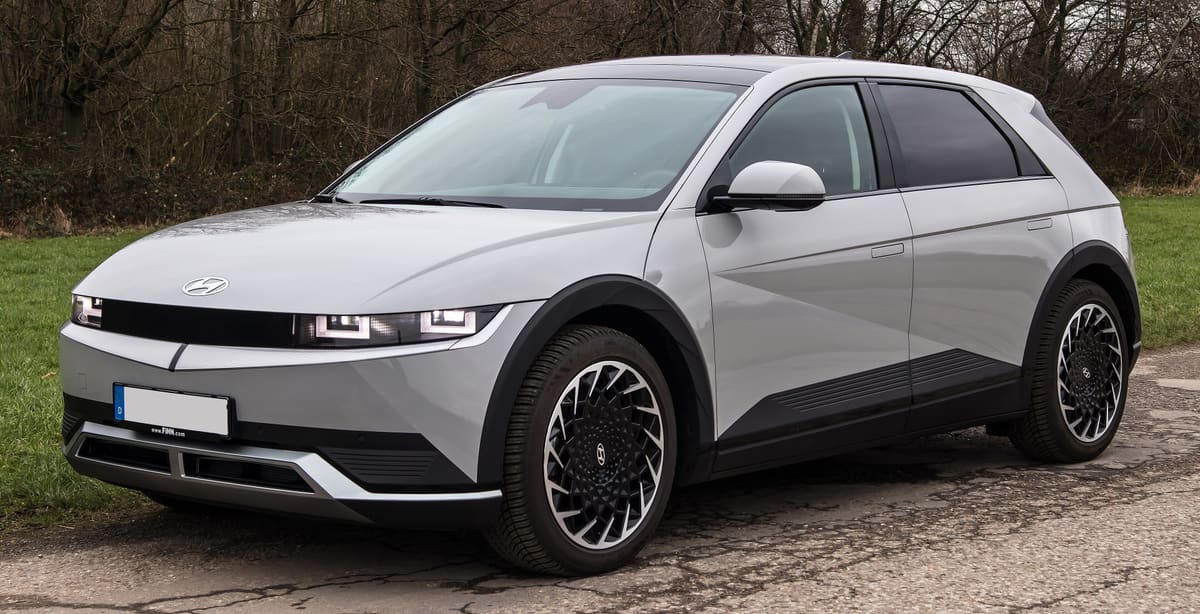
The Hyundai Ioniq 5 offers competitive running costs for electric vehicle owners in the UK. With low charging costs, affordable insurance, minimal road tax, and reasonable servicing intervals, it presents an attractive ownership proposition. Additionally, its depreciation is manageable, making it a sound investment for those looking to transition to electric driving.
Fuel and Charging Costs
The Hyundai Ioniq 5 is an electric vehicle, meaning it operates on electricity rather than traditional fuel. Charging costs can vary significantly depending on where and how you charge the vehicle.
Fast chargers can be more expensive, but they offer the convenience of quicker charging times. Overall, electric vehicles like the Ioniq 5 can lead to substantial savings compared to petrol or diesel cars, especially for those who can charge at home.
Insurance Group
The Hyundai Ioniq 5 falls into insurance groups that typically range from 27 to 36, depending on the specific model and trim level. This places it in a relatively affordable insurance bracket for electric vehicles. Factors such as the driver’s age, location, and driving history will influence the actual premium, but generally, the Ioniq 5 is competitively priced compared to other electric vehicles in its class.
Choosing a higher trim level or adding optional features may increase the insurance group, leading to higher premiums. It’s advisable for potential buyers to obtain quotes from various insurance providers to find the best deal tailored to their circumstances.
Road Tax
As an electric vehicle, the Hyundai Ioniq 5 benefits from zero road tax in the UK. This is a significant advantage, as traditional petrol and diesel vehicles incur annual charges based on their CO2 emissions. The exemption from road tax not only reduces the overall cost of ownership but also aligns with the UK government’s push towards greener transportation solutions.
In addition to the zero road tax, electric vehicles may also qualify for other incentives, such as grants for home charging installations, further enhancing their affordability.
Servicing Intervals
The servicing intervals for the Hyundai Ioniq 5 are generally longer than those for conventional vehicles, primarily due to the fewer moving parts in electric drivetrains. Hyundai recommends servicing every 12 months or 10,000 miles, whichever comes first. This is relatively low compared to many petrol and diesel vehicles, which often require servicing every 6,000 to 12,000 miles.
Routine maintenance for the Ioniq 5 includes checks on the braking system, battery health, and software updates. The absence of oil changes and fewer mechanical components means that servicing costs can be lower, making it a cost-effective option for owners.
Typical Depreciation
Depreciation is an important consideration for any vehicle purchase, and electric vehicles like the Hyundai Ioniq 5 have shown varying rates of value retention. On average, electric vehicles tend to depreciate faster than their petrol and diesel counterparts, primarily due to the rapid advancements in battery technology and the increasing availability of new models.
However, the Ioniq 5 has been well-received in the market, which may help it retain value better than some other electric vehicles. Owners can expect an average depreciation of around 40-50% over the first three years, although this can vary based on mileage, condition, and market demand.
Overall Ownership Costs
When considering the total cost of ownership for the Hyundai Ioniq 5, potential buyers should factor in all aspects, including charging costs, insurance, road tax, servicing, and depreciation. The overall running costs are generally lower than those of traditional vehicles, making the Ioniq 5 an appealing option for budget-conscious drivers.
In addition to financial savings, owning an electric vehicle like the Ioniq 5 contributes to reduced environmental impact, aligning with the growing trend towards sustainable living. As infrastructure for electric vehicles continues to improve, the ownership experience is likely to become even more convenient and cost-effective.
Hyundai Ioniq 5 recall record
5 recalls have been issued for the Hyundai Ioniq 5, between 2022 and 2026.
Some vehicles may have an instrument cluster operational concern whilst driving the vehicle
R/2026/146Issued 2 April 2026
Some vehicles may face a concern where the instrument cluster panel may reboot during vehicle operation potentially resulting in a blank instrument cluster display screen.
Remedy:To correct this an ‘Over the Air ‘ software update to the vehicles will be deployed remotely.
Affects cars built Jul 2025 to Nov 2025
The rear inner driveshaft may develop noise resulting in a loss of drive
R/2024/169Issued 13 May 2024
On affected vehicles the rear inner driveshaft may develop noise resulting in a loss of drive.
Remedy:On all affected vehicles replace the affected driveshaft and check properly fastened
Affects cars built Jan 2023 to Feb 2023
The Integrated Charging Control Unit (ICCU) may become defective and stop charging the 12-volt battery which can result in the vehicle entering into a ‘failsafe’ driving mode.
R/2024/164Issued 6 May 2024
On affected vehicles the Integrated Charging Control Unit (ICCU) may be come defective and stop charging the 12volt battery this can result in the vehicle entering a failsafe driving mode
Remedy:On all affected vehicles update the ICCU software and check and replace if necessary the ICCU and fuse.
Affects cars built Jan 2021 to Feb 2024
The vehicle identification number label may not have the correct maximum permissible laden mass printed on the VIN label.
R/2023/041Issued 13 March 2023
The vehicle identification number label may not have the correct maximum permissible laden mass printed on the VIN label.
Remedy:Replace the vehicle identification number label with an amended VIN label.
Affects cars built Jul 2022 to Nov 2022
1 older recall not shown.
A recall applies to a build range, not to every car of this model. Check a registration to see whether one specific vehicle has an outstanding recall.
Hyundai Ioniq 5 MOT record
From 8,313 recorded MOT tests, 6.6% failed.
| Registered | Tests | Failed | Median mileage |
|---|---|---|---|
| 2023 | 297 | 6.1% | 37,363 mi |
| 2022 | 5,852 | 6.7% | 29,408 mi |
| 2021 | 2,164 | 6.5% | 35,240 mi |
Most common reasons for failure
- A tyre seriously damaged39.8%
- Tyre tread depth not in accordance with the requirements27.3%
- Wiper blade missing or obviously not clearing the windscreen21.2%
- A tyre cords visible or damaged7.9%
- Defect 100013.8%
Figures cover every Hyundai Ioniq 5 tested in the DVSA dataset, not this specific car. Check a registration for the actual history of one vehicle.
Hyundai Ioniq 5 official figures
Median across 43 variants on sale, electricity.
- Electric range
- 296 miles
- Manufacturer WLTP figure
Official figures for new cars. Real economy varies with driving, load and conditions.
Frequently asked questions
What is the road tax band for the Hyundai Ioniq 5?
The Hyundai Ioniq 5 is classified as a zero-emission vehicle, which means it falls into the tax band A. This means you won't have to pay any road tax, making it an attractive option for eco-conscious drivers looking to save on running costs.
How often does the Hyundai Ioniq 5 need servicing?
The Hyundai Ioniq 5 requires servicing every 12 months or 10,000 miles, whichever comes first. Regular maintenance includes checks on the battery, brakes, and software updates, ensuring your vehicle remains in optimal condition and performs efficiently.
What are the maintenance costs for the Hyundai Ioniq 5?
Maintenance costs for the Hyundai Ioniq 5 are generally lower than traditional combustion engines. Key components like the electric motor and battery typically require less frequent servicing, but you should budget for brake fluid changes every two years and tyre replacements as needed.
Are there any specific components that require regular checks?
Yes, it’s important to regularly check the brake pads and tyres on the Hyundai Ioniq 5. The regenerative braking system can wear pads differently than traditional brakes, so monitoring their condition is crucial for safety and performance.
What is the warranty coverage for the Hyundai Ioniq 5?
The Hyundai Ioniq 5 comes with a five-year unlimited mileage warranty, which covers most components. Additionally, the battery is covered for eight years or 100,000 miles, providing peace of mind regarding long-term running costs and reliability.
Sources
- DVSA anonymised MOT tests and results (Open Government Licence v3.0)
- VCA new car fuel consumption and emissions data (Open Government Licence v3.0)
- DVSA vehicle safety recalls (Open Government Licence v3.0)