Common problems
Honda HR-V common problems and reliability issues
Honest rundown of the most common Honda HR-V faults, what to watch for, and how to keep one running well.
Updated 4th September 2026 DVSA data: Across 37,573 recorded MOT tests, 9.3% failed.
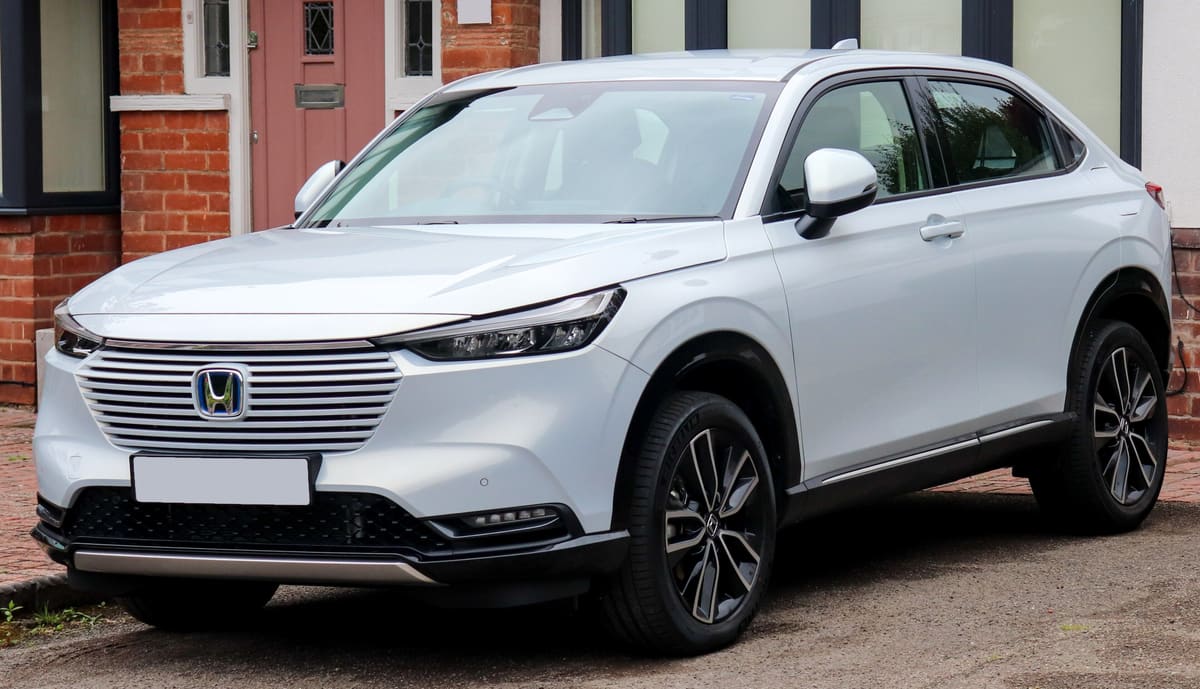
The Honda HR-V is generally regarded as a reliable vehicle, but like any model, it has its share of common issues. Owners have reported problems primarily related to the electrical system, suspension, and engine performance.
Electrical System Issues
One of the most frequently reported problems with the Honda HR-V involves its electrical system. Owners have noted issues with the battery and alternator, which can lead to starting problems. Additionally, some users have experienced malfunctioning dashboard lights and infotainment system glitches.
These electrical faults can often be traced back to poor connections or corroded terminals. Regular maintenance and checks can help mitigate these issues, but it is advisable to keep an eye on warning lights and battery performance. If problems persist, a professional inspection is recommended to identify underlying causes.
Suspension Problems
The suspension system of the Honda HR-V has also been a point of concern for some drivers. Common complaints include excessive noise when driving over bumps and a noticeable decrease in ride comfort. These issues are often attributed to worn-out shock absorbers or struts, which can affect handling and stability.
Regularly inspecting the suspension components can help catch these issues early. If you notice any unusual sounds or changes in ride quality, it is wise to have the suspension checked. Addressing these problems promptly can prevent further damage and ensure a smoother driving experience.
Engine Performance Issues
Engine performance is another area where the Honda HR-V has faced criticism. Some owners have reported issues such as rough idling, decreased power, and poor fuel efficiency. These problems can often be linked to issues with the fuel system, including clogged fuel injectors or a failing fuel pump.
Maintaining the engine through regular servicing, including oil changes and fuel system cleaning, can help prevent these issues. If you experience persistent performance problems, it is essential to have the engine diagnosed by a qualified mechanic to identify the root cause and avoid more significant repairs down the line.
Transmission Concerns
Transmission problems have been reported by a minority of Honda HR-V owners, particularly with automatic models. Symptoms can include slipping gears, delayed shifting, and unusual noises during gear changes. These issues can be alarming and may indicate a need for transmission fluid changes or, in severe cases, a complete transmission rebuild.
Regular maintenance, including checking and replacing transmission fluid as needed, can help prolong the life of the transmission. If you notice any signs of trouble, seeking professional advice early can prevent more extensive damage and costly repairs.
Brake System Issues
The brake system in the Honda HR-V is generally reliable, but some owners have reported problems such as squeaking or grinding noises when braking. These sounds can indicate worn brake pads or discs, which should be replaced to maintain safety and performance.
It is essential to have the brake system inspected regularly, especially if you notice any changes in braking behaviour. Addressing brake issues promptly can prevent further damage and ensure your vehicle remains safe to drive. Keeping an eye on brake fluid levels and having the brakes serviced can help maintain optimal performance.
Interior and Comfort Problems
While the Honda HR-V is praised for its spacious interior and comfort, some owners have encountered issues with the quality of materials used in the cabin. Reports of rattling noises and wear on upholstery have surfaced, particularly in older models.
To maintain the interior quality, regular cleaning and care are recommended. If you experience persistent issues with rattling or wear, consider consulting a professional to address these problems. Investing in protective covers or mats can also help prolong the life of the interior materials.
Overall, while the Honda HR-V is a solid choice for many drivers, being aware of these common problems can help you make informed decisions about maintenance and potential purchases. Regular servicing and attention to detail can go a long way in ensuring a reliable driving experience.
Honda HR-V recall record
4 recalls have been issued for the Honda HR-V, between 2018 and 2020.
VEHICLES MAY BE EQUIPPED WITH A FUEL PUMP MODULE MANUFACTURED WITH LOW DENSITY IMPELLARS
R/2020/186Issued 24 August 2020
Affected vehicles may be equipped with a fuel pump module manufactured with low density impellers.
Remedy:The affected fuel pumps will be replaced.
Affects cars built Nov 2017 to Apr 2018
DUE TO INCORRECT MANUFACTURING THE REAR SEAT BELT ASSEMBLY WEBBING SENSOR COULD BECOME INOPERATIVE
R/2020/194Issued 14 August 2020
The webbing sensor in the rear centre seat belt assembly could become inoperative.
Remedy:Check and if the seat belt is within the affected range the seat belt will be replaced.
Affects cars built Aug 2019 to Sept 2019
THE REGULATORY REQUIREMENT FOR EMISSIONS LEVELS ARE NOT MET
R/2020/008Issued 31 January 2020
The regulatory requirement for emissions levels are not met.
Remedy:Update the software in the Engine Control Unit to improve the performance of the emissions control system
Affects cars built Feb 2015 to May 2018
DURING ASSEMBLY THE CABIN HARNESS CLIP WAS BROKEN RESULTING IN THE HARNESS NOT BEING CORRECTLY SECURED IN FRONT LEFT CHASSIS RAIL / SUSPENSION TURRET AREA
R/2018/225Issued 2 October 2018
During vehicle assembly the cabin harness was pulled to make the process easier to manage. By pulling the harness a clip was broken or dislodged resulting in the harness not being correctly secured in the front left chassis rail / suspension turret area. In around 10% of affected units the harness makes contact with the transmission mount. The vibration of the transmission can cause the harness to be damaged. If the conductors are exposed this can result in a short circuit and blown fuse. Customer complaints are that the engine does not start and/or the wiper does not work. The engine does not start and/or the windscreen wipers do not work.
Remedy:The technician will carry out an inspection of the cabin harness and harness clip to determine the required repair: Replace harness clip if it is damaged/missing; Repair the cabin harness in the case of mild abrasion to the harness outer; Replace the cabin harness in the case of exposed conductors.
Affects cars built Sept 2014 to Apr 2018
A recall applies to a build range, not to every car of this model. Check a registration to see whether one specific vehicle has an outstanding recall.
Honda HR-V MOT record
From 37,573 recorded MOT tests, 9.3% failed.
| Registered | Tests | Failed | Median mileage |
|---|---|---|---|
| 2023 | 361 | 2.8% | 16,967 mi |
| 2022 | 6,197 | 2.9% | 19,994 mi |
| 2021 | 439 | 2.5% | 25,228 mi |
| 2020 | 3,647 | 5.9% | 29,304 mi |
| 2019 | 4,772 | 5.9% | 34,894 mi |
| 2018 | 5,993 | 8.1% | 43,156 mi |
| 2017 | 5,749 | 11.2% | 52,141 mi |
| 2016 | 6,793 | 14.8% | 60,243 mi |
Most common reasons for failure
- Tyre tread depth not in accordance with the requirements30.0%
- A tyre seriously damaged23.9%
- a brake lining or pad worn below 1.5mm21.7%
- A suspension pin, bush or joint excessively worn15.2%
- A shock absorber damaged to the extent that it does not function or showing signs of severe leakage9.1%
Figures cover every Honda HR-V tested in the DVSA dataset, not this specific car. Check a registration for the actual history of one vehicle.
Honda HR-V official figures
Median across 9 variants on sale, petrol electric.
- Combined economy
- 52.3 mpg
- WLTP median across variants
- CO2 emissions
- 104 g/km
- Sets the first-year tax rate
Official figures for new cars. Real economy varies with driving, load and conditions.
Frequently asked questions
What are the most common issues with the Honda HR-V?
Common issues with the Honda HR-V include problems with the suspension, electrical faults, and issues with the air conditioning system.
How reliable is the Honda HR-V?
The Honda HR-V is generally considered reliable, but like any vehicle, it can experience problems over time. Regular maintenance can help prevent many common issues.
Are there any known transmission problems with the Honda HR-V?
Some Honda HR-V owners have reported issues with the automatic transmission, including rough shifting or slipping. It's advisable to have the transmission fluid checked regularly.
What should I check before buying a used Honda HR-V?
Before purchasing a used Honda HR-V, check the service history, look for signs of wear on the suspension, and ensure all electrical components are functioning properly.
Is the Honda HR-V prone to rust?
The Honda HR-V is not particularly known for rust issues, but it's still important to inspect the bodywork for any signs of corrosion, especially in older models.
How can I prevent common problems with my Honda HR-V?
Regular servicing, timely oil changes, and addressing any warning lights promptly can help prevent common problems with your Honda HR-V.
What are the signs of a failing air conditioning system in a Honda HR-V?
Signs of a failing air conditioning system include weak airflow, unusual noises when the system is running, or a lack of cool air. If you notice these issues, it may need servicing.
Are there any recalls on the Honda HR-V?
Recalls are issued against individual vehicles rather than a model as a whole, so a model-level yes or no would be guesswork. Enter the registration on Honest Car Check and we check the DVSA record for that specific car. Where DVSA holds no status, confirm it with a franchised dealer using the VIN.
Sources
- DVSA anonymised MOT tests and results (Open Government Licence v3.0)
- VCA new car fuel consumption and emissions data (Open Government Licence v3.0)
- DVSA vehicle safety recalls (Open Government Licence v3.0)