Running costs
Genesis G80 running costs: what UK ownership really costs
Genesis G80 UK running costs: fuel or electric, insurance group, road tax, servicing and depreciation.
Updated 4th September 2026
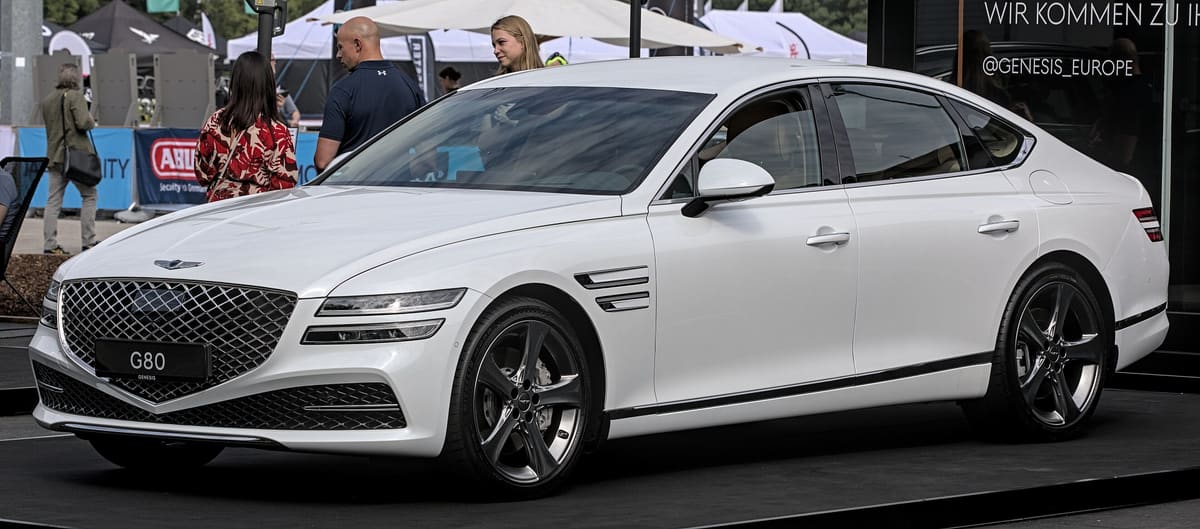
The Genesis G80 offers a blend of luxury and performance, but potential owners should consider its running costs. Fuel efficiency varies by engine choice, insurance groups are relatively high, and tax bands depend on emissions. Regular servicing is essential, and depreciation can be significant, impacting overall ownership costs.
Fuel and Electric Costs
The Genesis G80 is available with both petrol and diesel engines, with fuel efficiency varying between models. For electric models, the G80 Electrified provides an impressive range, making it an appealing option for those looking to minimise fuel costs. Charging costs will depend on local electricity rates, but home charging is generally more economical than using public chargers.
When considering fuel costs, it is important to factor in driving habits and the type of journeys undertaken. Urban driving may lead to lower fuel efficiency, while motorway driving can yield better figures. Additionally, the choice between petrol and diesel can impact overall running costs, with diesel often being more economical for long-distance travel.
Insurance Group
The Genesis G80 falls into higher insurance groups, typically ranging from group 41 to 50, depending on the specific model and trim level. This places it in a premium bracket, meaning insurance premiums can be higher than average. Factors such as the driver’s age, location, and driving history will also influence the final insurance cost.
When budgeting for insurance, it is wise to compare quotes from different providers, as prices can vary significantly. Some insurers may offer discounts for drivers with a no-claims history or those who have completed advanced driving courses. Additionally, considering a higher excess can sometimes lower the premium, but this should be balanced against potential out-of-pocket costs in the event of a claim.
Tax Band
The tax band for the Genesis G80 is determined by its CO2 emissions, which vary between the petrol and diesel models. Generally, the G80 falls into bands ranging from A to D, with the diesel models typically being more efficient and attracting lower tax rates. For electric versions, the tax benefits are even more significant, as they often qualify for zero road tax in the first year.
Annual road tax costs can add to the overall running expenses, so it is essential to factor this into the total ownership cost. The government’s tax policies can change, so staying informed about the current rates and any potential incentives for electric vehicles is advisable.
Servicing Intervals
The Genesis G80 has recommended servicing intervals of approximately 12,000 miles or annually, whichever comes first. Regular maintenance is crucial to ensure the vehicle operates efficiently and retains its value. Servicing costs can vary, but it is advisable to use authorised dealerships to maintain warranty coverage and ensure high-quality parts are used.
In addition to regular servicing, it is essential to keep an eye on wear-and-tear items such as tyres and brakes. These components may require replacement more frequently, depending on driving style and conditions. Keeping the vehicle in good condition can help prevent costly repairs down the line.
Typical Depreciation
Depreciation is a significant factor in the overall cost of owning a Genesis G80. Luxury vehicles tend to depreciate faster than mainstream models, with estimates suggesting that the G80 may lose around 50-60% of its value over the first three years. This is important for potential buyers to consider, especially if they plan to sell or trade in the vehicle in the future.
Factors influencing depreciation include mileage, condition, and market demand. Keeping the vehicle well-maintained and within reasonable mileage limits can help mitigate depreciation. Additionally, the growing interest in electric vehicles may positively impact the resale value of the G80 Electrified variant, as more buyers seek eco-friendly options.
Conclusion
Owning a Genesis G80 involves various running costs, including fuel or electric expenses, insurance premiums, road tax, servicing, and depreciation. Understanding these factors can help potential buyers make informed decisions and budget effectively for their luxury vehicle. While the G80 offers a premium driving experience, it is essential to be aware of the financial implications of ownership.
Genesis G80 recall record
2 recalls have been issued for the Genesis G80, between 2023 and 2024.
The Integrated Charging Control Unit (ICCU) may become defective and stop charging the 12-volt battery which can result in the vehicle entering into a ‘failsafe’ driving mode.
R/2024/165Issued 22 July 2024
On affected vehicles the Integrated Charging Control Unit (ICCU) may be come defective and stop charging the 12volt battery this can result in the vehicle entering a failsafe driving mode
Remedy:On all affected vehicles update the ICCU software and check and replace if necessary the ICCU and fuse.
Affects cars built Aug 2021 to Feb 2024
Front Seat Pre-tensioners may malfunction
R/2023/195Issued 21 August 2023
Front seat pre-tensioners may malfunction.
Remedy:Install anti-separation protection caps to affected pre-tensioners.
Affects cars built Mar 2019 to Jan 2023
A recall applies to a build range, not to every car of this model. Check a registration to see whether one specific vehicle has an outstanding recall.
Genesis G80 official figures
Median across 8 variants on sale, diesel, petrol.
- Combined economy
- 32.9 mpg
- WLTP median across variants
- CO2 emissions
- 210 g/km
- Sets the first-year tax rate
Official figures for new cars. Real economy varies with driving, load and conditions.
Frequently asked questions
Are there any specific maintenance issues to watch for?
Pay attention to the brake pads and discs, especially if you drive in urban areas. The G80's braking system may require replacement every 20,000 to 30,000 miles, depending on driving style and conditions, so regular checks are advisable.
How reliable is the Genesis G80 in terms of running costs?
The Genesis G80 is generally considered reliable, with few major issues reported. Regular maintenance, including timely oil changes and checks on the electrical system, can help keep running costs manageable and prevent unexpected repairs.
What are the warranty options for a Genesis G80?
Genesis offers a five-year unlimited mileage warranty on the G80, which covers most components. This warranty can significantly reduce running costs during the initial ownership period, as it includes roadside assistance and annual checks.
Sources
- VCA new car fuel consumption and emissions data (Open Government Licence v3.0)
- DVSA vehicle safety recalls (Open Government Licence v3.0)