Running costs
Fiat Panda running costs: what UK ownership really costs
Fiat Panda UK running costs: fuel or electric, insurance group, road tax, servicing and depreciation.
Updated 4th September 2026 DVSA data: Across 83,542 recorded MOT tests, 30.5% failed.
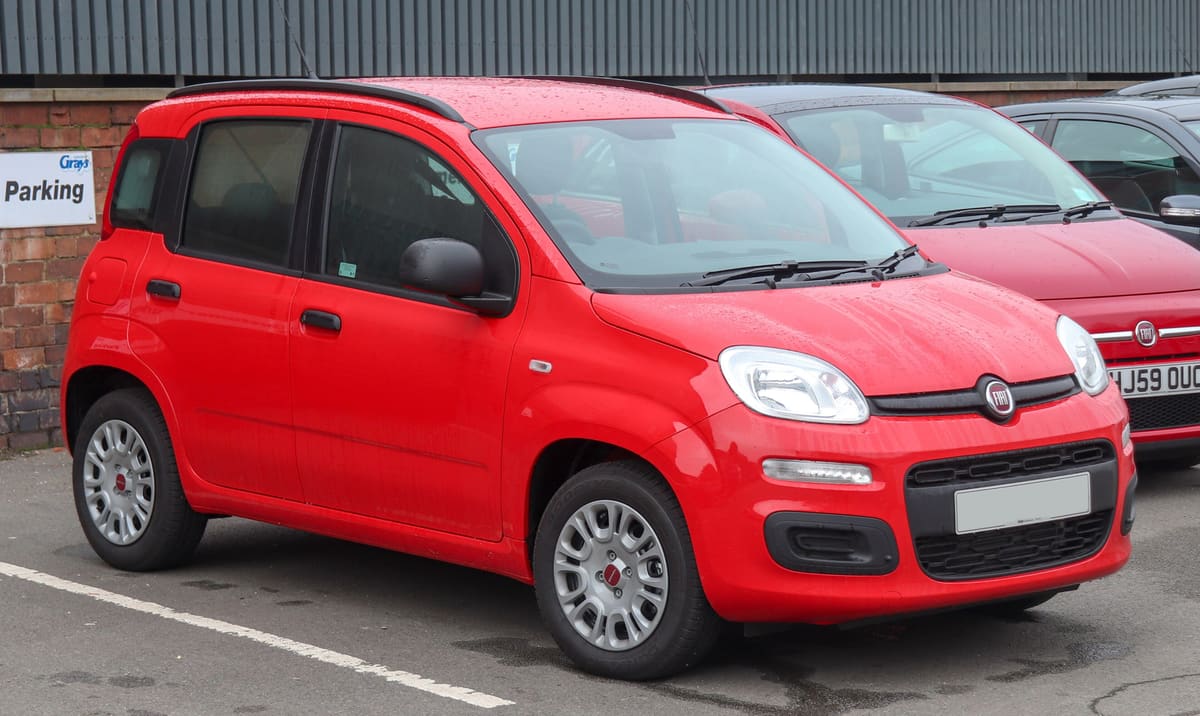
The Fiat Panda is an economical choice for drivers looking for low running costs. Insurance groups are generally low, making it affordable to insure. Road tax is reasonable, and servicing intervals are manageable, contributing to its overall cost-effectiveness.
Fuel Economy
The Fiat Panda offers impressive fuel economy, particularly with its petrol engines. Most models achieve around 50 miles per gallon (mpg), making it a cost-effective option for daily commuting and longer journeys.
The Panda’s lightweight design and efficient engines contribute to its economical fuel consumption. Choosing the right engine size can also impact fuel costs; smaller engines tend to be more fuel-efficient. Regular maintenance, such as timely oil changes and air filter replacements, can further enhance fuel efficiency.
Insurance Group
The Fiat Panda typically falls into low insurance groups, ranging from group 1 to group 10 depending on the specific model and trim. This makes it an attractive option for new drivers or those looking to keep insurance costs down. The low insurance group can significantly reduce overall ownership costs.
Insurance premiums are influenced by factors such as the driver’s age, location, and driving history. However, the Panda’s reputation for safety and reliability can help keep premiums lower. It’s advisable to shop around for quotes to ensure the best deal, as prices can vary between providers.
Road Tax
Road tax for the Fiat Panda is generally affordable, with most models falling into the lower tax bands. The exact amount depends on the emissions level of the specific model.
The Panda’s efficient engines contribute to lower CO2 emissions, which is a key factor in determining road tax rates. As emissions regulations become stricter, choosing a model with lower emissions can help future-proof against potential tax increases. It’s worth checking the specific emissions rating of the model you are considering to understand the tax implications.
Servicing Intervals
Servicing intervals for the Fiat Panda are typically set at 12,000 miles or annually, whichever comes first. This regular maintenance schedule helps ensure the vehicle remains in good condition and can prevent more costly repairs down the line. The servicing costs are generally reasonable, making it an economical choice for owners.
During servicing, essential checks and replacements, such as oil changes, brake inspections, and tyre rotations, are performed. Keeping up with these intervals can help maintain the vehicle’s performance and longevity. Additionally, many garages offer competitive pricing for servicing, so it’s wise to compare options.
Depreciation
The Fiat Panda tends to experience moderate depreciation compared to other vehicles in its class. On average, you can expect the Panda to lose around 40-50% of its value over the first three years. Factors such as mileage, condition, and market demand can influence the rate of depreciation.
One advantage of the Panda is its reputation for reliability, which can help maintain its resale value. Additionally, its low running costs and practicality make it appealing to a broad range of buyers, which can also support resale prices. Keeping the vehicle well-maintained and addressing any issues promptly can further mitigate depreciation.
Overall Ownership Costs
When considering overall ownership costs, the Fiat Panda stands out as a budget-friendly option. With low fuel consumption, affordable insurance, reasonable road tax, and manageable servicing costs, it is designed to be economical for everyday use. The combination of these factors makes it an attractive choice for those looking to minimise their expenses.
In addition to the direct costs, the Panda’s practicality and versatility add value. Its compact size makes it easy to park and manoeuvre in urban environments, while its spacious interior and boot space cater to families and individuals alike. Overall, the Fiat Panda offers a well-rounded package for cost-conscious drivers.
Fiat Panda MOT record
From 83,542 recorded MOT tests, 30.5% failed.
| Registered | Tests | Failed | Median mileage |
|---|---|---|---|
| 2022 | 701 | 7.6% | 14,721 mi |
| 2021 | 1,102 | 11.5% | 20,047 mi |
| 2020 | 1,741 | 12.5% | 22,097 mi |
| 2019 | 2,491 | 14.7% | 26,739 mi |
| 2018 | 2,625 | 16.5% | 30,704 mi |
| 2017 | 3,428 | 19.3% | 36,676 mi |
| 2016 | 4,723 | 20.9% | 41,614 mi |
| 2015 | 7,784 | 25.2% | 49,347 mi |
Most common reasons for failure
- Tyre tread depth not in accordance with the requirements27.9%
- A suspension pin, bush or joint excessively worn26.9%
- A spring or spring component fractured or seriously weakened22.9%
- A tyre seriously damaged11.5%
- Exhaust system leaking or insecure10.9%
Figures cover every Fiat Panda tested in the DVSA dataset, not this specific car. Check a registration for the actual history of one vehicle.
Frequently asked questions
What are the insurance costs for a Fiat Panda?
Insurance for a Fiat Panda generally falls into lower groups, often around Group 1 to 5, depending on the model year and specifications. This makes it an affordable option for many drivers, especially younger ones looking for budget-friendly insurance.
What is the road tax band for a Fiat Panda?
The Fiat Panda usually falls into tax bands A to C, depending on the engine size and emissions. For example, the 1.2-litre model from 2012 has low CO2 emissions, which means lower annual road tax costs, making it economical for daily use.
Are there any common maintenance issues with the Fiat Panda?
Drivers often report issues with the exhaust system, particularly on older models. Regular checks on the exhaust for rust or leaks, especially after 5 years, can help avoid more serious problems and ensure the vehicle runs efficiently.
How reliable is the Fiat Panda in terms of running costs?
The Fiat Panda is generally considered reliable, with many owners reporting minimal issues over the years. Regular maintenance, such as changing the timing belt every 5 years or 60,000 miles, can help keep running costs low and prevent breakdowns.
Sources
- DVSA anonymised MOT tests and results (Open Government Licence v3.0)