Running costs
Fiat 500e running costs: what UK ownership really costs
Fiat 500e UK running costs: fuel or electric, insurance group, road tax, servicing and depreciation.
Updated 4th September 2026 DVSA data: Across 7,077 recorded MOT tests, 12.2% failed.
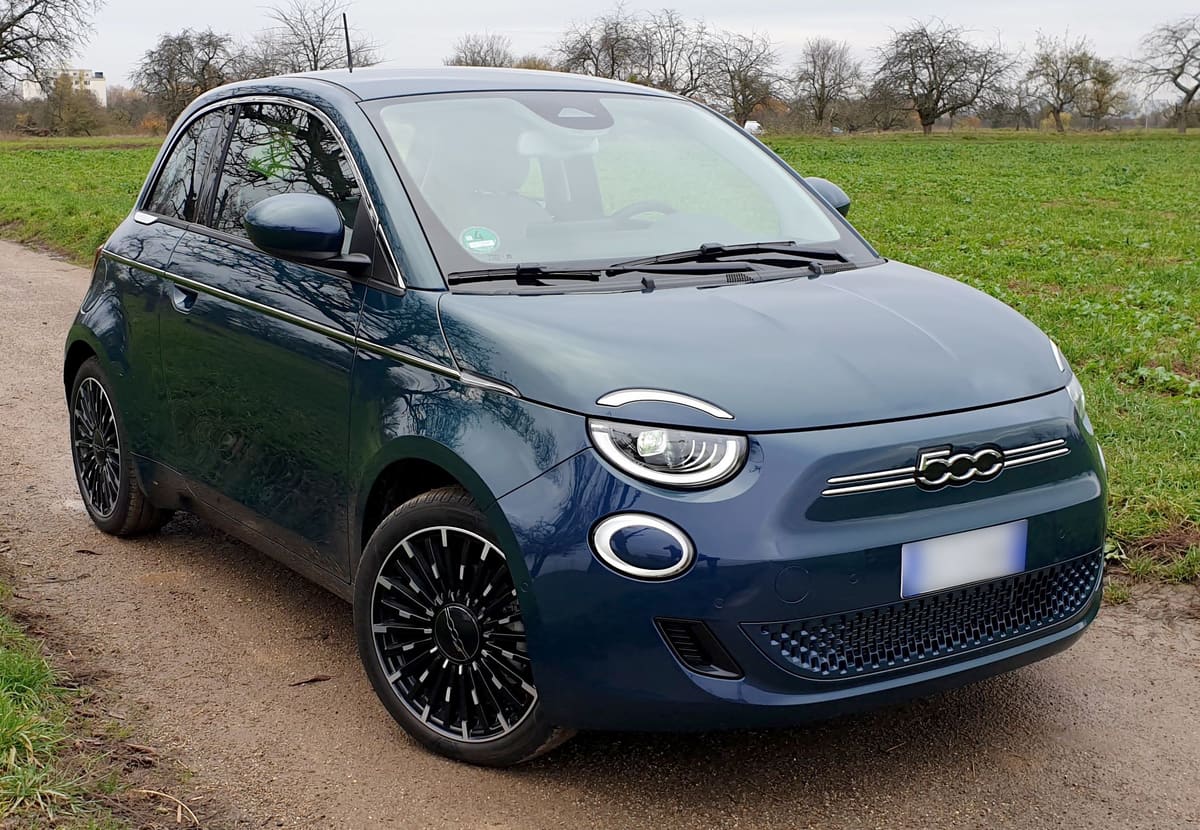
The Fiat 500e offers low running costs, making it an economical choice for urban drivers. With affordable electric charging, low insurance premiums, and minimal road tax, the overall ownership costs are competitive. Its depreciation is moderate, ensuring good value retention for buyers.
Fuel and Electric Costs
The Fiat 500e is a fully electric vehicle, which means it has no petrol or diesel fuel costs. Instead, owners pay for electricity to charge the battery. Public charging stations may vary in cost, with rapid chargers typically charging more per kWh.
For those who can charge at home, the cost per mile is significantly lower than traditional petrol vehicles. Many owners report savings of up to 70% on fuel costs compared to their petrol counterparts. Additionally, the 500e is compatible with various charging options, including home wall boxes and public charging networks, making it convenient for daily use.
Insurance Group
The Fiat 500e falls into a relatively low insurance group, typically ranging from group 10 to 12, depending on the specific model and trim level. This makes it an attractive option for younger drivers or those looking for affordable insurance premiums.
Insurance costs can vary based on individual circumstances, including driving history, location, and additional cover options. However, the 500e’s low insurance group means that many drivers can find full coverage for a reasonable price. This factor contributes to the overall affordability of owning a 500e, especially for first-time car owners.
Tax Band
As an electric vehicle, the Fiat 500e benefits from significant tax advantages. It falls into the zero-emission vehicle tax band, meaning owners pay no road tax (Vehicle Excise Duty). This exemption is a major financial incentive for potential buyers, as it reduces the annual running costs associated with vehicle ownership.
Furthermore, electric vehicles are often exempt from congestion charges in cities like London, providing additional savings for urban drivers. These financial benefits make the 500e an appealing choice for those looking to minimise their tax liabilities while enjoying the advantages of electric mobility.
Servicing Intervals
The Fiat 500e has relatively low servicing requirements compared to traditional combustion engine vehicles. Fiat recommends servicing the 500e every 12 months or 12,000 miles, whichever comes first. This regular maintenance helps ensure the vehicle operates efficiently and remains in good condition.
Electric vehicles like the 500e have fewer moving parts than petrol or diesel cars, which often translates to lower servicing costs. Key components, such as the battery and electric motor, require minimal maintenance. However, regular checks on the brakes, tyres, and suspension are still necessary to maintain overall vehicle performance and safety.
Typical Depreciation
Depreciation for the Fiat 500e is moderate compared to other electric vehicles. While electric cars generally depreciate faster than their petrol counterparts due to the rapid advancements in technology, the 500e holds its value reasonably well.
Factors influencing depreciation include the vehicle’s age, mileage, and condition. Typically, the 500e can expect to retain around 50-60% of its original value after three years. This retention rate is beneficial for buyers considering the long-term investment in an electric vehicle, especially as the market for used electric cars continues to grow.
Conclusion
Overall, the Fiat 500e presents an attractive option for those seeking an economical and environmentally friendly vehicle. With low running costs, affordable insurance, and tax benefits, it stands out as a practical choice for urban driving. Its moderate depreciation further enhances its appeal, making it a smart investment for many drivers in the UK.
Fiat 500e MOT record
From 7,077 recorded MOT tests, 12.2% failed.
| Registered | Tests | Failed | Median mileage |
|---|---|---|---|
| 2022 | 4,657 | 9.9% | 14,572 mi |
| 2021 | 2,420 | 16.5% | 17,412 mi |
Most common reasons for failure
- A suspension pin, bush or joint excessively worn35.4%
- A tyre seriously damaged24.3%
- Tyre tread depth not in accordance with the requirements21.5%
- Wiper blade missing or obviously not clearing the windscreen13.8%
- A suspension pin, bush or joint likely to become detached5.0%
Figures cover every Fiat 500e tested in the DVSA dataset, not this specific car. Check a registration for the actual history of one vehicle.
Frequently asked questions
How often does the Fiat 500e need servicing?
The Fiat 500e generally requires servicing every 12 months or 12,000 miles, whichever comes first. Regular checks on components like the brake system and tyres are essential, as electric vehicles can still experience wear and tear despite having fewer moving parts than traditional petrol cars.
What are the insurance costs for a Fiat 500e?
Insurance costs for the Fiat 500e can vary widely based on factors like your driving history and location. Typically, it falls into insurance group 14, which may result in moderate premiums compared to other small electric vehicles. It's wise to shop around for quotes to find the best deal.
Are there any government incentives for owning a Fiat 500e?
Yes, the UK government offers various incentives for electric vehicle owners, including the Plug-in Car Grant, which can reduce the purchase price. Additionally, you may benefit from lower road tax rates, as the Fiat 500e is in tax band A, meaning no annual road tax is required.
What are the typical charging costs for a Fiat 500e?
Charging a Fiat 500e at home can cost around £5 to £7 for a full charge, depending on your electricity tariff. If you use a public charging station, costs may vary, but many offer competitive rates. Always check for any subscription fees or membership costs associated with charging networks.
What maintenance should I expect for the Fiat 500e?
Regular maintenance for the Fiat 500e includes checking the brake fluid and tyre pressure, as well as ensuring the cooling system for the battery is functioning properly. It's also important to inspect the electric motor and associated wiring during annual services to prevent any potential issues.
How does the Fiat 500e perform in terms of depreciation?
The Fiat 500e tends to depreciate at a moderate rate compared to other electric vehicles. Factors such as mileage, condition, and market demand will influence its resale value. Generally, electric cars can hold their value better due to increasing interest in eco-friendly vehicles.
Sources
- DVSA anonymised MOT tests and results (Open Government Licence v3.0)