Running costs
Fiat 500 running costs: what UK ownership really costs
Fiat 500 UK running costs: fuel or electric, insurance group, road tax, servicing and depreciation.
Updated 4th September 2026 DVSA data: Across 340,188 recorded MOT tests, 27.1% failed.
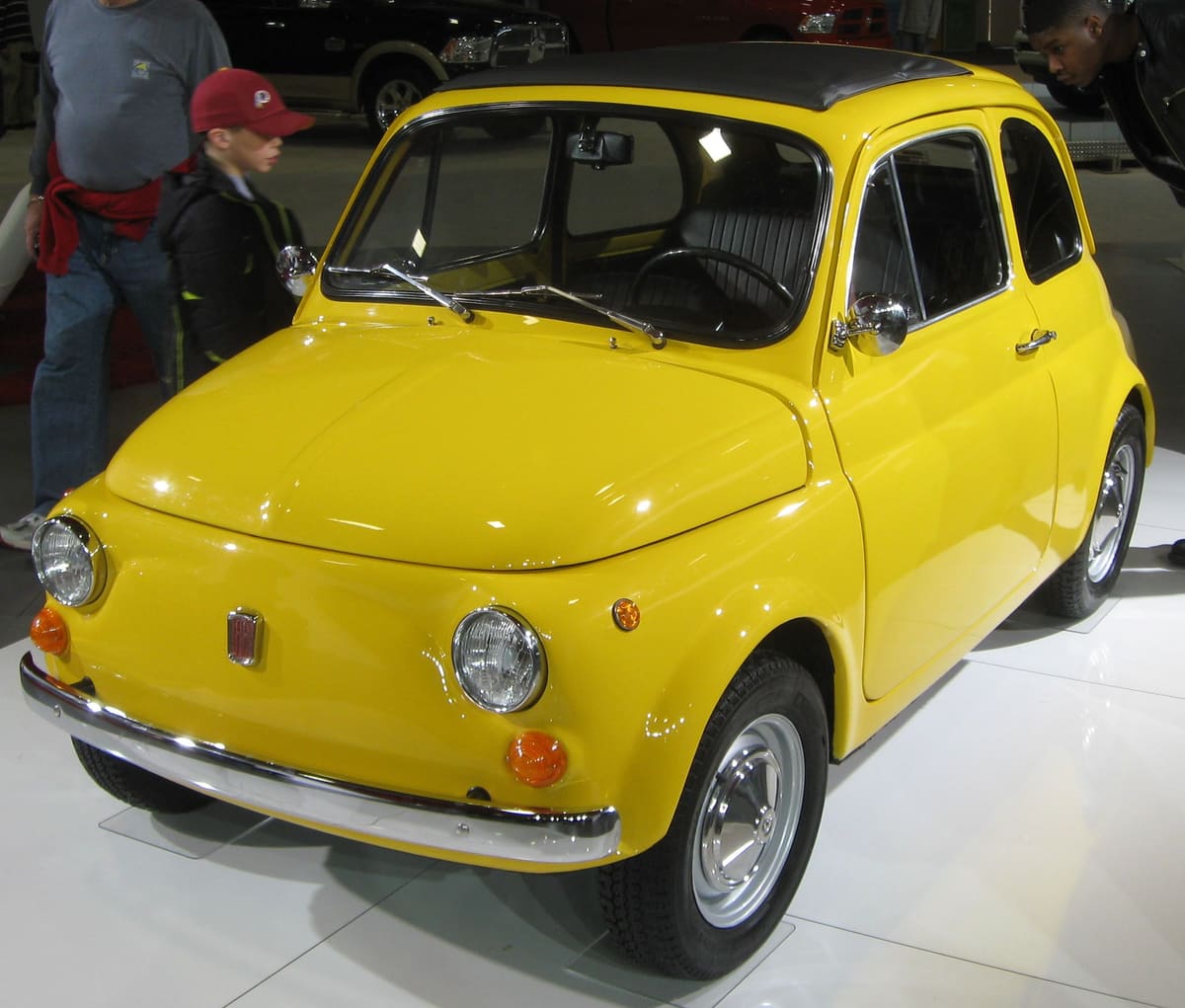
The running costs of a Fiat 500 are generally low, making it an economical choice for many drivers. Fuel consumption varies between the petrol and electric models, insurance groups are reasonable, and tax bands are often favourable. Servicing intervals are manageable, and depreciation is typical for small cars in its class.
Fuel Costs
Charging costs for the electric model can vary, but home charging is generally more economical than petrol.
For petrol models, the cost of fuel will depend on current petrol prices, which fluctuate frequently.
Insurance Groups
Insurance for the Fiat 500 is typically affordable, with most models falling into insurance groups 5 to 12. This makes it a popular choice for younger drivers and those looking for a budget-friendly option. The lower insurance groups are often linked to the smaller engine sizes and lower performance capabilities, which can result in reduced premiums.
When considering insurance, it is important to shop around and compare quotes from various providers. Factors such as driving history, location, and additional security features can also influence the final premium. Overall, the Fiat 500’s insurance costs are competitive, making it an attractive option for budget-conscious drivers.
Tax Bands
The Fiat 500 benefits from low road tax rates due to its small engine size and low emissions. The electric version is exempt from road tax, providing additional savings for eco-conscious drivers.
Tax rates are determined by the vehicle’s CO2 emissions, and the Fiat 500’s efficient engines help keep these figures low. This makes it an appealing choice for urban drivers looking to minimise their overall ownership costs. Additionally, the low tax rates contribute to the Fiat 500’s reputation as an economical vehicle.
Servicing Intervals
Regular maintenance is essential to keep the vehicle running smoothly and to prevent costly repairs down the line.
The Fiat 500 is generally reliable, but like any vehicle, it requires routine checks of fluids, brakes, and tyres. Keeping up with servicing not only helps maintain performance but can also positively impact resale value. Owners should also consider the manufacturer’s warranty, which can cover certain repairs during the initial ownership period.
Typical Depreciation
Depreciation for the Fiat 500 is in line with other small cars, typically losing around 40-50% of its value over the first three years. Factors such as mileage, condition, and market demand can influence how quickly a specific vehicle depreciates. Generally, the Fiat 500 retains its value relatively well compared to other vehicles in its class.
The popularity of the Fiat 500, particularly in urban areas, helps maintain demand in the used car market. This can mitigate depreciation to some extent, especially for well-maintained models with lower mileage. Buyers should consider the vehicle’s history and condition when assessing its potential resale value.
Conclusion
Overall, the Fiat 500 presents a compelling case for those seeking a stylish, economical vehicle. With low running costs, affordable insurance, and manageable servicing intervals, it stands out as a practical choice for many drivers. Its depreciation rates are reasonable, making it a sound investment for both new and used car buyers alike.
Fiat 500 MOT record
From 340,188 recorded MOT tests, 27.1% failed.
| Registered | Tests | Failed | Median mileage |
|---|---|---|---|
| 2023 | 706 | 5.4% | 24,448 mi |
| 2022 | 11,947 | 6.9% | 16,776 mi |
| 2021 | 12,535 | 9.0% | 22,074 mi |
| 2020 | 13,493 | 11.5% | 24,953 mi |
| 2019 | 20,880 | 16.2% | 29,584 mi |
| 2018 | 23,199 | 19.6% | 35,556 mi |
| 2017 | 22,253 | 22.5% | 42,258 mi |
| 2016 | 30,871 | 27.6% | 46,963 mi |
Most common reasons for failure
- A suspension pin, bush or joint excessively worn29.7%
- Tyre tread depth not in accordance with the requirements24.6%
- A tyre seriously damaged17.6%
- A spring or spring component fractured or seriously weakened15.5%
- A shock absorber damaged to the extent that it does not function or showing signs of severe leakage12.6%
Figures cover every Fiat 500 tested in the DVSA dataset, not this specific car. Check a registration for the actual history of one vehicle.
Fiat 500 official figures
Median across 3 variants on sale, electricity.
- Electric range
- 175 miles
- Manufacturer WLTP figure
Official figures for new cars. Real economy varies with driving, load and conditions.
Frequently asked questions
Are there any specific maintenance issues to watch for?
Pay attention to the brake pads and discs, especially on older models like the 2012 Fiat 500. They may wear out faster due to the car's compact size and driving style, leading to squeaking noises or reduced braking efficiency.
How reliable is the Fiat 500?
The Fiat 500 has a mixed reliability record. While many owners report satisfaction, issues with the electrical system, particularly in models from 2014, can arise, leading to dashboard warning lights or problems with the central locking system.
Sources
- DVSA anonymised MOT tests and results (Open Government Licence v3.0)
- VCA new car fuel consumption and emissions data (Open Government Licence v3.0)