Running costs
DS 4 running costs: what UK ownership really costs
DS 4 UK running costs: fuel or electric, insurance group, road tax, servicing and depreciation.
Updated 4th September 2026
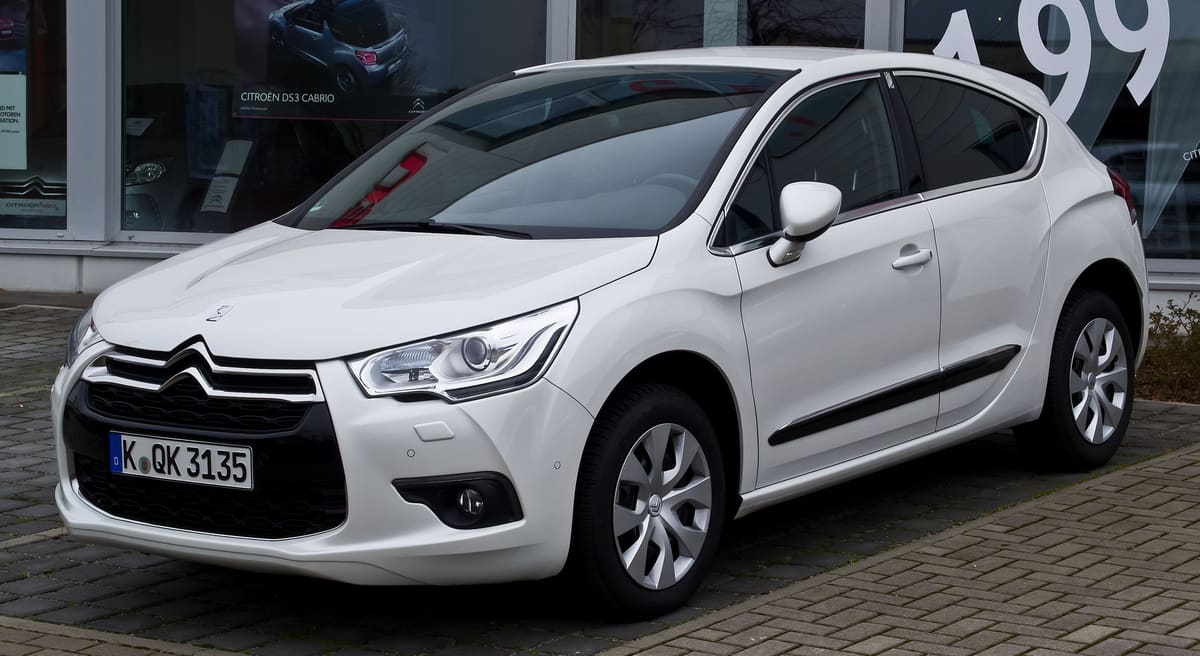
The DS 4 offers a blend of style and practicality, but its running costs can vary significantly based on the model and engine choice. Fuel efficiency, insurance groups, tax bands, servicing intervals, and depreciation all play a role in the total ownership cost, making it essential for prospective buyers to consider these factors.
Fuel and Electric Costs
The DS 4 is available with petrol, diesel, and plug-in hybrid options, each impacting running costs differently. The plug-in hybrid model provides an electric-only range of approximately 30 miles, making it an economical choice for short commutes.
Fuel prices fluctuate, so it’s wise to consider your driving habits. If you frequently drive longer distances, the diesel may prove more economical in the long run. For urban drivers, the plug-in hybrid’s electric capabilities can significantly reduce fuel costs, especially with the increasing availability of charging infrastructure across the UK.
Insurance Group
Insurance costs for the DS 4 vary depending on the specific model and trim level. Generally, the DS 4 falls into insurance groups ranging from 20 to 36, with higher-spec models attracting higher premiums. The lower insurance groups are typically associated with the entry-level models, while the more powerful variants and those with additional features may push the group rating higher.
When selecting a model, it’s essential to consider how the insurance group will affect your overall running costs. Obtaining quotes from various insurers can help you find the best deal, as premiums can differ significantly between providers.
Tax Band
The tax band for the DS 4 is determined by its CO2 emissions, which vary across the different engine options. The plug-in hybrid variant benefits from lower emissions, often placing it in a more favourable tax band.
Understanding the tax implications can help you budget for ownership costs. Lower emissions not only reduce road tax but may also qualify for exemptions in certain areas, such as congestion charges in London, further enhancing the vehicle’s cost-effectiveness.
Servicing Intervals
The DS 4 has a recommended servicing schedule that typically requires maintenance every 12 months or 12,000 miles, whichever comes first. Regular servicing is crucial for maintaining the vehicle’s performance and reliability. The cost of servicing can vary based on the dealership or independent garage you choose, but budgeting for these annual expenses is essential.
In addition to regular servicing, it is advisable to keep an eye on wear-and-tear items such as tyres and brakes, which may require replacement sooner than the standard service interval. Understanding the maintenance requirements can help you avoid unexpected costs down the line.
Typical Depreciation
Depreciation is an important factor to consider when assessing the total ownership cost of the DS 4. On average, new cars lose about 15-20% of their value each year, and the DS 4 is no exception. However, its unique styling and premium positioning may help it retain value better than some competitors.
Factors influencing depreciation include mileage, condition, and market demand. Keeping the car well-maintained and ensuring it has a full service history can help mitigate depreciation effects. When considering resale, it is beneficial to research the market value of similar models to get an accurate picture of expected depreciation.
Conclusion
The DS 4 presents a compelling option for those seeking a stylish and versatile vehicle. By understanding the various components of running costs, including fuel, insurance, tax, servicing, and depreciation, potential owners can make informed decisions. Careful consideration of these factors will help ensure that the DS 4 remains a cost-effective choice throughout its ownership.
DS 4 official figures
Median across 6 variants on sale, electricity, electricity / petrol, petrol electric.
- Combined economy
- 48.3 mpg
- WLTP median across variants
- CO2 emissions
- 132 g/km
- Sets the first-year tax rate
- Electric range
- 145 miles
- Manufacturer WLTP figure
Official figures for new cars. Real economy varies with driving, load and conditions.
Frequently asked questions
Are there any known issues with the DS 4's suspension?
Some DS 4 models, particularly those from 2016, have reported issues with the front suspension, including knocking noises when driving over bumps. Regular checks can help identify worn components like the shock absorbers before they lead to more significant problems.
How reliable is the DS 4 compared to other vehicles?
The DS 4 has generally received positive reviews for reliability, especially models from 2018 onwards. Regular maintenance and timely repairs can significantly enhance its longevity and performance.
What are the common wear items on a DS 4?
Common wear items on a DS 4 include brake pads and discs, which typically need replacement every 20,000 to 30,000 miles depending on driving style. Keeping an eye on these components can prevent more serious braking issues.
Sources
- VCA new car fuel consumption and emissions data (Open Government Licence v3.0)