Running costs
Dacia Spring running costs: what UK ownership really costs
Dacia Spring UK running costs: fuel or electric, insurance group, road tax, servicing and depreciation.
Updated 4th September 2026
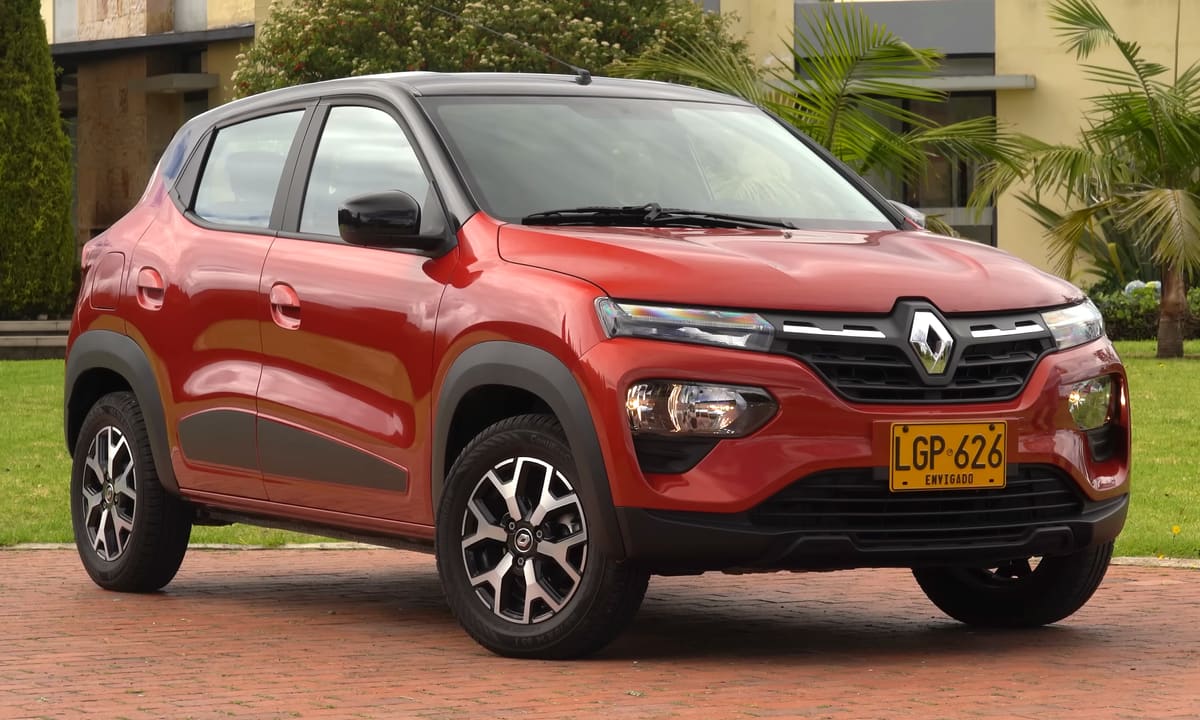
The Dacia Spring offers low running costs, making it an attractive option for budget-conscious drivers. With its electric powertrain, owners benefit from minimal fuel expenses, low insurance premiums, and affordable servicing. Additionally, the car’s depreciation is relatively low, ensuring that overall ownership costs remain manageable.
Fuel and Electric Costs
The Dacia Spring is an all-electric vehicle, which significantly reduces fuel costs compared to traditional petrol or diesel cars.
For those who rely on public charging stations, costs can vary, but many offer competitive rates. Some charging networks provide subscription options, which can further reduce expenses for frequent users. Overall, the Spring’s electric powertrain contributes to substantial savings on fuel compared to conventional vehicles.
Insurance Group
The Dacia Spring falls into a low insurance group, typically around Group 10. This makes it one of the more affordable options in terms of insurance premiums. The low group rating is largely due to its modest performance and lower repair costs associated with electric vehicles.
Insurance costs can vary based on factors such as the driver’s age, location, and driving history. However, the Spring’s low insurance group means that many drivers can expect to pay less than they would for a petrol or diesel equivalent. This affordability adds to the overall appeal of the Dacia Spring for budget-conscious buyers.
Tax Band
As an electric vehicle, the Dacia Spring benefits from zero road tax in the UK. This is a significant advantage for owners, as traditional petrol and diesel vehicles incur annual Vehicle Excise Duty based on CO2 emissions. The Spring’s exemption from this tax is a key factor in its low running costs.
Furthermore, the UK government offers various incentives for electric vehicle owners, including grants for purchasing new electric vehicles. This not only reduces the initial purchase price but also contributes to ongoing savings throughout the ownership period, making the Spring an economical choice.
Servicing Intervals
The Dacia Spring has relatively low servicing requirements compared to conventional vehicles. The recommended servicing interval is every 12 months or 12,000 miles, whichever comes first. This is in line with many modern electric vehicles, which typically require less frequent maintenance.
Electric vehicles like the Spring have fewer moving parts than internal combustion engines, resulting in lower wear and tear. Key maintenance tasks include checking the battery health, brake system, and tyre condition. Dacia’s competitive servicing costs further enhance the Spring’s appeal, ensuring that owners can keep their vehicle in good condition without breaking the bank.
Typical Depreciation
The Dacia Spring is expected to experience moderate depreciation over time, which is a common characteristic of budget-friendly vehicles. While electric vehicles can sometimes depreciate faster than their petrol counterparts, the Spring’s affordability and low running costs help maintain its value.
Factors influencing depreciation include market demand, condition, and mileage. As electric vehicles become more popular, the Spring’s resale value may stabilise. Owners can expect to retain a reasonable percentage of their initial investment, making it a practical choice for those concerned about long-term ownership costs.
Conclusion
Overall, the Dacia Spring stands out for its low running costs, making it an appealing option for those looking to minimise their total ownership expenses. With affordable electric charging, low insurance premiums, zero road tax, and manageable servicing intervals, the Spring is designed for budget-conscious drivers. Its moderate depreciation further enhances its value proposition, ensuring that it remains a sensible choice in the growing electric vehicle market.
Dacia Spring recall record
1 recall has been issued for the Dacia Spring, in 2025.
A risk of loss of Steering
R/2025/490Issued 17 November 2025
For certain vehicles there is a risk of rupture of the steering rack when subjected to high mechanical stress which could lead to loss of control and risk of an accident. Customers are requested to immediately stop driving their vehicles.
Remedy:Replacement of the steering rack.
Affects cars built Jul 2024 to Aug 2024
A recall applies to a build range, not to every car of this model. Check a registration to see whether one specific vehicle has an outstanding recall.
Dacia Spring official figures
Median across 26 variants on sale, electricity.
- Electric range
- 140 miles
- Manufacturer WLTP figure
Official figures for new cars. Real economy varies with driving, load and conditions.
Frequently asked questions
How often does the Dacia Spring need servicing?
The Dacia Spring requires servicing every 12 months or 12,000 miles, whichever comes first. Regular checks on the battery system and brakes are essential to ensure optimal performance and safety.
What is the insurance group for the Dacia Spring?
The Dacia Spring falls into insurance group 10, which is relatively low compared to many other vehicles. This can help keep your insurance premiums more affordable, especially for younger drivers.
What is the battery warranty for the Dacia Spring?
The Dacia Spring comes with an 8-year or 100,000-mile warranty on the battery, which covers any significant capacity loss. This warranty provides peace of mind for long-term ownership.
How does the Dacia Spring perform in terms of road tax?
The Dacia Spring is exempt from road tax in the UK due to its zero emissions. This can lead to significant savings over the years compared to conventional petrol or diesel vehicles.
What are the charging costs for the Dacia Spring?
Charging costs for the Dacia Spring can vary, but on average, a full charge at home can cost around £5. Public charging stations may have different rates, so it's wise to check before charging on the go.
Sources
- VCA new car fuel consumption and emissions data (Open Government Licence v3.0)
- DVSA vehicle safety recalls (Open Government Licence v3.0)