Running costs
Dacia Duster running costs: what UK ownership really costs
Dacia Duster UK running costs: fuel or electric, insurance group, road tax, servicing and depreciation.
Updated 4th September 2026 DVSA data: Across 80,600 recorded MOT tests, 21.0% failed.
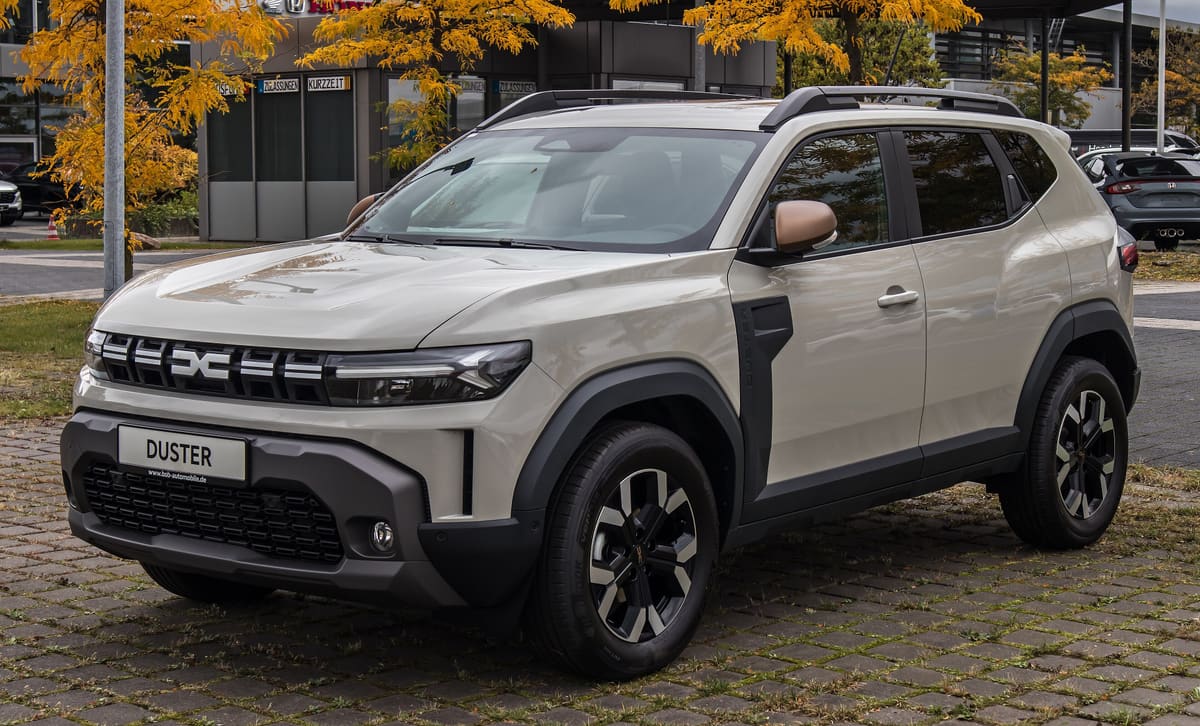
The Dacia Duster offers competitive running costs, making it an appealing choice for budget-conscious drivers. Road tax is affordable, and servicing intervals are typically every 12 months or 12,000 miles. Depreciation is moderate, with values holding up well over time.
Fuel Costs
This makes the Duster an economical choice for both city driving and longer journeys. The cost of fuel will depend on current petrol or diesel prices, but with its efficient engines, drivers can expect to spend less on fuel compared to many competitors in the same segment.
The choice between petrol and diesel can also affect running costs. Diesel engines tend to offer better fuel economy, but the initial purchase price may be higher. Additionally, diesel models may incur higher tax rates in certain scenarios due to emissions regulations. Therefore, it’s essential to consider your driving habits when choosing between the two.
Insurance Group
Insurance costs for the Dacia Duster are relatively low, with most models falling into insurance groups 11 to 16. This makes it an attractive option for younger drivers or those looking to keep their insurance premiums manageable. The lower insurance group is partly due to the Duster’s solid reputation for safety and reliability, which insurers often take into account.
When calculating insurance costs, factors such as the driver’s age, location, and driving history will also play a significant role. It is advisable to shop around for quotes from different insurers, as premiums can vary significantly. Additionally, opting for a higher excess can sometimes reduce the overall cost of insurance.
Road Tax
Road tax for the Dacia Duster is generally affordable, with most models falling into the lower tax bands. The exact cost will depend on the engine type and CO2 emissions. For instance, petrol models typically incur lower rates than diesel variants, especially those with higher emissions.
It’s worth noting that the Duster’s emissions are relatively low compared to other vehicles in its class, which can help keep tax costs down. Always check the specific model’s emissions rating to calculate the exact tax band.
Servicing Intervals
Servicing intervals for the Dacia Duster are set at every 12 months or 12,000 miles, whichever comes first. This regular maintenance schedule is designed to keep the vehicle in optimal condition and can help prevent costly repairs down the line. Routine servicing typically includes oil changes, filter replacements, and checks on essential components.
The cost of servicing can vary depending on the dealership or independent garage used. However, Dacia vehicles are known for their affordability when it comes to parts and labour. Many owners find that servicing their Duster is less expensive compared to other brands, making it a practical choice for long-term ownership.
Depreciation
Depreciation is an important consideration for potential Dacia Duster owners. On average, the Duster tends to depreciate at a moderate rate compared to other vehicles in its class. This is partly due to its reputation for reliability and the brand’s growing popularity in the UK market.
This is relatively good compared to many competitors, which can depreciate more steeply. Factors influencing depreciation include mileage, condition, and market demand. Keeping the vehicle well-maintained and within reasonable mileage can help mitigate depreciation effects.
Overall Ownership Costs
Overall ownership costs for the Dacia Duster remain competitive, especially when considering the combination of fuel efficiency, insurance, road tax, servicing, and depreciation. The Duster’s affordability makes it an appealing option for families and individuals alike.
While initial purchase prices are generally lower than many rivals, the ongoing costs also contribute to its value proposition. Owners often report satisfaction with the balance of running costs and the vehicle’s capabilities, making it a practical choice for everyday use.
Dacia Duster recall record
5 recalls have been issued for the Dacia Duster, between 2017 and 2025.
Risk of parking brake actuator failing
R/2025/378Issued 9 September 2025
For certain vehicles a concern involving the electric traction reducer parking brake mechanism actuator or gearbox engagement actuator within the transmission may result in the parking brake mechanism actuator no longer correctly positioning the locking pawl in the “P lock”.
Remedy:Replacement of the electric traction reducer parking brake mechanism actuator or gearbox Engagement Actuator.
Affects cars built Mar 2024 to Feb 2025
As a preventive measure the technical operation consists of checking the number of the left curtain airbag and if necessary of replacing the one sought identified as non-compliant.
R/2024/031Issued 5 February 2024
On affected vehicles the left side curtain airbag may not deploy in the event of an impact requiring its activation.�
Remedy:Check the number of the left curtain airbag and if necessary replace the one sought identified as non-compliant.�
Affects cars built Jul 2022 to Jul 2022
On the affected vehicle the LPG tank may have been welded incorrectly
R/2023/287Issued 18 October 2023
On the affected vehicle the LPG tank may have been welded incorrectly.
Remedy:Replace the LPG tank.
Affects cars built Feb 2023 to Jul 2023
RISK OF THE KEY JAMMING IN THE START POSITION CAUSING POTENTIAL DAMGE TO THE STARTER MOTOR.
R/2020/307Issued 3 November 2020
There is a possible risk of the ignition switch not disengaging correctly after starting the vehicle resulting in the key jamming in the start position. In rare circumstances this may cause a thermal incident.
Remedy:Replacement of the ignition switch.
Affects cars built Sept 2017 to Oct 2018
1 older recall not shown.
A recall applies to a build range, not to every car of this model. Check a registration to see whether one specific vehicle has an outstanding recall.
Dacia Duster MOT record
From 80,600 recorded MOT tests, 21.0% failed.
| Registered | Tests | Failed | Median mileage |
|---|---|---|---|
| 2023 | 358 | 5.0% | 20,418 mi |
| 2022 | 10,322 | 9.4% | 22,890 mi |
| 2021 | 8,506 | 12.6% | 29,998 mi |
| 2020 | 8,148 | 16.3% | 36,119 mi |
| 2019 | 14,690 | 19.9% | 42,657 mi |
| 2018 | 8,491 | 20.5% | 50,743 mi |
| 2017 | 6,273 | 23.2% | 58,010 mi |
| 2016 | 6,868 | 25.4% | 68,664 mi |
Most common reasons for failure
- Tyre tread depth not in accordance with the requirements34.6%
- A tyre seriously damaged22.0%
- Brake pipe damaged or excessively corroded15.7%
- The aim of a headlamp is not within limits laid down in the requirements14.5%
- A spring or spring component fractured or seriously weakened13.3%
Figures cover every Dacia Duster tested in the DVSA dataset, not this specific car. Check a registration for the actual history of one vehicle.
Dacia Duster official figures
Median across 165 variants on sale, diesel, petrol, petrol / lpg, petrol electric.
- Combined economy
- 45.6 mpg
- WLTP median across variants
- CO2 emissions
- 141 g/km
- Sets the first-year tax rate
Official figures for new cars. Real economy varies with driving, load and conditions.
Frequently asked questions
How often does a Dacia Duster need servicing?
A Dacia Duster generally requires servicing every 12 months or 12,000 miles, whichever comes first. Regular maintenance includes oil changes, air filter replacements, and checks on the brake system to ensure optimal performance and longevity.
What are the typical insurance costs for a Dacia Duster?
Insurance costs for a Dacia Duster can vary, but it often falls within insurance groups 10 to 14, depending on the model year and specifications. This makes it relatively affordable to insure compared to other SUVs in its class.
What are the road tax bands for the Dacia Duster?
The Dacia Duster's road tax varies by engine type and emissions. For example, the 1.0-litre petrol model typically falls into Band B, which means lower annual tax costs due to its reduced CO2 emissions.
How reliable is the Dacia Duster?
The Dacia Duster is generally considered reliable, with many owners reporting few issues over time. However, some drivers have noted that the clutch may wear out faster in models with manual transmissions, particularly if driven in heavy traffic.
What are the common maintenance costs for a Dacia Duster?
Maintenance costs for a Dacia Duster can be quite reasonable. For example, a brake pad replacement typically costs less than on many competitors, and parts like filters and wipers are generally affordable, making it a budget-friendly choice.
Are there any specific parts that frequently need replacing?
Some Dacia Duster owners have reported that the suspension components, particularly the shock absorbers, may require attention after around 50,000 miles. Regular checks can help identify wear and prevent more costly repairs down the line.
Sources
- DVSA anonymised MOT tests and results (Open Government Licence v3.0)
- VCA new car fuel consumption and emissions data (Open Government Licence v3.0)
- DVSA vehicle safety recalls (Open Government Licence v3.0)