Running costs
Cupra Born running costs: what UK ownership really costs
Cupra Born UK running costs: fuel or electric, insurance group, road tax, servicing and depreciation.
Updated 4th September 2026 DVSA data: Across 4,420 recorded MOT tests, 8.0% failed.
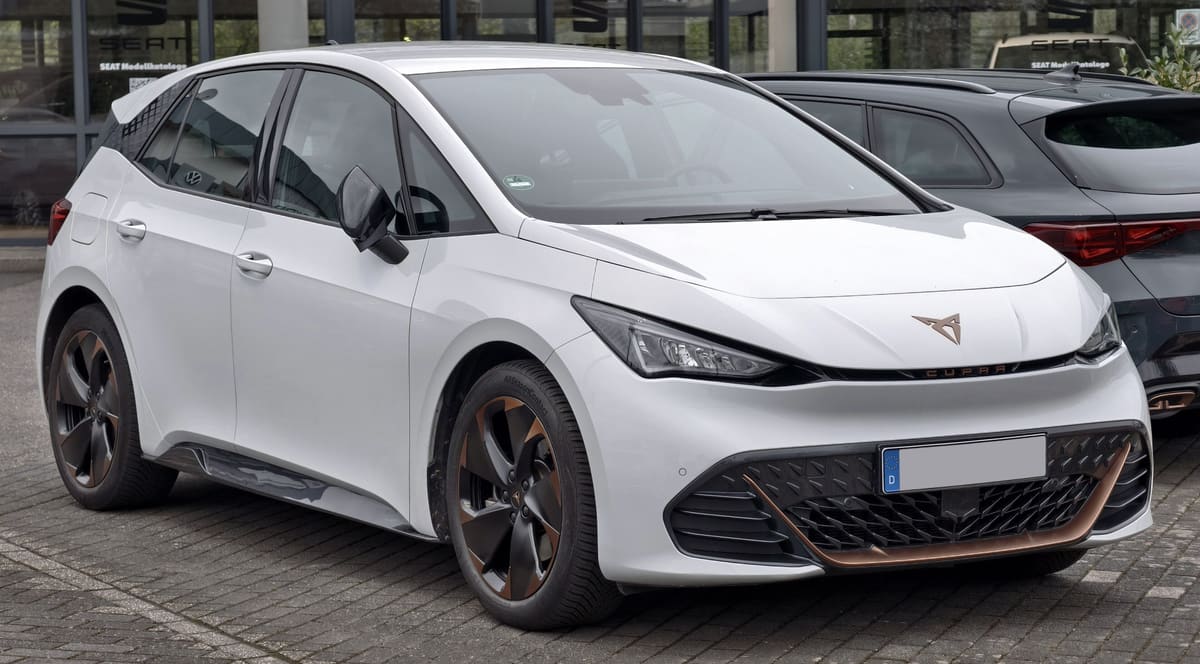
The Cupra Born is an electric vehicle with competitive running costs. Owners can expect low fuel costs due to its electric powertrain, while insurance groups and tax bands are favourable for EVs. Servicing intervals are manageable, and depreciation rates are typical for electric vehicles, making it an appealing choice for budget-conscious drivers.
Fuel and Electric Costs
The Cupra Born is an all-electric vehicle, meaning its fuel costs are significantly lower than traditional petrol or diesel cars. Public charging can vary, with rapid chargers costing more but still offering savings compared to fossil fuels.
For those who rely on home charging, the convenience and lower cost make the Cupra Born an attractive option. Additionally, many energy providers offer special tariffs for electric vehicle owners, further reducing costs. The efficiency of the Born means it can achieve around 4.5 miles per kWh, making it one of the more economical choices in the electric vehicle market.
Insurance Group
The Cupra Born falls into insurance groups that vary depending on the specific model and trim level. Generally, it sits within groups 26 to 30, which is relatively reasonable for a performance-oriented electric vehicle. This places it in a similar bracket to other electric hatchbacks, making it accessible for many drivers.
Insurance costs can fluctuate based on factors such as location, driving history, and the level of coverage chosen. However, many insurance providers offer discounts for electric vehicle owners, recognising the lower risk associated with EVs. This can make the Cupra Born an even more appealing choice for those looking to manage their overall ownership costs.
Tax Band
As an electric vehicle, the Cupra Born benefits from significant tax advantages. It falls into the zero-emission tax band, meaning that owners are exempt from road tax (Vehicle Excise Duty) for the first year and pay a nominal fee thereafter. This exemption can lead to substantial savings compared to petrol and diesel vehicles, which often incur higher tax rates.
Moreover, the UK government currently offers incentives for electric vehicle purchases, including grants that can reduce the initial cost. These financial benefits make the Cupra Born a cost-effective option for environmentally conscious drivers who want to minimise their tax liabilities.
Servicing Intervals
The servicing intervals for the Cupra Born are designed to be user-friendly, with recommended service schedules typically every 12 months or 10,000 miles, whichever comes first. This is in line with many electric vehicles, which generally require less frequent servicing than their internal combustion engine counterparts due to fewer moving parts.
Routine maintenance for the Born includes checks on the battery system, brakes, and software updates, which are crucial for optimal performance. The simplicity of electric drivetrains means that overall servicing costs can be lower, as there is no need for oil changes or exhaust system repairs. This can contribute to a more predictable budget for owners over the lifespan of the vehicle.
Typical Depreciation
Depreciation rates for electric vehicles, including the Cupra Born, can differ from traditional cars. While EVs have historically faced steeper depreciation, the growing acceptance and demand for electric vehicles are stabilising these rates. The Cupra Born is expected to hold its value reasonably well, particularly as more consumers shift towards electric mobility.
Factors influencing depreciation include mileage, condition, and market demand. The Cupra Born’s performance and brand reputation may help mitigate depreciation, making it a smart investment for buyers. As the electric vehicle market continues to evolve, the resale value of the Born is likely to remain competitive, appealing to future buyers looking for a reliable and efficient vehicle.
Conclusion
Overall, the Cupra Born presents a compelling case for those considering an electric vehicle. With low running costs, favourable insurance and tax benefits, manageable servicing intervals, and reasonable depreciation, it stands out as a practical choice for UK drivers. As the shift towards electric vehicles accelerates, the Cupra Born is well-positioned to meet the needs of cost-conscious consumers seeking a modern, efficient driving experience.
Cupra Born recall record
1 recall has been issued for the Cupra Born, in 2026.
High-voltage modules replacement
R/2026/040Issued 4 February 2026
On affected vehicles it's possible a faulty module has been installed in the high-voltage battery which may cause either a loss of range a yellow warning lamp to light up or a risk of the battery overheating leading to a fire.
Remedy:Check and replace the affected battery modules.
Affects cars built Feb 2023 to Feb 2023
A recall applies to a build range, not to every car of this model. Check a registration to see whether one specific vehicle has an outstanding recall.
Cupra Born MOT record
From 4,420 recorded MOT tests, 8.0% failed.
| Registered | Tests | Failed | Median mileage |
|---|---|---|---|
| 2022 | 4,420 | 8.0% | 25,677 mi |
Most common reasons for failure
- Tyre tread depth not in accordance with the requirements51.5%
- A tyre cords visible or damaged24.9%
- A tyre seriously damaged23.7%
Figures cover every Cupra Born tested in the DVSA dataset, not this specific car. Check a registration for the actual history of one vehicle.
Frequently asked questions
What are the average running costs for a Cupra Born?
The average running costs for a Cupra Born can vary based on driving habits and electricity prices. Generally, electric vehicles tend to have lower running costs compared to petrol or diesel cars.
How much does it cost to charge a Cupra Born?
Charging costs depend on your electricity tariff and the battery size. On average, charging at home is cheaper than using public charging stations.
What is the insurance cost for a Cupra Born?
Insurance costs for a Cupra Born will depend on factors like your driving history and location. It is advisable to compare quotes from different insurers to find the best deal.
Are there any maintenance costs associated with the Cupra Born?
Electric vehicles like the Cupra Born typically have lower maintenance costs since they have fewer moving parts. However, regular servicing and checks are still necessary.
How does the Cupra Born's running cost compare to traditional petrol cars?
The running costs of the Cupra Born are generally lower than those of traditional petrol cars due to reduced fuel costs and less frequent maintenance. However, initial purchase prices may differ.
What are the tax implications for owning a Cupra Born?
Electric vehicles like the Cupra Born often benefit from lower road tax rates and may qualify for government incentives. It's best to check the latest regulations for any changes.
How long does the battery last, and what are the replacement costs?
The battery life of a Cupra Born can last several years with proper care. Replacement costs can vary, so it's important to consider warranty options and battery health.
Can I claim any grants or incentives for buying a Cupra Born?
Yes, there may be government grants available for purchasing electric vehicles like the Cupra Born. Check the latest government schemes for eligibility and application details.
Sources
- DVSA anonymised MOT tests and results (Open Government Licence v3.0)
- DVSA vehicle safety recalls (Open Government Licence v3.0)