Running costs
Citroen e-C4 running costs: what UK ownership really costs
Citroen e-C4 UK running costs: fuel or electric, insurance group, road tax, servicing and depreciation.
Updated 4th September 2026 DVSA data: Across 4,376 recorded MOT tests, 15.4% failed.
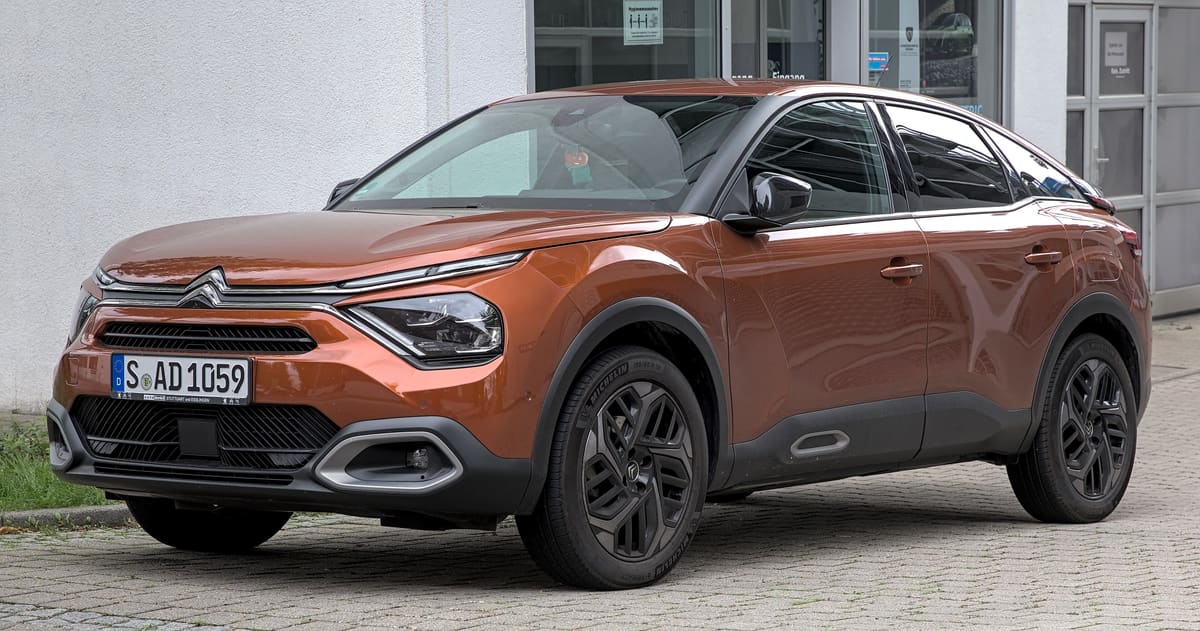
The Citroen e-C4 offers competitive running costs for electric vehicle owners, with low energy expenses, affordable insurance, and minimal road tax. Servicing intervals are reasonable, and depreciation is typical for its class. Overall, the e-C4 presents a cost-effective option for those seeking an electric hatchback.
Fuel and Electric Costs
The Citroen e-C4 is powered entirely by electricity, making its fuel costs significantly lower than traditional petrol or diesel vehicles. The average cost to charge an electric vehicle in the UK is around 14p per kWh. This translates to an average cost of around 3p per mile, which is considerably cheaper than the fuel costs associated with internal combustion engines.
For those who can charge at home, the savings can be even more substantial, especially with the potential for off-peak electricity tariffs. Public charging points may charge slightly more, but many are still competitive compared to petrol prices. Additionally, the e-C4 benefits from the lower running costs associated with electric vehicles, including fewer moving parts and reduced wear on components.
Insurance Group
The Citroen e-C4 falls into insurance group 21, which is relatively low for a vehicle of its size and capabilities. This group rating means that insurance premiums are likely to be more affordable than many comparable electric vehicles. Factors influencing insurance costs include the car’s value, repair costs, and safety ratings.
Drivers should also consider the benefits of electric vehicle insurance policies, which may offer additional perks such as coverage for home charging equipment or roadside assistance tailored for electric vehicles. Comparing quotes from various insurers can help find the best coverage at the most competitive price.
Tax Band
As an electric vehicle, the Citroen e-C4 is exempt from road tax in the UK for the first year. After the first year, it falls into the zero-emission tax band, meaning there are no annual road tax fees. This exemption is a significant financial advantage for electric vehicle owners, especially when compared to traditional petrol and diesel vehicles that incur substantial road tax charges based on CO2 emissions.
The government’s ongoing commitment to promoting electric vehicles means that these tax benefits are likely to remain in place, making the e-C4 an attractive option for budget-conscious drivers. Additionally, the government offers various incentives for electric vehicle ownership, further enhancing the overall cost-effectiveness of the e-C4.
Servicing Intervals
The Citroen e-C4 has a recommended servicing interval of 12 months or 12,000 miles, whichever comes first. This is standard for many vehicles but is particularly advantageous for electric cars, as they generally require less frequent servicing than their petrol or diesel counterparts. The absence of oil changes and fewer moving parts means that maintenance costs can be lower over time.
Routine maintenance for the e-C4 includes checks on the brakes, tyres, and battery health. It is essential to ensure that the vehicle’s software is up to date, as manufacturers often release updates that can improve performance and efficiency.
Typical Depreciation
Depreciation is a crucial factor in the total ownership costs of any vehicle, and the Citroen e-C4 is no exception. Electric vehicles tend to depreciate at a different rate compared to traditional cars, often due to market demand and advancements in battery technology. While the e-C4 is expected to experience typical depreciation for its segment, the overall demand for electric vehicles is rising, which may help maintain its value better than some petrol and diesel alternatives.
Factors influencing depreciation include the vehicle’s age, mileage, and condition. Electric vehicles, including the e-C4, may also benefit from government incentives and a growing interest in sustainable transport, which could positively impact resale values. Keeping the vehicle well-maintained and in good condition can help mitigate depreciation effects over time.
Conclusion
The Citroen e-C4 presents a compelling case for those considering an electric vehicle, with its low running costs, affordable insurance, and tax benefits. The reasonable servicing intervals and typical depreciation rates further enhance its appeal. For UK drivers looking for a cost-effective and environmentally friendly option, the e-C4 is worth considering as part of their vehicle ownership journey.
Citroen e-C4 recall record
2 recalls have been issued for the Citroen e-C4, in 2022.
THE REAR SUSPENSION SPRING MAY BECOME DETACHED FROM THE LOWER LOCATING CUP
R/2022/023Issued 1 February 2022
It is possible for the rear suspension spring to become detached from the lower locating cup.
Remedy:Replace both rear suspension springs and their upper and lower locating cups.
Affects cars built May 2020 to Aug 2021
THE OPEN CIRCUIT DETECTION SYSTEM COULD BE OVER SENSITIVE CAUSING A NUMBER OF OPERATIONAL ISSUES
R/2022/013Issued 13 January 2022
A possibility that the open circuit detection system could be over-sensitivite causing a number of operational issues including sudden power loss.
Remedy:Download the latest software configuration check some electronic units and replace them if necessary.
Affects cars built May 2020 to Jun 2020
A recall applies to a build range, not to every car of this model. Check a registration to see whether one specific vehicle has an outstanding recall.
Citroen e-C4 MOT record
From 4,376 recorded MOT tests, 15.4% failed.
| Registered | Tests | Failed | Median mileage |
|---|---|---|---|
| 2022 | 3,099 | 13.7% | 22,349 mi |
| 2021 | 1,277 | 19.7% | 28,474 mi |
Most common reasons for failure
- Tyre tread depth not in accordance with the requirements32.5%
- A tyre seriously damaged19.2%
- A suspension pin, bush or joint excessively worn17.9%
- Brake disc or drum excessively weakened, insecure or fractured16.9%
- A suspension joint dust cover missing or no longer prevents the ingress of dirt etc13.5%
Figures cover every Citroen e-C4 tested in the DVSA dataset, not this specific car. Check a registration for the actual history of one vehicle.
Citroen e-C4 official figures
Median across 16 variants on sale, electricity.
- Electric range
- 229.5 miles
- Manufacturer WLTP figure
Official figures for new cars. Real economy varies with driving, load and conditions.
Frequently asked questions
What are the typical running costs for a Citroen e-C4?
The running costs for a Citroen e-C4 generally include electricity for charging, insurance, maintenance, and road tax. As an electric vehicle, it benefits from lower fuel costs compared to petrol or diesel cars.
How much does it cost to charge a Citroen e-C4?
Charging costs depend on your electricity tariff and the battery capacity. On average, charging at home can be more economical than using public charging stations.
Is the Citroen e-C4 expensive to insure?
Insurance costs for the Citroen e-C4 can vary based on factors like your driving history and location. Generally, electric vehicles may have competitive insurance rates.
What maintenance costs should I expect for the Citroen e-C4?
Maintenance costs for the Citroen e-C4 are typically lower than for traditional vehicles, as electric cars have fewer moving parts. Regular checks and software updates are important for optimal performance.
Are there any government incentives for owning a Citroen e-C4?
Yes, the UK government offers various incentives for electric vehicle owners, including grants for purchasing and reduced road tax. These can help lower the overall running costs.
How does the depreciation of the Citroen e-C4 compare to petrol cars?
Electric vehicles like the Citroen e-C4 can depreciate differently than petrol cars, often depending on market demand and battery technology. Generally, they may hold their value better as the demand for EVs increases.
What is the expected range of the Citroen e-C4 on a full charge?
The Citroen e-C4 offers a competitive range on a full charge, making it suitable for daily commutes and longer journeys. However, actual range can vary based on driving style and conditions.
Sources
- DVSA anonymised MOT tests and results (Open Government Licence v3.0)
- VCA new car fuel consumption and emissions data (Open Government Licence v3.0)
- DVSA vehicle safety recalls (Open Government Licence v3.0)