Running costs
BYD Seal running costs: what UK ownership really costs
BYD Seal UK running costs: fuel or electric, insurance group, road tax, servicing and depreciation.
Updated 4th September 2026
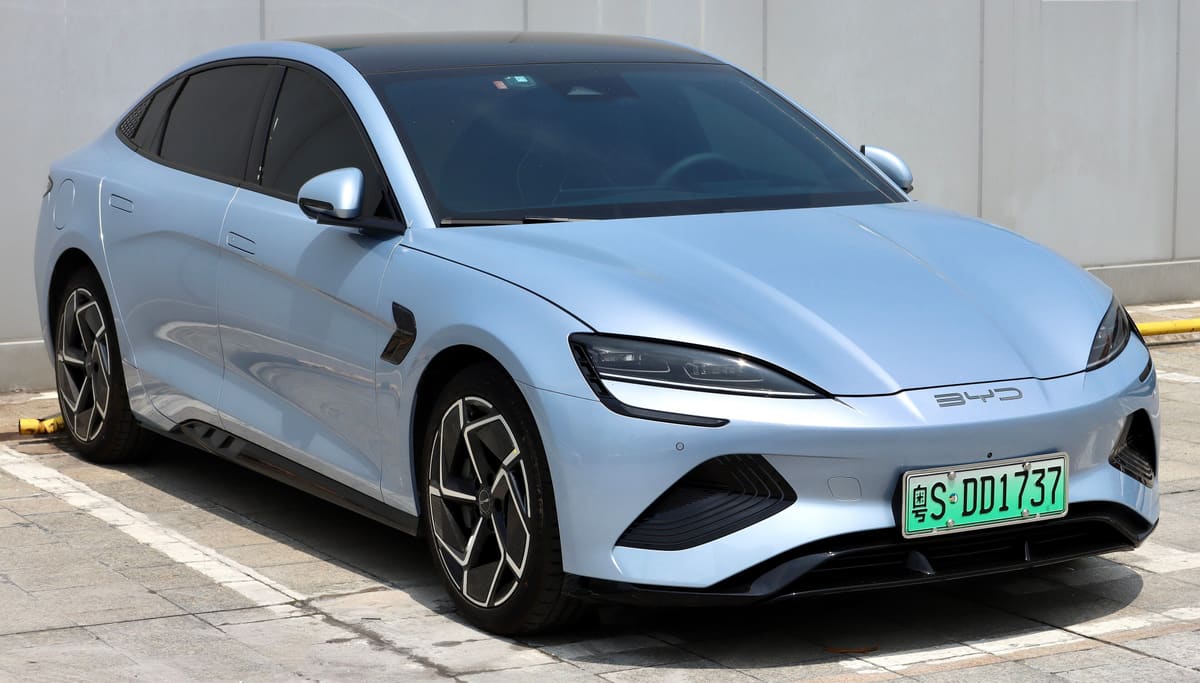
The BYD Seal offers competitive running costs for electric vehicle owners in the UK. With low charging expenses, affordable insurance, minimal road tax, and reasonable servicing intervals, it stands out as an economical choice. Depreciation is expected to be moderate, making it a sensible investment for environmentally conscious drivers.
Fuel and Charging Costs
The BYD Seal is an all-electric vehicle, meaning it runs on electricity rather than petrol or diesel. Charging costs vary depending on the energy provider and whether you use a home charger or public charging stations. Public charging can be more expensive, especially at rapid charging points, where costs can rise to 30 pence per kWh or more.
For those who can charge at home, the Seal presents significant savings compared to traditional combustion engines. Additionally, many public charging networks offer subscription models that can further reduce costs for frequent users. Overall, the BYD Seal’s electric powertrain ensures that running costs remain low, especially for daily commuting.
Insurance Group
Insurance for the BYD Seal is generally affordable, falling into a mid-range insurance group. While exact group ratings can vary based on the specific model and trim level, it is expected to be in the range of groups 30-35. This makes it comparable to other electric vehicles in its class, such as the Tesla Model 3 or the Kia EV6.
When considering insurance, factors such as your driving history, location, and the level of coverage you choose will impact your premiums. Many insurers also offer discounts for electric vehicle owners, reflecting the lower risk associated with EVs. Therefore, it is advisable to shop around for the best rates, as premiums can vary significantly between providers.
Road Tax
As an electric vehicle, the BYD Seal benefits from zero road tax in the UK. This is a significant advantage for EV owners, as traditional petrol and diesel vehicles incur annual road tax fees based on CO2 emissions. The UK government has introduced various incentives to encourage electric vehicle adoption, including the exemption from road tax, which can save drivers hundreds of pounds each year.
However, it is essential to stay informed about potential changes to government policies regarding electric vehicles, as future regulations may alter tax benefits. For now, the Seal’s zero road tax status contributes to its overall appeal and running cost efficiency.
Servicing Intervals
The BYD Seal is designed with low maintenance in mind, typical of electric vehicles. Servicing intervals are generally longer than those for traditional cars, often recommended every 12,000 to 18,000 miles or annually, whichever comes first. This is due to fewer moving parts in electric drivetrains, resulting in reduced wear and tear.
Key maintenance tasks for the Seal will include checking the battery health, brake fluid, and tyre condition. While electric vehicles do not require oil changes, it is still crucial to monitor the overall condition of the vehicle to ensure optimal performance. The cost of servicing is typically lower than for conventional vehicles, further enhancing the Seal’s appeal as a cost-effective option.
Typical Depreciation
Depreciation for electric vehicles can vary, but the BYD Seal is expected to experience moderate depreciation over time. Historically, electric vehicles have faced steeper depreciation rates compared to petrol and diesel counterparts, primarily due to concerns over battery life and technology advancements. However, as electric vehicles become more mainstream, these rates are stabilising.
Factors influencing the Seal’s depreciation include market demand, battery performance, and the overall reputation of the BYD brand. As the EV market continues to grow, the Seal’s depreciation may become more favourable, making it a wise investment for buyers.
Conclusion
The BYD Seal presents a compelling case for those considering an electric vehicle in the UK. With low running costs, zero road tax, affordable insurance, and minimal servicing requirements, it stands out as an economical choice. While depreciation rates are still a consideration, the growing acceptance of electric vehicles may lead to better resale values in the future. Overall, the BYD Seal is an excellent option for environmentally conscious drivers looking to reduce their overall ownership costs.
Frequently asked questions
What are the typical running costs for a BYD Seal?
The running costs for a BYD Seal generally include electricity for charging, insurance, maintenance, and road tax. As an electric vehicle, it typically has lower fuel costs compared to petrol or diesel cars.
How much does it cost to charge a BYD Seal?
Charging costs depend on your electricity tariff and how often you charge. On average, charging at home can be more economical than using public charging stations.
Is the maintenance cost for a BYD Seal higher than for traditional cars?
Maintenance costs for the BYD Seal are usually lower than for traditional petrol or diesel cars. Electric vehicles have fewer moving parts, which can lead to reduced servicing needs.
What is the insurance cost like for a BYD Seal?
Insurance costs for a BYD Seal can vary based on factors like your driving history and location. Generally, electric vehicles may have similar or slightly higher insurance premiums compared to conventional cars.
Are there any government incentives for owning a BYD Seal?
Yes, the UK government offers various incentives for electric vehicle owners, such as grants for purchasing and reduced road tax. These incentives can help lower the overall running costs.
How does the road tax for a BYD Seal compare to petrol cars?
Road tax for electric vehicles like the BYD Seal is often significantly lower than for petrol or diesel cars. In many cases, electric vehicles are exempt from road tax altogether.
What are the expected battery replacement costs for a BYD Seal?
Battery replacement costs can vary, but electric vehicle batteries are designed to last for many years. Most manufacturers offer warranties that cover battery performance for a significant period.
Can I charge a BYD Seal at home, and what does it involve?
Yes, you can charge a BYD Seal at home using a standard plug socket or a dedicated home charging point. Installing a home charger may involve an upfront cost but can save you money in the long run.