Running costs
BYD Dolphin running costs: what UK ownership really costs
BYD Dolphin UK running costs: fuel or electric, insurance group, road tax, servicing and depreciation.
Updated 4th September 2026
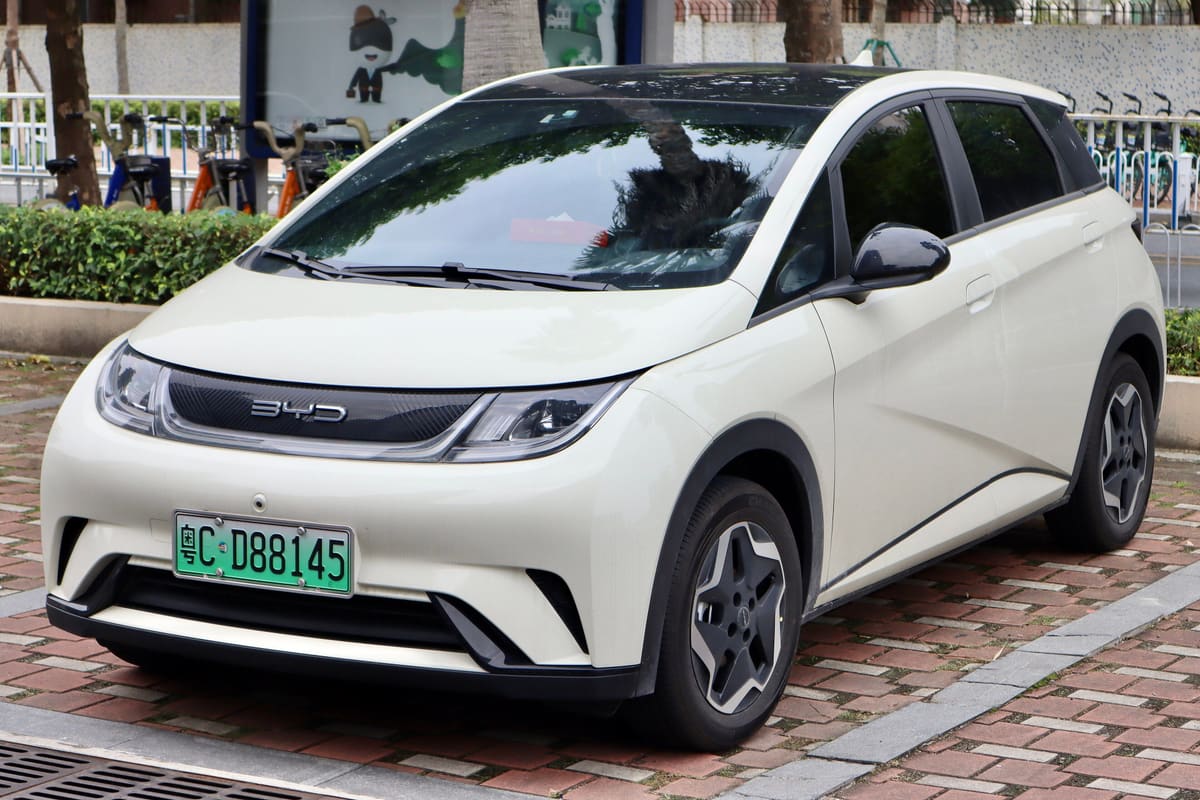
The BYD Dolphin offers competitive running costs for UK drivers, particularly as an electric vehicle. With low charging expenses, affordable insurance, minimal road tax, and reasonable servicing intervals, it presents an attractive ownership proposition. Depreciation rates are typical for electric cars, making it a practical choice for budget-conscious consumers.
Fuel and Charging Costs
The BYD Dolphin is an all-electric vehicle, which means it operates on electricity rather than petrol or diesel. The average cost to charge an electric vehicle in the UK is around 34 pence per kWh.
Charging at home is the most cost-effective option, especially if you have a home charging point. Public charging stations may vary in pricing, with some offering rapid charging at a premium. However, overall, the Dolphin’s electric nature allows for significant savings compared to traditional fuel costs, especially as petrol prices fluctuate.
Insurance Group
The BYD Dolphin falls into a relatively low insurance group, which is beneficial for drivers looking to keep their overall costs down. Insurance groups in the UK range from 1 to 50, with lower numbers indicating cheaper premiums. The Dolphin typically sits in the lower to mid-range of these groups, making it an appealing choice for younger drivers or those with limited insurance budgets.
Factors influencing insurance costs include the vehicle’s value, performance, and safety features. The Dolphin’s electric drivetrain and advanced safety technologies may contribute to lower premiums, as insurers often reward vehicles with high safety ratings and lower theft rates.
Road Tax
As an electric vehicle, the BYD Dolphin benefits from significant savings on road tax. In the UK, electric cars are currently exempt from Vehicle Excise Duty (VED), which means owners do not have to pay annual road tax. This exemption is part of the government’s initiative to encourage the adoption of electric vehicles and reduce emissions.
However, it is essential to consider that these tax benefits may change in the future as the government reviews its policies. Nevertheless, for now, Dolphin owners can enjoy the financial relief of not having to pay road tax, further enhancing the vehicle’s cost-effectiveness.
Servicing Intervals
The servicing intervals for the BYD Dolphin are designed to be straightforward and economical. Typically, electric vehicles require less frequent servicing than their petrol or diesel counterparts due to fewer moving parts and no need for oil changes. The Dolphin generally recommends a service every 12 months or 12,000 miles, whichever comes first.
During these services, technicians will check the battery health, brakes, and other essential components. While electric vehicles tend to have lower maintenance costs, it is still crucial to adhere to the manufacturer’s service schedule to ensure optimal performance and longevity.
Depreciation Rates
Depreciation is an important factor to consider when assessing the total ownership cost of any vehicle, including the BYD Dolphin. Electric vehicles, in general, have experienced varying rates of depreciation, influenced by factors such as market demand, battery technology, and government incentives.
The Dolphin’s depreciation is expected to be in line with other electric vehicles, which typically see a slower depreciation rate compared to traditional internal combustion engine vehicles. This is partly due to the growing acceptance of electric vehicles and the increasing infrastructure supporting them. However, potential buyers should keep in mind that the resale value may fluctuate based on advancements in technology and market trends.
Overall Cost of Ownership
When evaluating the total cost of ownership for the BYD Dolphin, it is essential to consider all aspects, including fuel costs, insurance, road tax, servicing, and depreciation. The combination of low running costs and government incentives makes the Dolphin an appealing choice for budget-conscious drivers.
Moreover, the environmental benefits of driving an electric vehicle, such as reduced emissions and a smaller carbon footprint, add to the overall value proposition. As the UK moves towards a greener future, the BYD Dolphin stands out as a practical and economical option for those looking to make the switch to electric driving.
Frequently asked questions
What are the typical running costs for a BYD Dolphin?
The running costs for a BYD Dolphin generally include electricity for charging, insurance, maintenance, and road tax. As an electric vehicle, it typically has lower fuel costs compared to petrol or diesel cars.
How much does it cost to charge a BYD Dolphin?
Charging costs depend on your electricity tariff and how often you charge. On average, charging at home can be more economical than using public charging stations.
Is the maintenance for a BYD Dolphin expensive?
Maintenance for the BYD Dolphin is usually lower than that of traditional petrol or diesel cars. Electric vehicles have fewer moving parts, which can lead to reduced servicing costs.
What is the insurance cost like for a BYD Dolphin?
Insurance costs can vary based on factors like your driving history and location. Generally, electric vehicles like the BYD Dolphin may have competitive insurance rates compared to similar petrol models.
Are there any government incentives for owning a BYD Dolphin?
Yes, the UK government often offers incentives for electric vehicle owners, such as grants for purchasing the vehicle and reduced road tax. It's worth checking the latest schemes available.
How does the BYD Dolphin's range affect running costs?
The BYD Dolphin's range can impact running costs by determining how often you need to charge. A longer range means fewer charging stops, which can save time and money on electricity.
What are the road tax implications for a BYD Dolphin?
Electric vehicles like the BYD Dolphin are often exempt from road tax or have significantly reduced rates. This can contribute to lower overall running costs.
Can I charge a BYD Dolphin at home?
Yes, you can charge a BYD Dolphin at home using a standard plug socket or a dedicated home charging point. Home charging is usually more convenient and cost-effective.