Running costs
BYD Atto 3 running costs: what UK ownership really costs
BYD Atto 3 UK running costs: fuel or electric, insurance group, road tax, servicing and depreciation.
Updated 4th September 2026 DVSA data: Across 284 recorded MOT tests, 3.9% failed.
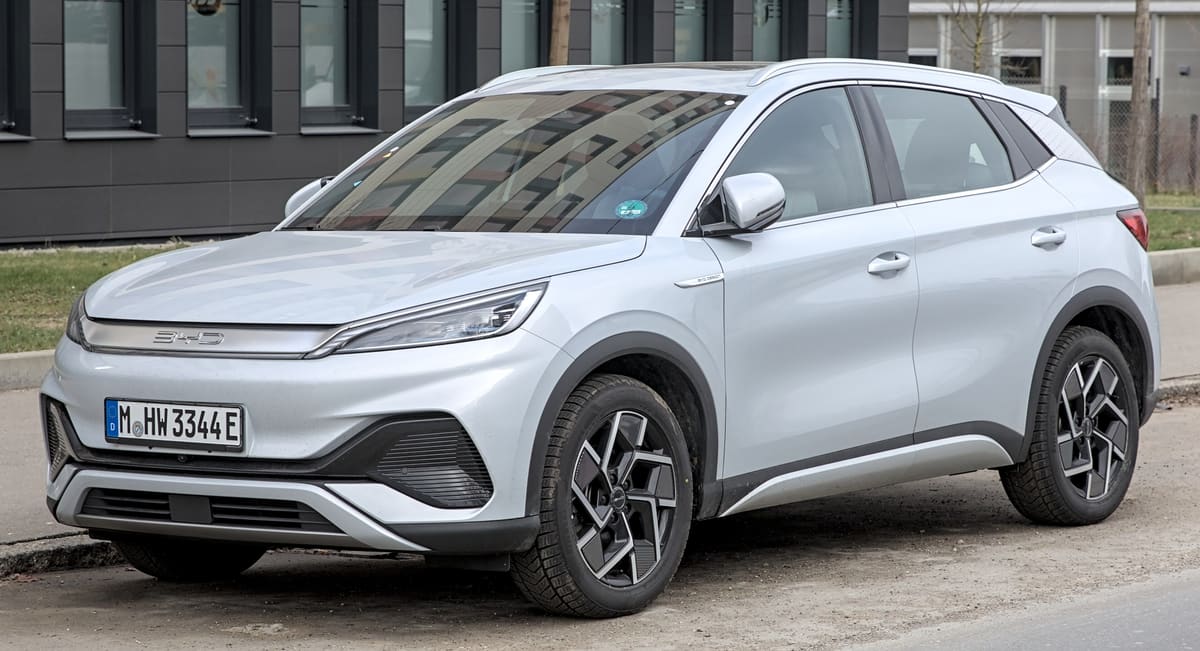
The BYD Atto 3 offers competitive running costs, especially for electric vehicle owners. With low charging costs, insurance in a reasonable group, minimal road tax, and manageable servicing intervals, it presents an attractive total ownership cost. However, depreciation should be considered, as it can impact long-term value.
Fuel and Electric Costs
The BYD Atto 3 is an all-electric vehicle, meaning it runs solely on electricity. Charging costs can vary depending on the energy provider and the time of day. Public charging stations may have different pricing structures, with rapid chargers typically costing more per kWh.
Electric vehicles are generally more efficient than their petrol or diesel counterparts. The Atto 3 can achieve approximately 4 miles per kWh, translating to an effective cost of around 2p per mile when charged at home. This makes it an economical choice for daily commuting and longer journeys alike.
Insurance Group
The BYD Atto 3 falls into a mid-range insurance group, which is beneficial for potential owners. Insurance groups are determined by factors such as the vehicle’s value, performance, and safety features. The Atto 3’s insurance group is likely to be around 25-30, making it more affordable to insure compared to higher-performance electric vehicles.
When considering insurance, it is essential to shop around for the best deals. Many insurers offer competitive rates for electric vehicles, especially as they become more popular. Additionally, electric vehicles often come with advanced safety features that can help lower insurance premiums.
Tax Band
As an electric vehicle, the BYD Atto 3 benefits from zero road tax in the UK. This tax exemption applies to all fully electric cars, making them an attractive option for environmentally conscious drivers. The absence of road tax can significantly reduce the overall cost of ownership compared to petrol or diesel vehicles, which can incur substantial annual fees based on CO2 emissions.
Furthermore, the Atto 3 qualifies for the government’s Plug-in Car Grant, which provides a discount on the purchase price of eligible electric vehicles. This grant can further enhance the financial appeal of owning an Atto 3, making it a cost-effective choice for many drivers.
Servicing Intervals
The servicing intervals for the BYD Atto 3 are typically longer than those for conventional vehicles, thanks to the reduced complexity of electric drivetrains. Generally, the Atto 3 requires servicing every 12 months or 12,000 miles, whichever comes first. This is comparable to many petrol and diesel vehicles but can lead to lower overall maintenance costs.
Electric vehicles like the Atto 3 have fewer moving parts, which often results in lower wear and tear. Key components such as brakes may last longer due to regenerative braking systems, further reducing the need for frequent servicing. Regular maintenance checks are still essential to ensure optimal performance and safety.
Typical Depreciation
Depreciation is an important factor to consider when assessing the total ownership cost of the BYD Atto 3. Electric vehicles have historically depreciated at a faster rate than traditional cars, but this trend is changing as electric vehicles gain popularity and acceptance in the market. The Atto 3’s depreciation will depend on various factors, including mileage, condition, and market demand.
Currently, electric vehicles can expect to retain around 50-60% of their value after three years, though this can vary. As more consumers shift towards electric vehicles, the Atto 3 may experience slower depreciation compared to older models. Keeping the vehicle in good condition and maintaining service records can help mitigate depreciation impacts.
Overall Ownership Cost
When considering the total ownership cost of the BYD Atto 3, it is essential to factor in all aspects, including fuel, insurance, tax, servicing, and depreciation. The Atto 3’s low running costs, combined with tax benefits and potential grants, make it an appealing option for many drivers.
While the initial purchase price may be higher than some petrol or diesel vehicles, the long-term savings on fuel and maintenance can offset this difference. Additionally, as electric vehicle infrastructure continues to improve, the convenience and accessibility of charging will further enhance the ownership experience for Atto 3 drivers.
BYD Atto 3 MOT record
From 284 recorded MOT tests, 3.9% failed.
| Registered | Tests | Failed | Median mileage |
|---|---|---|---|
| 2023 | 284 | 3.9% | 35,032 mi |
Figures cover every BYD Atto 3 tested in the DVSA dataset, not this specific car. Check a registration for the actual history of one vehicle.
Frequently asked questions
What are the average running costs for a BYD Atto 3?
The average running costs for a BYD Atto 3 include electricity charges for charging the battery, maintenance costs, and insurance. These costs can vary based on your driving habits and local electricity rates.
How much does it cost to charge a BYD Atto 3?
Charging costs depend on your electricity tariff and the battery capacity of the Atto 3. On average, you can expect to pay a few pounds for a full charge, which can provide a significant range.
What is the maintenance cost for a BYD Atto 3?
Maintenance costs for the BYD Atto 3 are generally lower than those for traditional petrol or diesel vehicles. Electric vehicles typically require less frequent servicing, mainly focusing on tyre and brake checks.
Are there any government incentives for owning a BYD Atto 3?
Yes, the UK government offers various incentives for electric vehicle owners, such as grants for purchasing electric cars and reduced road tax. These incentives can help lower the overall running costs.
How does the insurance cost for a BYD Atto 3 compare to other vehicles?
Insurance costs for the BYD Atto 3 can vary based on factors like your driving history and location. Generally, electric vehicles may have competitive insurance rates compared to similar petrol or diesel models.
What is the expected lifespan of the battery in a BYD Atto 3?
The battery in a BYD Atto 3 is designed to last for many years, often with warranties covering 8 years or more. Proper care and regular charging can help maximise its lifespan.
How does the fuel cost of a BYD Atto 3 compare to petrol cars?
The fuel cost for a BYD Atto 3 is typically much lower than that of petrol cars, as electricity is generally cheaper than petrol per mile driven. This can lead to significant savings over time.
Sources
- DVSA anonymised MOT tests and results (Open Government Licence v3.0)