Running costs
BMW iX running costs: what UK ownership really costs
BMW iX UK running costs: fuel or electric, insurance group, road tax, servicing and depreciation.
Updated 4th September 2026 DVSA data: Across 5,430 recorded MOT tests, 12.8% failed.
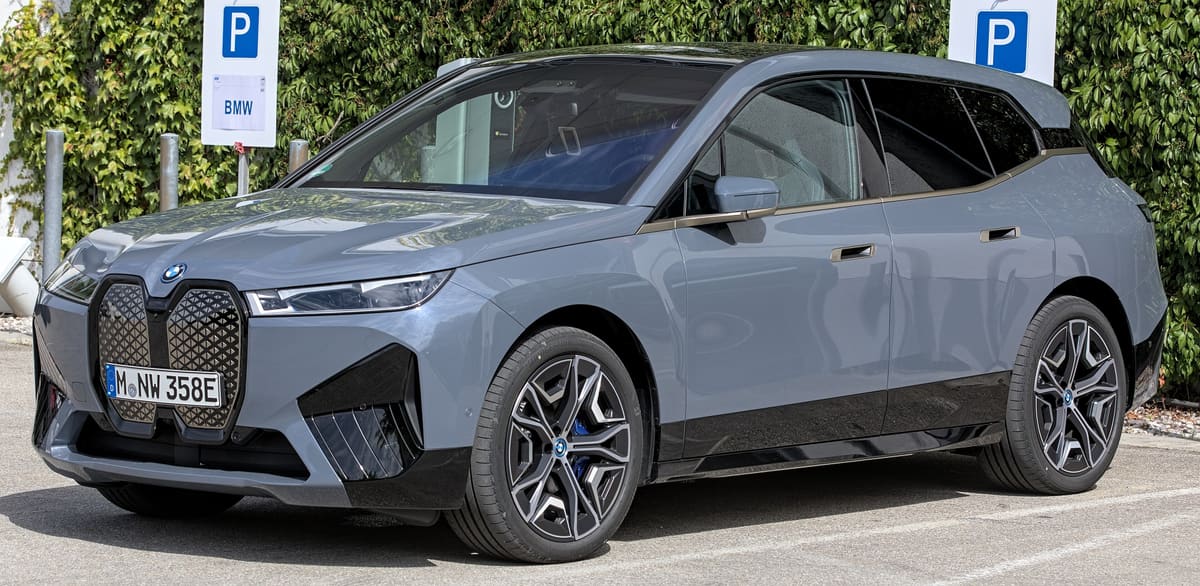
The BMW iX offers competitive running costs for an electric vehicle, with low charging expenses, insurance costs varying by model, tax benefits due to its zero emissions, and reasonable servicing intervals. Depreciation is typical for premium EVs, but the iX’s strong brand reputation helps retain value.
Fuel and Electric Costs
The BMW iX is an all-electric vehicle, meaning it does not use traditional fuel. Instead, it relies on electricity, which can be significantly cheaper than petrol or diesel. Public charging stations might charge slightly more, but many offer competitive rates, especially for rapid charging.
For those who can charge at home, the iX can cover around 300 miles on a full charge, making it suitable for both daily commutes and longer journeys. With the increasing availability of charging infrastructure across the UK, the overall running costs for electricity are becoming more manageable. Additionally, many public charging points offer free charging, further reducing costs for drivers.
Insurance Group
Insurance costs for the BMW iX can vary significantly based on the specific model and the driver’s profile. Generally, the iX falls into a higher insurance group due to its premium status and advanced technology features. For example, the iX xDrive40 typically sits in insurance group 50, while the iX xDrive50 may be in group 51 or higher.
It is advisable for potential buyers to shop around for insurance quotes, as premiums can differ widely between providers. Factors such as the driver’s age, location, and driving history will also influence the final insurance cost. Many insurers offer discounts for electric vehicles, which can help offset the higher base rates.
Tax Band
One of the significant financial advantages of owning a BMW iX is its tax benefits. As a fully electric vehicle, it falls into the zero emissions category, meaning it is exempt from road tax (Vehicle Excise Duty) in the UK. This exemption can lead to substantial savings compared to traditional petrol or diesel vehicles.
Furthermore, electric vehicles are also eligible for the government’s Plug-In Car Grant, which can reduce the purchase price. Local councils may offer additional incentives, such as free parking or access to low-emission zones, making the iX an attractive option for urban drivers.
Servicing Intervals
The BMW iX features longer servicing intervals compared to traditional combustion engine vehicles. This is largely due to the reduced wear and tear on electric components compared to internal combustion engines.
Regular maintenance for the iX primarily involves checking the battery, brakes, and software updates rather than the extensive mechanical checks required for petrol or diesel cars. This can lead to lower overall servicing costs, although it is essential to ensure that the vehicle is serviced by a qualified technician familiar with electric vehicles.
Typical Depreciation
Depreciation is a crucial factor to consider when assessing the total ownership cost of any vehicle, including the BMW iX. Electric vehicles, in general, tend to depreciate faster than traditional cars, primarily due to the rapid advancements in battery technology and the introduction of new models. However, the iX’s strong brand reputation and premium features help mitigate this effect.
The iX, with its modern technology and luxury appeal, may experience slightly less depreciation than other electric vehicles. Buyers should consider the potential resale value when purchasing, as this can significantly impact overall ownership costs.
Conclusion
Overall, the BMW iX presents an appealing option for those considering an electric vehicle in the UK. With low running costs, tax benefits, and reasonable servicing intervals, it stands out in the premium electric market. While depreciation is a factor, the iX’s reputation and features may help retain value better than many competitors.
BMW iX recall record
7 recalls have been issued for the BMW iX, between 2021 and 2025.
Replacing the Cell Module of the High-Voltage Battery
R/2025/274Issued 23 July 2025
On affected vehicles the battery module frame may have been manufactured using too much force. In conjunction with swelling force of the battery this could lead to failure and a possible thermal event within the vehicles life time.
Remedy:On affected vehicles the modules will be replaced.
Affects cars built Sept 2021 to May 2023
On affected vehicles due to a supplier component production process error a damaged Combined Charging Unit may have been installed.
R/2023/235Issued 1 August 2023
On affected vehicles due to a supplier component production process error a damaged Combined Charging Unit may have been installed.
Remedy:Replace the Combined Charging Unit.�
Affects cars built Jun 2022 to Sept 2022
A cable bridge connection connecting two circuit boards within the cell supervision circuit (CSC) might not have been installed properly.
R/2023/133Issued 8 May 2023
A cable bridge connection connecting two circuit boards within the cell supervision circuit (CSC) might not have been installed properly.
Remedy:On the affected vehicles the cell supervision circuit (CSC) inside the high-voltage battery will be replaced.
Affects cars built Nov 2021 to Jan 2023
During the supplier s production process of the battery cells a manufacturing defect occurred. During assembly of the cell the cathode plate may have been damaged and a broken piece may have entered the interior of the cell.
R/2022/330Issued 21 October 2022
During assembly of the HV Battery cell the cathode plate may have been damaged and a broken piece may have entered the interior of the cell. BMW strongly recommends refraining from charging the high-voltage battery and to not use the vehicles until the repair is performed. BMW also recommends parking the vehicle outdoors and not in the immediate vicinity of buildings.
Remedy:On the affected vehicles the defective cell modules of the high-voltage battery will be replaced.
Affects cars built Jul 2021 to Aug 2022
3 older recalls not shown.
A recall applies to a build range, not to every car of this model. Check a registration to see whether one specific vehicle has an outstanding recall.
BMW iX MOT record
From 5,430 recorded MOT tests, 12.8% failed.
| Registered | Tests | Failed | Median mileage |
|---|---|---|---|
| 2022 | 5,087 | 12.8% | 29,262 mi |
| 2021 | 343 | 12.5% | 34,457 mi |
Most common reasons for failure
- Tyre tread depth not in accordance with the requirements44.0%
- A tyre seriously damaged29.5%
- A tyre cords visible or damaged13.5%
- Wiper blade missing or obviously not clearing the windscreen7.9%
- A steering ball joint with excessive wear or free play5.1%
Figures cover every BMW iX tested in the DVSA dataset, not this specific car. Check a registration for the actual history of one vehicle.
BMW iX official figures
Median across 8 variants on sale, electricity.
- Electric range
- 368.5 miles
- Manufacturer WLTP figure
Official figures for new cars. Real economy varies with driving, load and conditions.
Frequently asked questions
What are the average running costs for a BMW iX?
The average running costs for a BMW iX can vary based on driving habits and electricity prices. Generally, electric vehicles like the iX are cheaper to run than traditional petrol or diesel cars.
How much does it cost to charge a BMW iX?
Charging costs depend on your electricity tariff and the battery capacity of the iX. On average, charging at home can be more economical than using public charging stations.
What is the maintenance cost for a BMW iX?
Maintenance costs for the BMW iX are typically lower than for conventional vehicles due to fewer moving parts. However, regular servicing is still necessary to keep the vehicle in good condition.
Are there any government incentives for owning a BMW iX?
Yes, the UK government offers various incentives for electric vehicle owners, including grants for home charging points and exemptions from certain taxes. Check the latest government policies for specific details.
How does insurance for a BMW iX compare to other vehicles?
Insurance costs for the BMW iX can vary based on factors like your driving history and location. Generally, electric vehicles may have different insurance rates compared to petrol or diesel cars.
What are the tax benefits of owning a BMW iX?
Owning a BMW iX can provide tax benefits, such as lower road tax rates and potential exemptions from congestion charges in certain areas. It's advisable to check the current tax regulations for electric vehicles.
How does the BMW iX's range affect running costs?
The range of the BMW iX can influence running costs, as a longer range may reduce the frequency of charging. This can lead to lower overall costs if you can charge at home and avoid public charging fees.
What are the costs associated with battery replacement for the BMW iX?
Battery replacement costs can be significant, but the BMW iX comes with a warranty that typically covers the battery for several years. It's important to consider this when calculating long-term running costs.
Sources
- DVSA anonymised MOT tests and results (Open Government Licence v3.0)
- VCA new car fuel consumption and emissions data (Open Government Licence v3.0)
- DVSA vehicle safety recalls (Open Government Licence v3.0)