Running costs
BMW i4 running costs: what UK ownership really costs
BMW i4 UK running costs: fuel or electric, insurance group, road tax, servicing and depreciation.
Updated 4th September 2026 DVSA data: Across 6,750 recorded MOT tests, 14.2% failed.
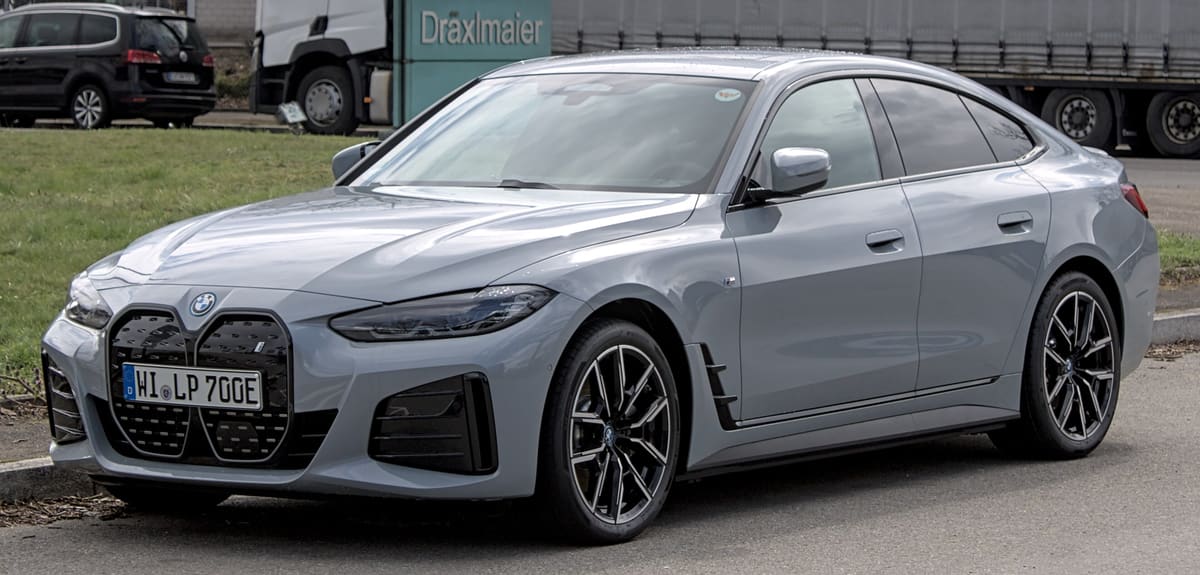
The BMW i4 offers competitive running costs for an electric vehicle, with low charging expenses, insurance group ratings from 31 to 34, and a tax band of 1.
Fuel and Charging Costs
The BMW i4 is an all-electric vehicle, which means fuel costs are significantly lower than those of traditional petrol or diesel cars. Public charging stations may vary in price, with rapid chargers costing more per kWh.
For those who can charge at home, the cost-effectiveness of the i4 becomes apparent. This translates to a cost of around 3p per mile, which is significantly lower than the average cost of petrol or diesel vehicles.
Insurance Group
Insurance for the BMW i4 falls within groups 31 to 34, depending on the specific model and trim level. This places it in a relatively affordable bracket for electric vehicles, especially when compared to high-performance petrol alternatives. The cost of insurance will vary based on factors such as your driving history, location, and the level of cover you choose.
It is advisable to shop around and compare quotes from various insurers to find the best deal. Additionally, many insurers offer discounts for electric vehicles, which can further reduce costs.
Tax Band
The BMW i4 is classified in tax band 1, which means it benefits from zero road tax in the first year of registration. This is a significant advantage for electric vehicle owners, as it reduces the overall cost of ownership. After the first year, the annual road tax remains low, making it an attractive option for budget-conscious drivers.
Moreover, the i4 qualifies for the UK government’s plug-in car grant, which can further offset the initial purchase price. This financial incentive, combined with the zero emissions of the vehicle, makes it an appealing choice for environmentally conscious consumers.
Servicing Intervals
This interval is relatively generous compared to traditional petrol or diesel vehicles, which often require more frequent servicing. The electric powertrain of the i4 has fewer moving parts, which contributes to lower maintenance costs over time.
While electric vehicles generally have lower servicing needs, it is still essential to adhere to the manufacturer’s guidelines to ensure optimal performance and longevity. Regular checks on the battery health, brakes, and tyres are vital, as these components can wear differently compared to conventional vehicles.
Typical Depreciation
Depreciation for the BMW i4 is moderate, typical for electric vehicles in its class. While electric cars tend to depreciate faster than their petrol counterparts initially, the i4’s strong brand reputation and performance capabilities help it retain value better than many rivals. Factors such as mileage, condition, and market demand will influence the resale value.
However, the i4’s appeal and the growing acceptance of electric vehicles may help it perform better in the used car market. As more consumers shift towards electric options, the demand for models like the i4 is likely to remain strong.
Conclusion
The BMW i4 presents a compelling case for those looking for an electric vehicle with manageable running costs. With low charging expenses, reasonable insurance rates, minimal road tax, and moderate servicing and depreciation, it stands out as a practical choice for UK drivers. Whether for daily commuting or longer journeys, the i4 combines efficiency with performance, making it a worthy investment for the future.
BMW i4 recall record
7 recalls have been issued for the BMW i4, between 2022 and 2025.
Replacing the Cell Module of the High-Voltage Battery
R/2025/274Issued 23 July 2025
On affected vehicles the battery module frame may have been manufactured using too much force. In conjunction with swelling force of the battery this could lead to failure and a possible thermal event within the vehicles life time.
Remedy:On affected vehicles the modules will be replaced.
Affects cars built Jun 2022 to Jun 2023
Longitudinal Chassis Beam
R/2024/258Issued 19 June 2024
On affected vehicles during production excessive force may have been applied to the rear left hand side chassis longitudinal beam which could lead to it cracking and affecting its structural strength.
Remedy:On affected vehicles the rear left hand side chassis longitudinal beam will be checked and if necessary replaced.
Affects cars built Apr 2024 to Apr 2024
Replace cell module in high-voltage battery
R/2024/211Issued 29 February 2024
On affected vehicles if faulty cell modules have been installed then a malfunction may occur in the high voltage battery
Remedy:On the affected vehicles the faulty cell modules in the High Voltage battery will be replaced
Affects cars built Dec 2023 to Dec 2023
On affected vehicles due to a supplier component production process error a damaged Combined Charging Unit may have been installed.
R/2023/235Issued 1 August 2023
On affected vehicles due to a supplier component production process error a damaged Combined Charging Unit may have been installed.
Remedy:Replace the Combined Charging Unit.�
Affects cars built Jun 2022 to Jul 2022
3 older recalls not shown.
A recall applies to a build range, not to every car of this model. Check a registration to see whether one specific vehicle has an outstanding recall.
BMW i4 MOT record
From 6,750 recorded MOT tests, 14.2% failed.
| Registered | Tests | Failed | Median mileage |
|---|---|---|---|
| 2023 | 378 | 9.8% | 26,950 mi |
| 2022 | 6,372 | 14.4% | 31,450 mi |
Most common reasons for failure
- Tyre tread depth not in accordance with the requirements36.0%
- A tyre seriously damaged34.8%
- A tyre cords visible or damaged24.1%
- Wiper blade missing or obviously not clearing the windscreen2.7%
- Number plate does not conform to the specified requirements2.4%
Figures cover every BMW i4 tested in the DVSA dataset, not this specific car. Check a registration for the actual history of one vehicle.
BMW i4 official figures
Median across 11 variants on sale, electricity.
- Electric range
- 339 miles
- Manufacturer WLTP figure
Official figures for new cars. Real economy varies with driving, load and conditions.
Frequently asked questions
What are the average running costs for a BMW i4?
The average running costs for a BMW i4 can vary based on factors like driving habits and electricity prices. Generally, electric vehicles tend to have lower running costs compared to petrol or diesel cars.
How much does it cost to charge a BMW i4?
Charging costs depend on your electricity tariff and the battery size. On average, charging at home can be more economical than using public charging stations.
Are there any maintenance costs for the BMW i4?
The BMW i4 has fewer moving parts than traditional vehicles, which can lead to lower maintenance costs. However, regular servicing is still recommended to keep the vehicle in good condition.
What is the insurance cost for a BMW i4?
Insurance costs for a BMW i4 can vary based on factors like your driving history and location. It's advisable to compare quotes from different insurers to find the best deal.
How does the BMW i4's running cost compare to petrol cars?
The running costs of the BMW i4 are generally lower than those of petrol cars due to lower fuel costs and reduced maintenance needs. However, initial purchase prices may be higher.
What are the tax implications for owning a BMW i4?
As an electric vehicle, the BMW i4 benefits from lower road tax rates in the UK. Additionally, there may be incentives available for electric vehicle owners.
Can I claim any grants or incentives for the BMW i4?
Yes, there are various grants and incentives available for electric vehicle owners in the UK, such as the Plug-in Car Grant. Check the latest government guidelines for eligibility.
What is the expected battery lifespan for the BMW i4?
The battery lifespan for the BMW i4 is typically around 8 to 10 years, depending on usage and charging habits. Most manufacturers offer warranties that cover the battery for a significant period.
Sources
- DVSA anonymised MOT tests and results (Open Government Licence v3.0)
- VCA new car fuel consumption and emissions data (Open Government Licence v3.0)
- DVSA vehicle safety recalls (Open Government Licence v3.0)