Top fixes
Top BMW 3 Series fixes every owner should know
Cheap, practical fixes for the BMW 3 Series faults you actually meet, with rough costs and what a garage will charge.
Updated 4th September 2026 DVSA data: Across 426,875 recorded MOT tests, 20.6% failed.
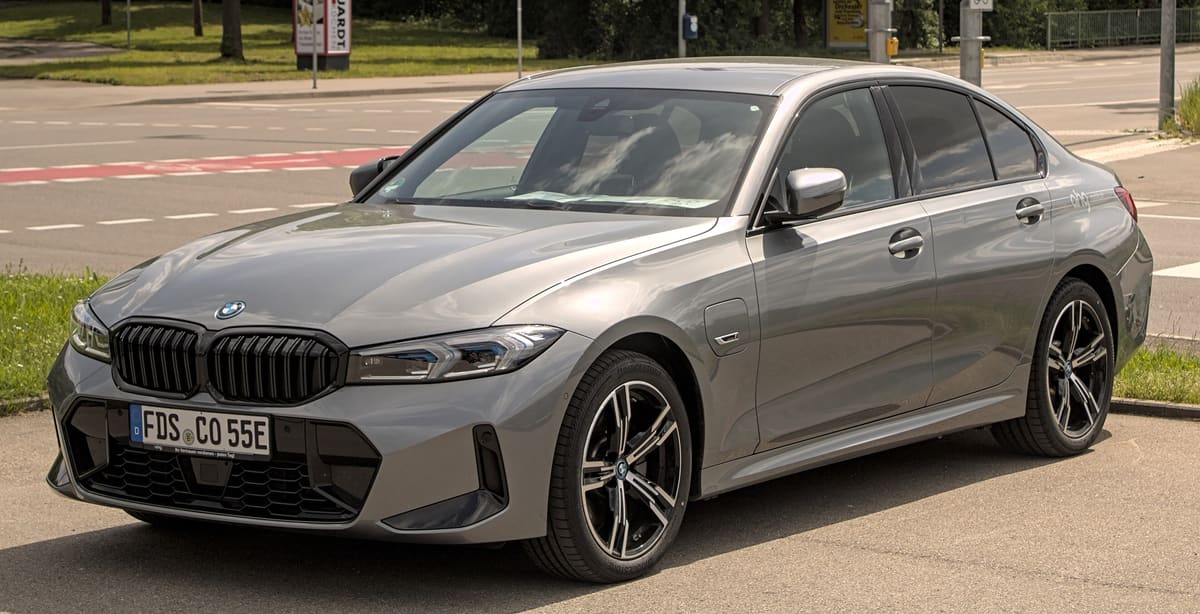
BMW 3 Series models are generally well-built but can develop a few common issues over time. Practical fixes often involve addressing cooling system leaks, suspension wear, electrical gremlins, and oil consumption. Some repairs are straightforward DIY jobs, while others require a garage’s expertise and specialised tools to ensure reliability and safety.
Cooling System Leaks and Overheating
If your BMW 3 Series is overheating or you notice coolant puddles under the car, the cooling system is likely the culprit. Common causes include failing water pumps, leaking hoses, or a faulty radiator. These components wear out with age and mileage, leading to coolant loss and engine temperature problems.
Replacing a water pump or radiator typically involves draining the coolant, removing belts and hoses, and fitting new parts. While an experienced DIYer can handle hose replacements and thermostat swaps, water pump and radiator changes often require a garage visit due to the need for coolant system bleeding and potential recalibration of the cooling system. Regularly checking coolant levels and condition can help catch leaks early and prevent engine damage.
Suspension Wear and Noisy Ride
A clunking noise over bumps or a loose, unsettled feeling in the steering often points to worn suspension components. Common issues include deteriorated bushings, failing shock absorbers, or worn ball joints. These parts degrade with use and affect ride quality and handling precision.
Replacing suspension bushes or shock absorbers involves lifting the car safely, removing wheels, and unbolting the worn parts. While shock absorber swaps can be a DIY job with the right tools and safety precautions, bush replacements and ball joint work can be more complex and may require a garage’s hydraulic presses and alignment equipment. After suspension repairs, a wheel alignment is essential to maintain tyre life and driving safety.
Electrical Gremlins and Warning Lights
BMW 3 Series cars can develop electrical faults such as erratic warning lights, malfunctioning sensors, or problems with central locking and windows. These symptoms often stem from faulty wiring, ageing sensors, or failing control modules.
Diagnosing electrical issues usually requires a diagnostic scanner to read fault codes and pinpoint the problem. Simple fixes like replacing a blown fuse or a faulty sensor can be DIY-friendly if you have basic electrical knowledge. However, more complicated issues involving control modules or wiring repairs are best left to a garage with the right diagnostic tools and expertise to avoid further complications.
Oil Consumption and Engine Smoke
Some BMW 3 Series engines are known to consume oil at a higher rate than expected, sometimes accompanied by blue smoke from the exhaust. This can be caused by worn valve stem seals, piston rings, or turbocharger issues in turbocharged models.
Addressing oil consumption often requires a thorough engine inspection. Minor oil top-ups can be managed by owners, but fixing worn seals or piston rings is a major job involving engine disassembly, which is beyond typical DIY capabilities. Turbocharger repairs also require specialist knowledge. Regular oil checks and using the correct oil type help mitigate risks, but persistent oil burning should be evaluated by a professional to prevent long-term engine damage.
Door Lock and Window Mechanism Faults
Owners sometimes report problems with door locks not responding or windows failing to operate smoothly. These issues usually arise from worn window regulators, faulty door lock actuators, or electrical connection problems inside the door panels.
Replacing window regulators or door lock actuators involves removing the door trim and disconnecting electrical connectors. This can be a DIY job if you are comfortable with interior trim removal and have patience to handle delicate clips and wiring. However, diagnosing electrical faults inside doors can be tricky, so if the problem persists after part replacement, a garage’s diagnostic tools may be needed.
Turbocharger and Fuel System Maintenance
Turbocharged BMW 3 Series models may develop issues such as reduced power or hesitation due to turbocharger wear or fuel system problems like clogged injectors. Symptoms include loss of acceleration or rough running.
Maintaining the turbo and fuel system involves regular servicing, including air filter changes and using quality fuel. Cleaning or replacing fuel injectors is a job for a garage, as it requires specialised equipment. Turbocharger replacement is a complex task involving removal of intake and exhaust components, best handled by professionals. Prompt attention to performance changes can prevent costly repairs later.
By understanding these common BMW 3 Series issues and their practical fixes, owners can better decide when to tackle repairs themselves and when to seek professional help. Regular maintenance and early attention to symptoms will keep your 3 Series running smoothly and reliably.
BMW 3 Series recall record
66 recalls have been issued for the BMW 3 Series, between 1992 and 2026.
Replace the Engine Starter Motor
R/2026/054Issued 2 March 2026
The Safety Recall relates to the engine starter motor. The fault relates to the RSW22 starter RWT (reinforced water tightness). It was found that with RWT starters an increased abrasion of the magnetic contact can cause the growth of deposits at the lowest point of the relay interior. This in turn may increase the relay contact resistance resulting in false starts or even causing short circuits and possibly a thermal reaction. In case of a short circuit the possibility of a thermal event cannot be excluded. This may happen while attempting to start the vehicle or while driving due to vibrations causing a short circuit due to moving deposits.
Remedy:On the affected vehicles the starter motor will be replaced with a variant by another supplier with a different design. Until the repair has been completed it is recommended to not leave the vehicle running unattended after starting the engine.
Affects cars built Sept 2020 to Feb 2024
Replace the Driver’s Airbag – Takata PSDI-5
R/2025/327Issued 12 January 2026
Affected vehicles may be fitted with a drivers airbag which may deploy with too much explosive force causing sharp metal fragments to be released into the cabin. It has the potential to fatally or seriously injure vehicle occupants.
Remedy:Affected vehicles will have the airbag replaced.
Affects cars built Jan 2006 to Oct 2011
Takata Driver and/or Passenger Airbag Recall (Global VINs)
R/2025/349Issued 18 December 2025
Affected vehicles are already included in Safety Recalls within the markets they have previously resided in. The vehicles may be fitted with a driver and/or passenger airbag/s which if deployed may do so with excessive force causing sharp metal fragments to be released this may cause serious injury which could prove fatal to people in the vicinity.
Remedy:Vehicles will have the affected airbags checked and if necessary replaced.
Affects cars built Oct 1997 to Aug 2006
Replace the Engine Starter Motor
R/2025/405Issued 27 October 2025
For affected vehicles there is a concern involving water ingress and corrosion to the starter motor for where a short circuit cannot be ruled out. It is strongly recommended to park the vehicle outdoors and not in the immediate vicinity of buildings until the repair has been carried out.
Remedy:Replacement of the starter motor.
Affects cars built Oct 2015 to Jul 2018
62 older recalls not shown.
A recall applies to a build range, not to every car of this model. Check a registration to see whether one specific vehicle has an outstanding recall.
BMW 3 Series MOT record
From 426,875 recorded MOT tests, 20.6% failed.
| Registered | Tests | Failed | Median mileage |
|---|---|---|---|
| 2022 | 779 | 9.9% | 27,102 mi |
| 2021 | 1,830 | 9.9% | 36,574 mi |
| 2020 | 12,417 | 11.4% | 47,754 mi |
| 2019 | 23,712 | 11.5% | 54,257 mi |
| 2018 | 23,876 | 12.6% | 64,558 mi |
| 2017 | 29,747 | 13.3% | 76,001 mi |
| 2016 | 30,947 | 13.8% | 84,038 mi |
| 2015 | 31,092 | 16.2% | 93,206 mi |
Most common reasons for failure
- Tyre tread depth not in accordance with the requirements35.5%
- A suspension pin, bush or joint excessively worn21.0%
- A tyre seriously damaged17.1%
- A shock absorber damaged to the extent that it does not function or showing signs of severe leakage14.9%
- a brake lining or pad worn below 1.5mm11.5%
Figures cover every BMW 3 Series tested in the DVSA dataset, not this specific car. Check a registration for the actual history of one vehicle.
BMW 3 Series official figures
Median across 40 variants on sale, electricity / petrol, petrol, petrol electric.
- Combined economy
- 41.5 mpg
- WLTP median across variants
- CO2 emissions
- 148 g/km
- Sets the first-year tax rate
Official figures for new cars. Real economy varies with driving, load and conditions.
Frequently asked questions
What are common faults in the BMW 3 Series?
Common faults include oil leaks, electrical issues, suspension wear, coolant leaks, and turbocharger problems.
Can I fix these issues myself?
Many issues are DIY-able, especially if you have basic mechanical skills. However, some may require professional help.
Are there temporary fixes for these issues?
Some fixes, like sealing oil leaks, can be temporary. A proper repair is recommended for long-term reliability.
Sources
- DVSA anonymised MOT tests and results (Open Government Licence v3.0)
- VCA new car fuel consumption and emissions data (Open Government Licence v3.0)
- DVSA vehicle safety recalls (Open Government Licence v3.0)