Running costs
Audi A1 running costs: what UK ownership really costs
Audi A1 UK running costs: fuel or electric, insurance group, road tax, servicing and depreciation.
Updated 4th September 2026 DVSA data: Across 233,294 recorded MOT tests, 20.5% failed.
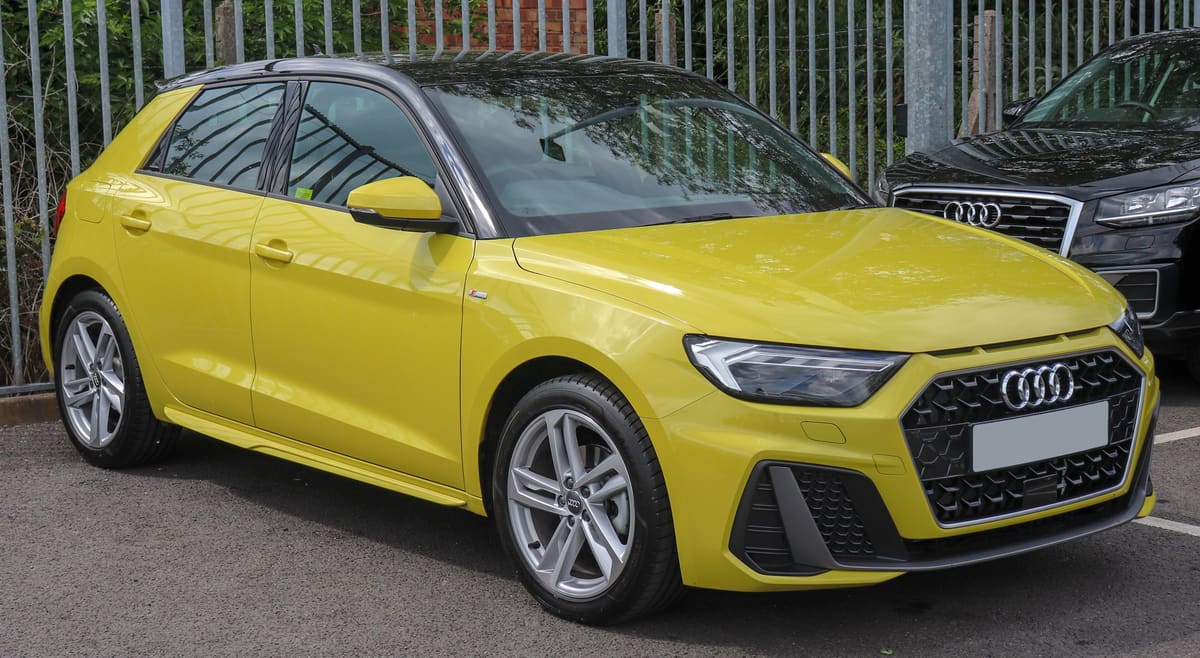
The running costs of an Audi A1 can vary significantly based on the model and engine choice. Generally, owners can expect reasonable fuel efficiency, insurance costs that reflect the model’s insurance group, a manageable tax band, and regular servicing intervals. Depreciation is moderate, with the A1 holding its value relatively well compared to competitors.
Fuel Costs
The Audi A1 is available with a range of petrol and diesel engines, providing a variety of fuel economy figures. This makes the A1 an economical choice for urban driving and longer journeys alike.
Fuel costs will depend on the engine choice and driving style. With petrol prices fluctuating, owners should budget accordingly. Diesel models may offer savings on fuel but could have higher initial purchase prices.
Insurance Group
Insurance costs for the Audi A1 are influenced by the specific model and engine size. Generally, the A1 falls into insurance groups ranging from 12 to 24. Smaller engines, such as the 1.0 TFSI, tend to be cheaper to insure, while more powerful variants, like the 2.0 TFSI, can attract higher premiums.
When considering insurance, it is essential to obtain quotes from multiple providers as prices can vary significantly. Factors such as the driver’s age, location, and driving history will also play a role in determining the final insurance premium. Overall, the A1 is often seen as a reasonable choice within its class for insurance costs.
Road Tax
The Audi A1’s road tax band is determined by its CO2 emissions, which vary between models. For instance, the 1.0 TFSI model, which emits lower CO2 levels, may qualify for the lower tax band.
Therefore, potential buyers should consider the tax implications based on the model year and engine choice when calculating overall ownership costs.
Servicing Intervals
The Audi A1 is designed with a fixed servicing schedule, typically requiring maintenance every 9,000 to 10,000 miles or annually, whichever comes first. This regular servicing helps to maintain the vehicle’s performance and reliability, but it can lead to higher costs compared to cars with longer intervals.
Service costs can vary based on the dealership or independent garage chosen, as well as the specific service required. Major services, which include more extensive checks and replacements, can be more expensive. Owners should factor in these costs when budgeting for the A1, as regular maintenance is crucial for longevity.
Typical Depreciation
Depreciation is a significant factor in the overall ownership costs of any vehicle, and the Audi A1 is no exception. On average, the A1 tends to depreciate at a moderate rate, losing around 40-50% of its value over the first three years. This is relatively competitive within the premium hatchback segment.
Factors influencing depreciation include mileage, condition, and market demand. Models with desirable features or limited editions may retain their value better than standard variants. Buyers should consider the potential resale value when purchasing, as this can impact the total cost of ownership significantly.
Conclusion
the Audi A1 offers a balanced approach to running costs, with competitive fuel efficiency, manageable insurance premiums, reasonable road tax, regular servicing intervals, and moderate depreciation. Prospective buyers should carefully evaluate these factors to ensure the A1 aligns with their financial expectations and driving needs.
Audi A1 recall record
1 recall has been issued for the Audi A1, in 2017.
AIRBAG/BELT TENSIONERS MAY NOT TRIGGER IN EVENT OF AN ACCIDENT
R/2017/078Issued 20 February 2017
Due to an error in the manufacturing process the air bag and/or seat belt pretensioner may not trigger in the event of a collision
Remedy:On affected vehicles replace air bag assembly and seta belt pretensioner where necessary.
Affects cars built May 2016 to Oct 2016
A recall applies to a build range, not to every car of this model. Check a registration to see whether one specific vehicle has an outstanding recall.
Audi A1 MOT record
From 233,294 recorded MOT tests, 20.5% failed.
| Registered | Tests | Failed | Median mileage |
|---|---|---|---|
| 2023 | 938 | 5.0% | 18,084 mi |
| 2022 | 14,721 | 7.9% | 21,049 mi |
| 2021 | 13,834 | 8.6% | 28,611 mi |
| 2020 | 13,144 | 10.7% | 33,710 mi |
| 2019 | 20,178 | 14.0% | 40,510 mi |
| 2018 | 19,575 | 18.2% | 45,103 mi |
| 2017 | 22,611 | 20.2% | 52,956 mi |
| 2016 | 25,176 | 22.8% | 61,245 mi |
Most common reasons for failure
- Tyre tread depth not in accordance with the requirements27.1%
- A suspension pin, bush or joint excessively worn23.4%
- A tyre seriously damaged21.1%
- Brake disc or drum excessively weakened, insecure or fractured16.5%
- a brake lining or pad worn below 1.5mm11.9%
Figures cover every Audi A1 tested in the DVSA dataset, not this specific car. Check a registration for the actual history of one vehicle.
Audi A1 official figures
Median across 10 variants on sale, petrol.
- Combined economy
- 50.4 mpg
- WLTP median across variants
- CO2 emissions
- 127 g/km
- Sets the first-year tax rate
Official figures for new cars. Real economy varies with driving, load and conditions.
Frequently asked questions
What are the average fuel costs for an Audi A1?
The fuel costs for an Audi A1 can vary based on driving habits and fuel type. Generally, it offers good fuel efficiency, making it a cost-effective choice for daily commuting.
How much is road tax for an Audi A1?
Road tax for an Audi A1 depends on the specific model and its CO2 emissions. Typically, newer models with lower emissions benefit from reduced tax rates.
What are the insurance costs for an Audi A1?
Insurance costs for an Audi A1 can vary significantly based on factors like your age, driving history, and location. It is advisable to compare quotes from different insurers to find the best deal.
Are there any common maintenance costs for an Audi A1?
Common maintenance costs for an Audi A1 include regular servicing, tyre replacements, and brake pads. Keeping up with scheduled maintenance can help prevent more costly repairs down the line.
How reliable is the Audi A1 in terms of running costs?
The Audi A1 is generally considered reliable, which can help keep running costs lower. Regular maintenance and care can further enhance its reliability and longevity.
What is the average depreciation rate for an Audi A1?
The depreciation rate for an Audi A1 can vary, but it typically holds its value well compared to other small cars. Factors such as mileage and condition will influence its resale value.
What are the servicing intervals for an Audi A1?
Servicing intervals for an Audi A1 are usually every 10,000 to 15,000 miles or annually, whichever comes first. Regular servicing is essential to maintain performance and efficiency.
How do running costs compare between petrol and diesel Audi A1 models?
Petrol models generally have lower purchase prices and are cheaper to insure, while diesel models may offer better fuel economy. The choice depends on your driving habits and preferences.
Sources
- DVSA anonymised MOT tests and results (Open Government Licence v3.0)
- VCA new car fuel consumption and emissions data (Open Government Licence v3.0)
- DVSA vehicle safety recalls (Open Government Licence v3.0)