Reliability
Alfa Romeo Giulietta reliability: how dependable is it really?
What Alfa Romeo Giulietta owners actually report, by year, plus what MOT data tells us about its reliability.
Updated 15th July 2026 DVSA data: Across 24,268 recorded MOT tests, 30.0% failed.
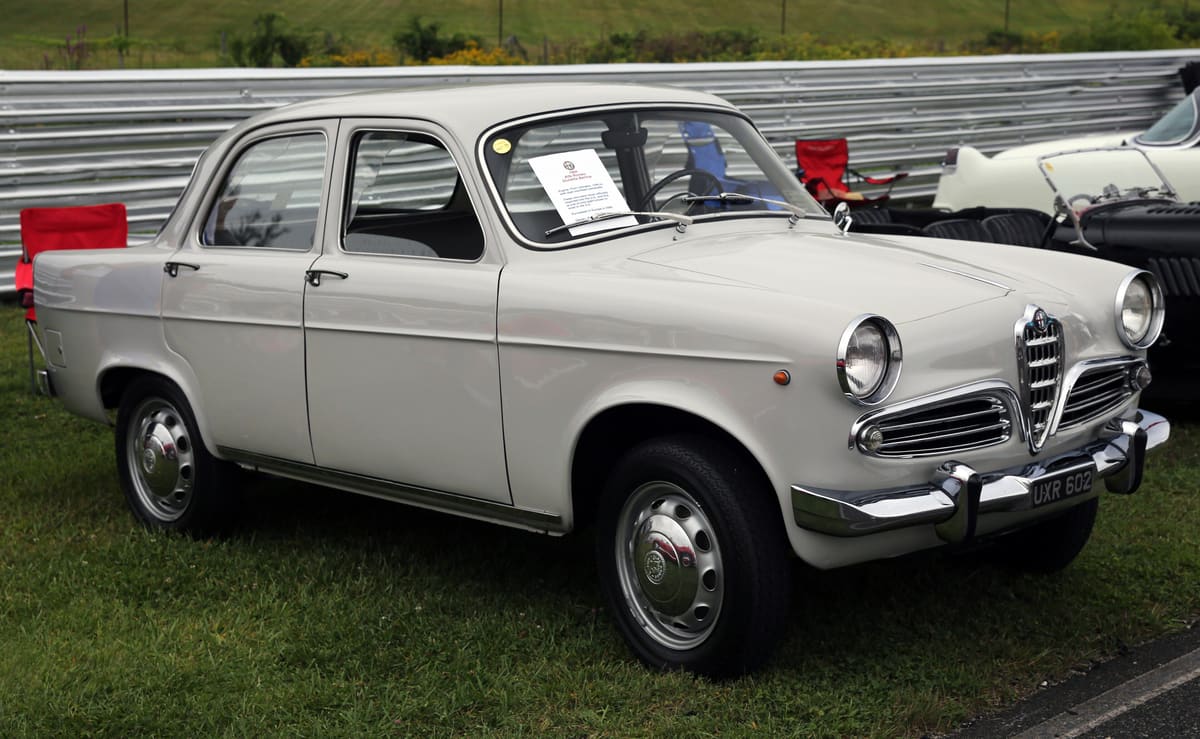
The Alfa Romeo Giulietta is often admired for its stylish design and sporty performance, but how reliable is it? Generally, the Giulietta has a mixed reputation for dependability, with some years performing better than others. Understanding its reliability year by year can help potential buyers make informed decisions.
Early Models (2010-2012)
The first generation of the Alfa Romeo Giulietta, launched in 2010, received a warm reception for its design and driving dynamics. However, early models faced several reliability issues, particularly with electrical systems and engine components. Owners reported problems with the infotainment system and sensors, which could lead to costly repairs.
Despite these issues, many drivers appreciated the Giulietta’s engaging handling and comfort. The 1.4-litre MultiAir engine was particularly praised for its performance, although some owners experienced turbocharger failures. Overall, while the early models had their flaws, they still attracted a loyal following among enthusiasts.
Mid-Range Models (2013-2015)
From 2013 onwards, Alfa Romeo made several improvements to the Giulietta, addressing many of the reliability concerns noted in earlier models. The introduction of the 1.6-litre JTDM diesel engine offered better fuel efficiency and reliability, making it a popular choice for those looking for a dependable daily driver.
However, some owners still reported issues with the dual-clutch transmission, particularly in stop-and-go traffic. The build quality also saw enhancements, contributing to a more robust overall package. While not perfect, the mid-range Giulietta models showed a marked improvement in reliability compared to their predecessors.
Later Models (2016-2019)
The later models of the Giulietta, produced from 2016 to 2019, continued to build on the improvements made in the previous years. These versions generally received better feedback regarding reliability, with fewer reports of electrical issues and improved engine performance. The 1.4-litre petrol engine remained a favourite, offering a good balance of power and efficiency.
Despite these advancements, some owners still encountered minor issues, such as suspension wear and tear. Regular maintenance became crucial for ensuring long-term reliability. Overall, the later models of the Giulietta are seen as more dependable, making them a more attractive option for buyers.
Common Issues Across All Years
While the Alfa Romeo Giulietta has shown improvements in reliability over the years, certain common issues persist across all models. Electrical problems, particularly with the infotainment system and dashboard displays, have been reported frequently. Additionally, some owners have experienced issues with the air conditioning system and various sensors.
Regular servicing and using genuine parts can help mitigate these problems. Many owners recommend keeping an eye on the vehicle’s software updates, as these can resolve some of the electronic glitches. Overall, being proactive with maintenance can significantly enhance the Giulietta’s reliability.
Owner Experiences and Reviews
Owner experiences with the Alfa Romeo Giulietta vary widely, with many praising its driving pleasure and stylish design. However, reliability concerns often surface in reviews, particularly regarding the earlier models. Many owners recommend thorough pre-purchase inspections to identify potential issues before committing to a purchase.
Owners frequently highlight the importance of maintaining a good service history, which can positively impact reliability and resale value. Overall, while the Giulietta has its quirks, many owners remain loyal due to its unique character.
Final Thoughts on Reliability
the Alfa Romeo Giulietta’s reliability has improved over the years, with later models generally offering a more dependable experience. While common issues persist, proactive maintenance and awareness of potential problems can help owners enjoy their vehicles without significant concerns. For those who appreciate style and performance, the Giulietta remains a compelling choice, provided buyers are informed about its reliability history.
Alfa Romeo Giulietta MOT record
From 24,268 recorded MOT tests, 30.0% failed.
| Registered | Tests | Failed | Median mileage |
|---|---|---|---|
| 2020 | 503 | 15.7% | 35,019 mi |
| 2019 | 508 | 17.3% | 42,252 mi |
| 2018 | 832 | 17.7% | 49,723 mi |
| 2017 | 1,510 | 18.3% | 58,588 mi |
| 2016 | 2,766 | 23.0% | 68,352 mi |
| 2015 | 2,960 | 27.5% | 75,322 mi |
| 2014 | 3,051 | 29.1% | 83,852 mi |
| 2013 | 2,936 | 30.8% | 90,581 mi |
Most common reasons for failure
- Tyre tread depth not in accordance with the requirements27.3%
- A suspension pin, bush or joint excessively worn26.7%
- A spring or spring component fractured or seriously weakened19.7%
- A tyre seriously damaged13.2%
- Brake disc or drum excessively weakened, insecure or fractured13.1%
Figures cover every Alfa Romeo Giulietta tested in the DVSA dataset, not this specific car. Check a registration for the actual history of one vehicle.
Frequently asked questions
How reliable is the Alfa Romeo Giulietta?
The Alfa Romeo Giulietta generally has a mixed reputation for reliability. While some owners report positive experiences, others have encountered issues, particularly with electrical components.
What common problems should I look out for in a used Giulietta?
Common issues include electrical faults, problems with the gearbox, and wear on suspension components. It's advisable to have a thorough inspection before purchasing.
Are parts for the Alfa Romeo Giulietta easy to find?
Parts for the Giulietta can be less readily available compared to more mainstream brands. However, many common components are accessible through specialist suppliers and online retailers.
How does the Giulietta compare to other hatchbacks in terms of reliability?
In comparison to other hatchbacks, the Giulietta may not rank as highly in reliability surveys. Brands like Ford and Volkswagen often score better in this area.
What is the average maintenance cost for a Giulietta?
Maintenance costs for the Giulietta can vary, but they are generally higher than average for hatchbacks. Regular servicing and repairs can add up, so it's wise to budget accordingly.
Is the Giulietta covered by a warranty?
If purchasing a new Giulietta, it typically comes with a manufacturer's warranty. For used models, check if any remaining warranty is transferable or consider purchasing an extended warranty.
Are there any specific models or years of the Giulietta that are more reliable?
Some owners suggest that later models of the Giulietta, particularly those produced after 2016, show improvements in reliability. Researching specific reviews can help identify the best options.
Is the Alfa Romeo Giulietta expensive to maintain?
The maintenance costs for the Alfa Romeo Giulietta can vary depending on the model and age, but they are generally considered to be moderate. Regular servicing and parts can add up, so it's wise to budget accordingly.
What are the major problems with Alfa Romeo?
Common issues reported with Alfa Romeo vehicles, including the Giulietta, can include electrical faults, suspension problems, and engine management issues. It's advisable to have a thorough inspection before purchasing a used model.
Sources
- DVSA anonymised MOT tests and results (Open Government Licence v3.0)