Common problems
Alfa Romeo Giulia common problems and reliability issues
Honest rundown of the most common Alfa Romeo Giulia faults, what to watch for, and how to keep one running well.
Updated 7th July 2026 DVSA data: Across 7,114 recorded MOT tests, 12.4% failed.
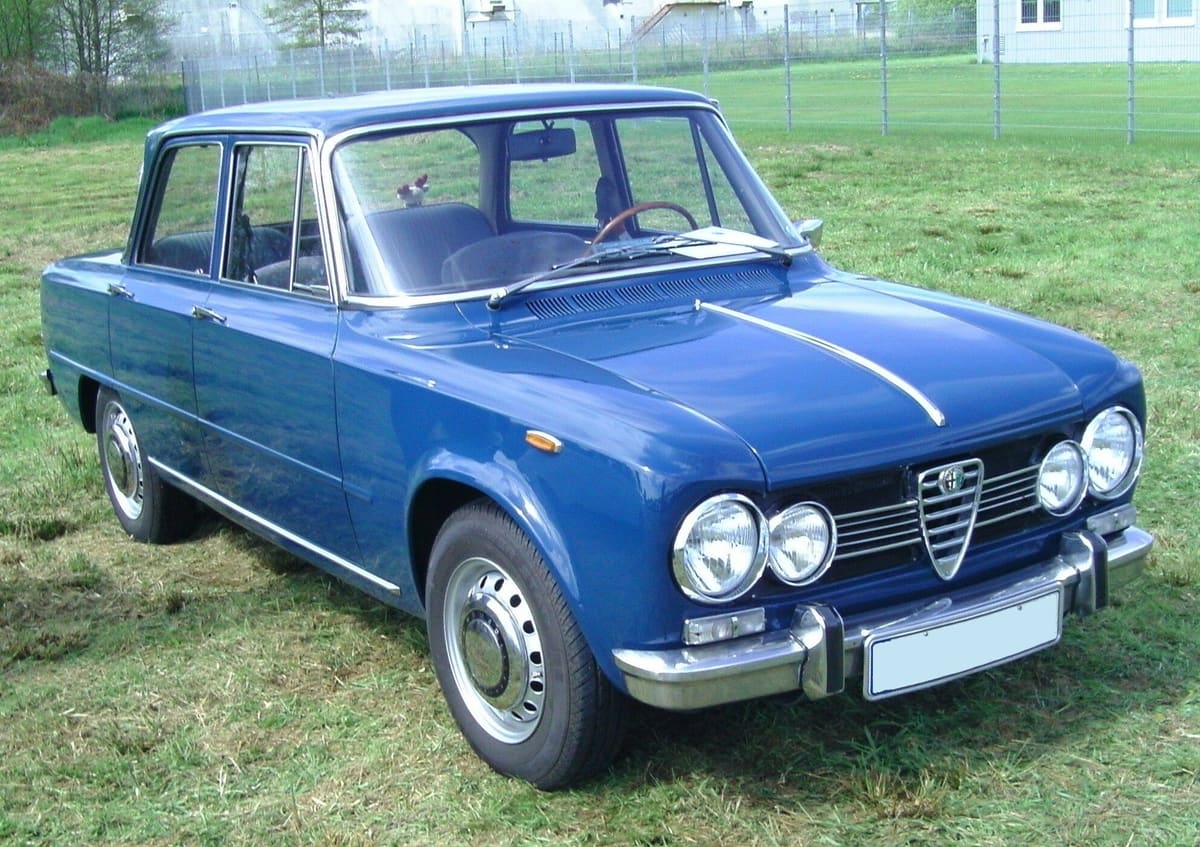
The Alfa Romeo Giulia is a stylish and dynamic saloon, but it is not without its issues. Common problems include electrical faults, drivetrain concerns, and suspension wear. Understanding these potential pitfalls can help prospective buyers make informed decisions and maintain their vehicles effectively.
Electrical Issues
Electrical problems are among the most frequently reported issues with the Alfa Romeo Giulia. Owners have noted problems with the infotainment system, including connectivity issues and software glitches. Additionally, dashboard warning lights may illuminate unexpectedly, indicating faults that may not always correspond to actual issues.
The Giulia’s complex electrical architecture can lead to intermittent faults, particularly with sensors and control modules. These issues can sometimes be resolved with software updates, but persistent problems may require professional diagnostics. Regularly checking for updates and ensuring all systems are functioning correctly can help mitigate these concerns.
Drivetrain Concerns
Drivetrain issues, particularly with the automatic transmission, have been reported by some Giulia owners. Problems can manifest as rough shifting, hesitation during acceleration, or even complete transmission failure in severe cases. While these issues are not universal, they can be costly to repair if they arise.
Regular maintenance, including fluid changes and software updates, is essential for the longevity of the transmission. Owners should also pay attention to any unusual noises or performance changes, as these could indicate underlying problems that need addressing. Keeping an eye on the vehicle’s performance can help catch issues early.
Suspension Wear
The suspension system of the Alfa Romeo Giulia is designed for sporty handling, but this can lead to accelerated wear on components, especially if the vehicle is frequently driven on rough roads. Common issues include worn bushings, shock absorbers, and springs, which can affect ride quality and handling.
Drivers may notice a decrease in comfort or an increase in road noise as these components wear out. Regular inspections and timely replacements of worn parts can help maintain the vehicle’s performance. It is advisable to have the suspension checked during routine servicing, particularly if the car is used for spirited driving.
Brake System Problems
The braking system in the Giulia has also been a point of concern for some owners. Issues can range from premature wear of brake pads and discs to problems with the electronic parking brake. While the braking system generally performs well, it is crucial to monitor its condition to ensure safety.
Regular checks of brake components and timely replacements can prevent more serious issues from developing. If drivers experience unusual noises or a decrease in braking performance, it is essential to have the system inspected promptly. Maintaining the braking system is vital for both safety and performance.
Engine Reliability
While the engines in the Alfa Romeo Giulia are generally well-regarded for their performance, some owners have reported issues related to oil consumption and overheating. These concerns can arise from various factors, including faulty sensors or inadequate cooling systems.
Monitoring oil levels regularly and addressing any leaks or consumption issues promptly can help prevent engine damage. Additionally, ensuring the cooling system is functioning correctly is vital for engine longevity. Regular servicing and adherence to recommended maintenance schedules can mitigate many of these concerns.
Interior Quality and Comfort
Some owners have expressed dissatisfaction with the interior quality of the Giulia, citing issues with materials and fit and finish. While the design is often praised, there have been reports of rattles and squeaks over time, which can detract from the overall driving experience.
Regular cleaning and care of the interior can help maintain its appearance and comfort. If issues arise, addressing them early can prevent further deterioration. While the Giulia offers a stylish cabin, attention to detail in maintenance is essential for preserving its appeal.
Alfa Romeo Giulia recall record
12 recalls have been issued for the Alfa Romeo Giulia, between 2018 and 2026.
Alfa Romeo Giulia cable (wiring harness) branch
R/2026/026Issued 13 February 2026
On affected vehicles due to a production nonconformity the wiring harness leading to the headlamp ECU could become damaged by tyre interference with the wheel arch liner which could result in error messages being displayed and a loss of headlamp low beam functionality.
Remedy:Inspect wiring harness and wheel arch liner for damage and repair or replace as necessary.
Affects cars built Jan 2024 to Dec 2024
Alfa Romeo Giulia and Stelvio. Lane Keep Assist acoustic signal
R/2025/496Issued 7 May 2025
Vehicle reliability and your safety are a major concern for Alfa Romeo. On a number of Alfa Romeo Giulia and Stelvio vehicles there is a requirement to update the software of the Instrument Panel Cluster. This is required to ensure that the acoustic emergency signal sounds after the Lane Keep Assist system is deactivated and ensure it complies with the regulatory requirements.
Remedy:The free of charge repair is the Alfa Romeo retailer will update the vehicle software. Alfa Romeo ref: F538.
Affects cars built Jan 2024 to Jul 2025
Affected vehicles equipped with the option BRM (carbon ceramic matrix brakes) may face a braking management issue due to unexpected control unit signals. This may potentially lead to a carbon ceramic disc rupture with a resultant risk of loss or degradation of braking performance.
R/2023/205Issued 11 July 2023
Affected vehicles equipped with the option BRM (carbon ceramic matrix brakes) may face a braking management issue due to unexpected control unit signals. This may potentially lead to a carbon ceramic disc rupture with a resultant risk of loss or degradation of braking performance.
Remedy:Reprogramme the BSM (Braking System Module) with updated Software.
Affects cars built Dec 2015 to Nov 2020
THE AUTOMATIC HEADLIGHT POSITION SENSORS MAY NOT HAVE BEEN CALIBRATED
R/2022/215Issued 9 September 2022
The automatic headlight position sensors may not have been calibrated and therefore the function does not comply with the requirements of ECE R48
Remedy:Recalibration of the automatic headlight position sensors and alignment of the headlights.
Affects cars built Nov 2020 to May 2022
8 older recalls not shown.
A recall applies to a build range, not to every car of this model. Check a registration to see whether one specific vehicle has an outstanding recall.
Alfa Romeo Giulia MOT record
From 7,114 recorded MOT tests, 12.4% failed.
| Registered | Tests | Failed | Median mileage |
|---|---|---|---|
| 2022 | 812 | 12.6% | 23,052 mi |
| 2021 | 656 | 12.0% | 28,384 mi |
| 2020 | 770 | 9.6% | 35,650 mi |
| 2019 | 1,439 | 11.5% | 43,326 mi |
| 2018 | 1,541 | 12.4% | 56,459 mi |
| 2017 | 1,896 | 14.1% | 62,319 mi |
Most common reasons for failure
- Tyre tread depth not in accordance with the requirements41.6%
- a brake lining or pad worn below 1.5mm16.1%
- Brake disc or drum excessively weakened, insecure or fractured15.2%
- A tyre seriously damaged13.8%
- A tyre cords visible or damaged13.3%
Figures cover every Alfa Romeo Giulia tested in the DVSA dataset, not this specific car. Check a registration for the actual history of one vehicle.
Alfa Romeo Giulia official figures
Median across 2 variants on sale, petrol.
- Combined economy
- 38.3 mpg
- WLTP median across variants
- CO2 emissions
- 167 g/km
- Sets the first-year tax rate
Official figures for new cars. Real economy varies with driving, load and conditions.
Frequently asked questions
What are the most common issues with the Alfa Romeo Giulia?
Common issues with the Alfa Romeo Giulia include electrical problems, issues with the infotainment system, and occasional gearbox malfunctions. Some owners have also reported problems with the suspension and brakes.
How reliable is the Alfa Romeo Giulia?
The Alfa Romeo Giulia has received mixed reviews regarding reliability. While some owners enjoy trouble-free driving, others have experienced recurring issues that can affect overall dependability.
Are there any known engine problems with the Alfa Romeo Giulia?
Some Alfa Romeo Giulia models have reported engine-related issues, particularly with oil consumption and turbocharger performance. Regular maintenance can help mitigate these problems.
What should I check before buying a used Alfa Romeo Giulia?
Before purchasing a used Alfa Romeo Giulia, check the service history, look for signs of wear and tear, and ensure all electrical components are functioning properly. A thorough inspection by a qualified mechanic is also advisable.
Is the Alfa Romeo Giulia expensive to maintain?
Maintenance costs for the Alfa Romeo Giulia can be higher than average, particularly for parts and servicing. It's important to factor in these costs when considering ownership.
How does the Alfa Romeo Giulia perform in winter conditions?
The Alfa Romeo Giulia can struggle in winter conditions due to its rear-wheel-drive layout, which may affect traction. Fitting winter tyres can improve performance in snowy or icy conditions.
What are the signs of a failing gearbox in the Alfa Romeo Giulia?
Signs of a failing gearbox in the Alfa Romeo Giulia include difficulty shifting gears, unusual noises during gear changes, and warning lights on the dashboard. If you notice these symptoms, it's best to have the vehicle inspected.
What year to avoid Alfa Romeo Giulia?
Some owners suggest being cautious with earlier models, particularly those from the first production years, as they may have more reported issues. It's advisable to research specific model years and check for any recalls or common problems before making a purchase.
How long will the Alfa Romeo Giulia engine last?
With proper maintenance, most Alfa Romeo Giulias can last 150,000 to 200,000 miles or more. Some well-maintained examples have exceeded 250,000 miles, highlighting the importance of regular servicing and timely repairs.
Sources
- DVSA anonymised MOT tests and results (Open Government Licence v3.0)
- VCA new car fuel consumption and emissions data (Open Government Licence v3.0)
- DVSA vehicle safety recalls (Open Government Licence v3.0)